


Effects of Regulator Wear on Door Mechanisms
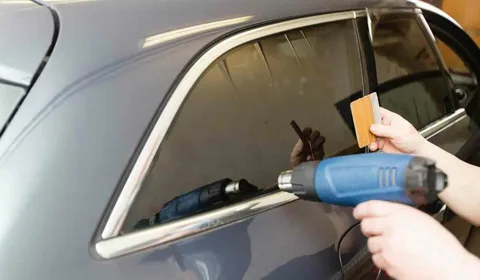
The automotive landscape in Huntersville, North Carolina, presents a unique environment for vehicle components. From the humid summers near Lake Norman to the fluctuating temperatures of the Piedmont region, your car power window system is under constant environmental and mechanical stress. The window regulator, a complex assembly of cables, gears, and a motor, is the heart of this system. When this component begins to fail, it often follows specific patterns that alert the driver to an impending breakdown. Understanding these failure patterns is the first step in ensuring that you are not left with a window that refuses to close during a sudden North Carolina rainstorm.
Mechanical Cable Fraying and Internal Snapping
One of the most frequent failure patterns observed in modern vehicles involves the steel aircraft cables that guide the window glass. These cables are wound around a plastic drum and run through various pulleys. Over years of use in the variable climate of the Huntersville area, the protective lubricant on these cables can dry out or become contaminated with road grit. This leads to friction that slowly frays the metal strands of the cable. As the cable weakens, it begins to stretch, which changes the timing and tension of the window movement.
When a cable frays, it can jump off its track or become tangled in the motor gears. Drivers often experience this as a crunching or grinding sound when they attempt to move the window. If the cable snaps entirely, the window glass will lose all support and typically fall into the door frame. This is a critical failure that poses both a security risk and an exposure risk to your car interior. Professional window regulators service in Huntersville, NC is required to replace the entire regulator assembly, as these cables are rarely repairable on their own. Once a cable has snapped, the motor may still run, but the glass will remain stationary or fall to the bottom of the door cavity.
Plastic Component Fatigue and Structural Cracking
To reduce vehicle weight and lower manufacturing costs, many automotive companies use high density plastic for the clips, guides, and pulleys within the window regulator. While efficient, these plastic parts are susceptible to fatigue over long periods of time. The intense heat trapped inside a car door during a typical North Carolina summer can reach temperatures well above one hundred degrees. This heat makes the plastic components brittle. When you combine this brittleness with the mechanical force required to lift a heavy glass pane, the plastic can eventually crack or shatter under the pressure.
A common sign of this failure pattern is a window that moves unevenly or appears to tilt as it rises toward the top of the frame. If one of the mounting clips breaks, the glass may remain attached on only one side, causing it to jam in the tracks. This puts immense strain on the window motor, which may eventually burn out if the driver continues to press the switch in an attempt to force the window up. Catching this early prevents a simple mechanical repair from turning into a more expensive electrical failure. In many cases, the plastic pulleys will develop flat spots before they break, causing the window to stutter or vibrate as it travels.
Motor Gear Stripping and Electrical Overload
The motor that powers the regulator is equipped with a small gear that interfaces with the regulator assembly. These gears are often made of nylon or soft metal. Over time, the teeth on these gears can wear down or strip entirely. This is especially common in vehicles where the window tracks have become sticky or dirty, forcing the motor to apply more torque than it was designed to handle. When the gears strip, you may hear a high pitched whirring sound, but the window will not move.
Electrical failure is another pattern that emerges from mechanical stress. If the regulator is binding, the motor must draw more current to move the glass. This excess current generates heat within the motor windings, which can eventually melt the insulation and cause a short circuit. Drivers might notice a burning smell inside the door or find that the window only works when the door is slammed or the motor is cold. This pattern suggests that the electrical system is failing due to the physical resistance of a worn out regulator.
Alignment Shifts and Track Obstructions
Sometimes the failure is not in the regulator itself but in how it aligns with the door frame. Over thousands of miles of driving on local Huntersville roads, the constant vibration can loosen the mounting bolts that hold the regulator in place. If the regulator shifts even a few millimeters, the geometry of the window travel is altered. This causes the glass to press harder against one side of the weatherstripping, leading to accelerated wear on the motor and the regulator cables.
Obstructions within the tracks are also a common contributor to regulator failure. Leaves, pine needles, and road salt can find their way into the window channels. These materials act as a brake on the window glass. The regulator is forced to pull against this resistance, which leads to the fraying and cracking mentioned previously. A professional service includes cleaning these tracks and ensuring that the regulator is perfectly level, which prevents the mechanical stress that leads to total system failure. By addressing alignment and debris, you can significantly extend the life of the new components.
The Role of Preventive Maintenance in Longevity
While window regulators are often viewed as parts that simply work until they dont, preventive care can change that outcome. Periodically lubricating the window channels with a silicone spray can reduce the friction the regulator must overcome. This simple act reduces the load on the motor and the tension on the cables. Additionally, keeping the window glass clean prevents dirt from being dragged into the internal mechanisms where it can cause abrasive wear.
If you notice any change in the sound or speed of your windows, it is a sign that the failure pattern has begun. Addressing the issue while the window is still functional is much easier than dealing with a window that is stuck open in a parking lot. Professional technicians in Huntersville can perform a diagnostic check to see which part of the system is failing, allowing for a targeted repair that restores the convenience and security of your power windows.

 English
 Arabic
 French
 Spanish
 Portuguese
 Deutsch
 Turkish
 Dutch
Dutch
 Italiano
 Russian
 Romaian
 Greek
Greek
