


How Salvage Operations Shape the Afterlife of Vehicles
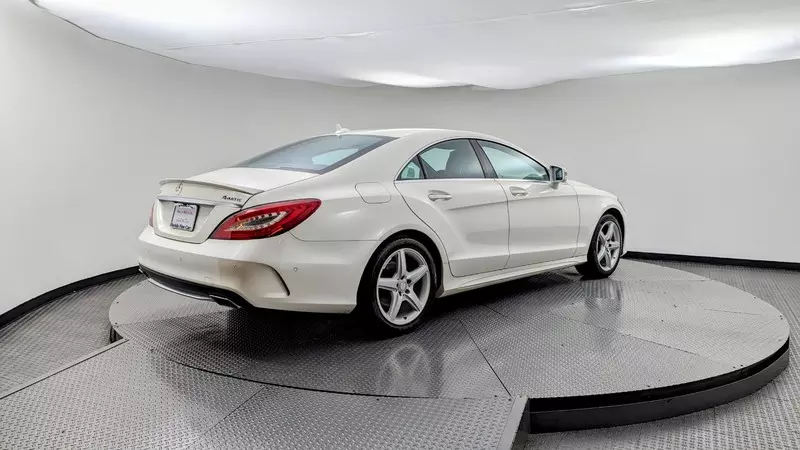
Every vehicle reaches a point where it can no longer stay on the road. Age, accidents, flood damage, or major mechanical failure can bring its driving life to an end. Many people think this is the final chapter for a car. In reality, it is the start of a new phase.
Salvage operations play a major role in shaping what happens next. Across Australia, thousands of end of life vehicles move through salvage yards each year. These yards recover parts, recycle metal, and handle harmful materials with care. This process gives vehicles a second purpose.
The afterlife of a vehicle is not about scrap alone. It is about reuse, recycling, and reducing waste.
https://www.melbournecashforcarz.com.au/
The Scale of End of Life Vehicles in Australia
Australia has more than 20 million registered vehicles. Each year, a large number of these cars are removed from the road. Many are written off by insurers after crashes. Others become too costly to repair.
Industry data shows that up to 90 per cent of a vehicle can be recycled or reused. This includes steel, aluminium, copper, plastic, glass, and rubber. Such high recovery rates make salvage operations an important part of the automotive cycle.
Without organised salvage systems, these vehicles would add large volumes of waste to landfill. Instead, they enter a structured process that recovers usable materials.
The First Stage: Inspection and Depollution
When a vehicle arrives at a salvage yard, it does not go straight to crushing. The first step is inspection. Staff record details such as make, model, and condition. This helps track parts and meet legal rules.
The next step is depollution. Vehicles contain fluids that can harm soil and water. These include engine oil, coolant, brake fluid, transmission fluid, and fuel. Trained workers drain these liquids using specialised tools.
Car batteries are removed early in the process. Lead acid batteries contain lead and sulphuric acid, which require careful handling. Tyres are also taken off and sent for recycling or reuse.
This stage protects the environment and prepares the vehicle for dismantling.
Dismantling and Parts Recovery
After depollution, dismantling begins. This stage shapes the afterlife of the vehicle in a direct way.
Skilled workers remove parts that are still in working condition. Engines, gearboxes, alternators, radiators, and starter motors are common items. Body panels, doors, mirrors, and lights are also removed if they are not damaged.
Each part is checked before resale. Usable components are cleaned and stored. These parts are then sold to workshops and car owners who need replacements.
The demand for used parts remains steady in Australia. Many vehicles on the road are more than ten years old. Owners often seek second hand parts to keep repair costs within reason. Salvage yards supply these components and extend the life of other vehicles.
Metal Recycling and Resource Recovery
Once usable parts are removed, the remaining shell still holds strong material worth. Cars are mainly built from steel. Steel is one of the most recycled materials in the world.
Recycling steel uses far less energy than producing it from iron ore. This reduces greenhouse gas emissions and lowers the demand for mining. Aluminium, found in engine blocks and wheels, is also highly recyclable. Recycling aluminium saves significant energy compared to producing it from raw bauxite.
Copper wiring is recovered and reused in electrical products. Even small amounts of copper have strong demand in the market.
By sending crushed vehicle shells to metal processors, salvage operations return raw materials to the manufacturing sector. This reduces waste and supports local industry.
Supporting the Repair Industry
Salvage yards support mechanics and repair workshops across the country. Used parts provide an option for older vehicles where new parts may be expensive or hard to find.
Insurance companies also rely on salvage operations. When a car is written off, it may still contain parts that hold resale worth. Recovering and selling these parts helps offset some of the loss.
The repair industry depends on a steady flow of components. Salvage operations ensure that this supply continues.
Environmental Protection and Compliance
Modern salvage yards operate under environmental rules set by state authorities. These rules cover fluid removal, waste storage, and disposal methods.
Fluids are stored in sealed containers. Batteries are sent to licensed recycling facilities. Air conditioning gases are removed using approved equipment to prevent release into the atmosphere.
Such practices reduce pollution risks. They also help Australia move towards stronger recycling targets and lower landfill rates.
The afterlife of a vehicle is shaped by these environmental steps. A well managed salvage process turns a potential waste problem into a resource stream.
The Role of Technology in Salvage Operations
Technology has improved how salvage yards manage vehicles and parts. Computer systems track inventory and record which parts are available. This reduces confusion and helps match buyers with the right components.
Heavy machinery such as forklifts and hydraulic tools make dismantling safer and more organised. Magnetic systems separate steel from other metals during processing.
As electric vehicles become more common, salvage yards are adapting. These cars contain lithium based batteries and specialised components. Handling such systems requires training and care.
Technology continues to shape how vehicles move through their afterlife.
Connecting Vehicle Owners to the Salvage Network
For many owners, a damaged or non running car becomes a burden. It may sit unused at home while repair costs rise beyond its market worth.
Services such as Melbourne Cash for Carz connect vehicle owners with salvage operations. By purchasing unwanted vehicles and directing them into the dismantling and recycling system, they help ensure that usable parts and materials are recovered. This approach also supports businesses that promote We Buy Cars Melbourne, linking sellers with buyers who understand the recycling and parts potential of end of life vehicles. Through this process, a car that no longer drives still finds purpose within the wider industry.
Economic Impact of Salvage Operations
Salvage operations support jobs in dismantling, transport, metal processing, and parts sales. They also reduce reliance on imported raw materials by reusing metals already in circulation within Australia.
The industry forms part of the circular economy. Materials remain in use for longer, and fewer resources are wasted. This supports both environmental goals and local employment.
Each vehicle that enters a salvage yard moves through a chain of activity that involves many workers and businesses.
The Continuing Cycle
The afterlife of a vehicle is not random. It follows a clear path. Inspection leads to depollution. Depollution leads to dismantling. Dismantling leads to parts resale and metal recycling.
This cycle repeats thousands of times each year. As long as vehicles are built and driven, there will be a need for salvage operations.
Older vehicles supply parts for other cars. Metal from crushed shells becomes raw material for new products. Even rubber and glass find new uses through recycling.
Final Thoughts
Salvage operations shape the afterlife of vehicles in practical and measurable ways. They recover usable parts. They recycle metal and reduce waste. They protect the environment through careful handling of fluids and hazardous materials.
In Australia, millions of vehicles will eventually reach the end of their road life. Through organised salvage systems, these cars do not simply disappear. They enter a new phase where their materials and components continue to serve a purpose.

 English
 Arabic
 French
 Spanish
 Portuguese
 Turkish
 Dutch
Dutch
 Italiano
 Russian
 Romaian
 Portuguese (Brazil)
 Greek
Greek
