


Agriculture Software Trends Driving Efficiency and Transparency
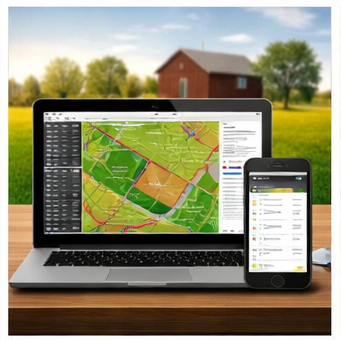
Farm Management Software: Driving the Next Phase of Digital Agriculture
The agriculture sector is undergoing a rapid digital transformation as farmers and agribusinesses adopt technology to improve productivity, sustainability, and profitability. At the center of this shift is farm management software, which has evolved from basic record-keeping tools into comprehensive digital platforms that support data-driven decision-making across the entire farm lifecycle. From smallholder farms to large commercial operations, digital tools are becoming essential rather than optional.
Key Trends Shaping Modern Farm Management Software
One of the most prominent trends is the integration of advanced data analytics and artificial intelligence into agricultural software. Modern platforms now process large volumes of data collected from soil sensors, weather stations, drones, and satellite imagery. These insights allow farmers to optimize planting schedules, irrigation, fertilization, and harvesting with far greater precision. Predictive analytics is also gaining traction, enabling users to anticipate yield outcomes, pest outbreaks, and climate-related risks before they escalate.
Another major trend is the growing adoption of cloud-based agriculture software solutions. Cloud deployment reduces upfront infrastructure costs, allows real-time data access from any location, and enables seamless updates. Mobile compatibility has further accelerated adoption, as farmers increasingly rely on smartphones and tablets to manage operations in the field. This mobility ensures faster responses to changing conditions and improves coordination across farm teams.
Interoperability is also becoming a critical focus. Today’s agricultural software is designed to integrate with machinery, IoT devices, and third-party platforms such as supply chain systems and financial tools. This connected ecosystem helps eliminate data silos and provides a unified view of farm operations, from input procurement to crop sales.
Sustainability and Compliance as Core Software Functions
Sustainability is no longer a niche concern; it is a central requirement shaping the development of farm management software. Governments, consumers, and food processors are demanding greater transparency in how crops are grown and resources are used. In response, software platforms now include features for tracking water usage, fertilizer application, carbon emissions, and soil health.
These capabilities support compliance with environmental regulations and certification standards while also helping farmers reduce waste and input costs. Precision agriculture tools embedded within agriculture software solutions enable variable-rate application of inputs, ensuring resources are applied only where needed. This not only improves yields but also aligns farming practices with long-term environmental goals.
Market Growth and Commercial Momentum
The rapid evolution of agricultural software is reflected in its strong market outlook. According to Grand View Research, the global farm management software market size is projected to reach USD 10.58 billion by 2030, growing at a CAGR of 17.3% from 2025 to 2030. This growth is driven by rising global food demand, labor shortages, climate variability, and increasing awareness of digital farming benefits across both developed and emerging economies.
This projection highlights how farms are transitioning from intuition-based management to evidence-based operations. As digital literacy improves in rural areas and governments promote smart agriculture initiatives, adoption of farm management software is expected to accelerate further.
Integrated Summary of Market Outlook
Recent research indicates that the farm management software sector is on a strong growth trajectory, supported by double-digit annual expansion through the end of the decade. The projected valuation of over USD 10 billion by 2030 underscores the increasing reliance on digital platforms to manage complex agricultural operations efficiently. This growth reflects not only technological advancement but also a structural shift in how farms operate, invest, and compete in a globalized food system.
The Future of Agricultural Software
Looking ahead, agriculture software solutions are expected to become even more intelligent and user-centric. Developments in machine learning, automation, and real-time analytics will further enhance decision support capabilities. As farms face mounting pressure to produce more with fewer resources, agricultural software will play a critical role in balancing productivity with sustainability.
In essence, farm management software is no longer just a support tool—it is a strategic asset. By enabling smarter decisions, improving operational visibility, and supporting sustainable practices, these platforms are redefining modern agriculture and setting the foundation for resilient food systems worldwide.

 Arabic
 French
 Spanish
 Portuguese
 Deutsch
 Turkish
 Dutch
Dutch
 Italiano
 Russian
 Romaian
 Portuguese (Brazil)
 Greek
Greek
