


EV Bus Innovations That Are Reshaping Fleet Management Strategies
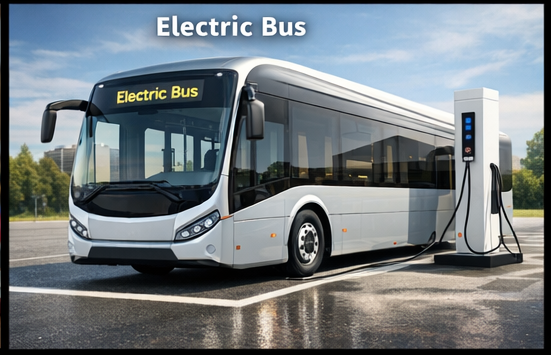
The global shift toward cleaner mobility has accelerated the adoption of the electric bus, positioning it as a cornerstone of modern public transportation systems. Cities, school districts, and transit authorities are increasingly prioritizing electrification to reduce emissions, lower operating costs, and meet long-term sustainability goals. As battery technology matures and charging infrastructure expands, electric buses are moving from pilot projects to large-scale deployments worldwide.
Urban Mobility and the Rise of the Electric City Bus
One of the most visible trends is the rapid adoption of the electric city bus in urban transit fleets. Congested cities face mounting pressure to improve air quality while maintaining efficient mass transport. Electric buses offer zero tailpipe emissions, quieter operation, and smoother acceleration, which enhances both environmental outcomes and passenger experience. Many municipalities are pairing electric city buses with smart traffic systems and dedicated bus lanes to maximize route efficiency and energy utilization.
At the same time, advancements in fast-charging and opportunity-charging technologies are addressing earlier concerns about range and downtime. Modern electric buses can now operate for a full day on a single charge or recharge quickly at terminals, making them viable replacements for diesel buses even on high-frequency routes.
Technology Advancements Shaping the EV Bus Ecosystem
The broader ev bus ecosystem is benefiting from continuous innovation across batteries, power electronics, and vehicle software. Lithium-ion battery energy density has improved significantly, enabling longer driving ranges without proportionally increasing vehicle weight. Thermal management systems are also more advanced, helping maintain performance in extreme climates.
Digitalization is another key trend. Fleet operators are increasingly using telematics and predictive maintenance software to monitor battery health, optimize charging schedules, and reduce total cost of ownership. These technologies are particularly important as fleets scale up from dozens to hundreds of electric buses, where operational efficiency becomes critical.
Electrifying Student Transportation and Regional Routes
Beyond city transit, the electric school bus segment is gaining strong momentum. School districts are drawn to electric school buses not only for their environmental benefits but also for their positive impact on student health. Eliminating diesel exhaust exposure around schools and neighborhoods has become a compelling driver for adoption, especially in regions with strict air quality standards.
Government incentives and funding programs are playing a major role here, helping offset higher upfront costs and encouraging fleet turnover. In parallel, manufacturers are designing electric school buses with bidirectional charging capabilities, allowing them to act as mobile energy storage assets during off-hours. This vehicle-to-grid potential is emerging as a strategic advantage, particularly for communities with growing renewable energy penetration.
Market Outlook and Strategic Implications
While adoption is accelerating, challenges remain. Charging infrastructure deployment, grid capacity planning, and supply chain stability are critical factors that will influence the pace of growth. However, the overall trajectory remains strongly positive. The integration of renewable energy with electric bus charging, combined with falling battery costs, is expected to further strengthen the business case over the coming years.
In this context, market projections highlight the scale of opportunity ahead. The global electric bus market size is projected to reach USD 110.44 billion by 2030, growing at a CAGR of 12.1% from 2024 to 2030, according to Grand View Research. This outlook reflects rising government mandates, urbanization trends, and sustained investment in clean transportation infrastructure.
As electric buses become more standardized and economically competitive, they are set to redefine public and institutional transport. From the electric city bus reshaping urban mobility to the electric school bus improving community health outcomes, the evolution of the electric bus is no longer a future concept—it is an active transformation underway.

 Arabic
 French
 Spanish
 Portuguese
 Deutsch
 Turkish
 Dutch
Dutch
 Italiano
 Russian
 Romaian
 Portuguese (Brazil)
 Greek
Greek
