


Maintenance, Repair and Operations (MRO) Market Size and Forecast 2025–2033
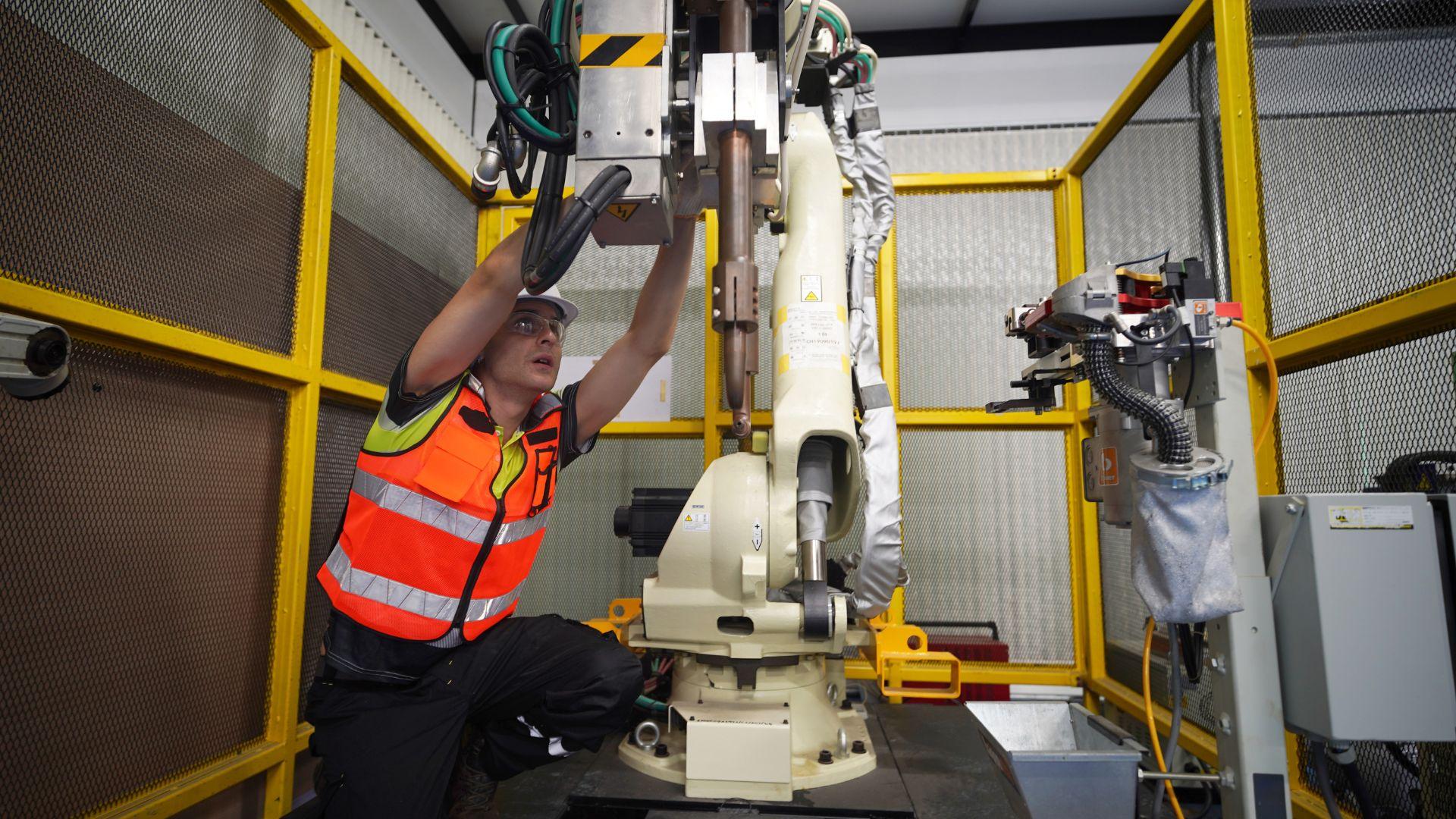
Maintenance, Repair and Operations (MRO) Market Size and Forecast 2025–2033: Asset Longevity and Operational Efficiency Drive Steady Global Growth
The global Maintenance, Repair and Operations (MRO) market is gaining renewed strategic importance as industries worldwide focus on extending asset lifecycles, improving operational efficiency, and meeting sustainability and safety goals. According to Renub Research, the Maintenance, Repair and Operations Market is projected to grow from US$ 432.56 billion in 2024 to US$ 543.06 billion by 2033, expanding at a compound annual growth rate (CAGR) of 2.56% from 2025 to 2033.
While the growth rate may appear modest compared to high-tech sectors, the scale and resilience of the MRO market underscore its critical role in global industrial activity. From manufacturing plants and transportation networks to aviation fleets and energy infrastructure, MRO services are indispensable for ensuring reliability, minimizing downtime, and supporting sustainable operations. As organizations increasingly recognize maintenance as a value-creating function rather than a cost center, the MRO market is steadily evolving in scope and sophistication.
Global Maintenance, Repair and Operations Industry Overview
The Maintenance, Repair and Operations market encompasses the procurement, management, and utilization of spare parts, tools, consumables, and services required to keep equipment, facilities, and infrastructure operating efficiently. MRO activities play a central role in preventing unexpected failures, optimizing inventory, and reducing operational disruptions across industries.
In recent years, the integration of predictive maintenance technologies, data analytics, and digital asset management platforms has significantly enhanced the effectiveness of MRO operations. By enabling real-time monitoring and early detection of potential failures, these technologies help extend asset life, reduce repair costs, and improve safety outcomes.
Industries such as manufacturing, aerospace, automotive, energy, and transportation form the backbone of MRO demand. As automation and advanced machinery become more prevalent, the need for specialized maintenance services continues to grow. In September 2024, Dassault Aviation announced the establishment of Dassault Aviation MRO India (DAMROI) in Noida, highlighting how governments and corporations are strengthening localized MRO capabilities as part of long-term industrial strategies.
Strict regulatory requirements related to safety, environmental compliance, and operational reliability further reinforce the importance of MRO services. At the same time, aging infrastructure and the high cost of asset replacement are pushing organizations to prioritize maintenance and refurbishment over new capital expenditure, supporting sustained market demand.
Download Free Sample Report:https://www.renub.com/request-sample-page.php?gturl=maintenance-repair-operations-mro-market-p.php
Market Size and Forecast (Renub Research)
Renub Research estimates that the global MRO market will reach US$ 543.06 billion by 2033, up from US$ 432.56 billion in 2024. The projected CAGR of 2.56% reflects stable and consistent growth driven by long-term structural factors rather than cyclical trends.
The forecast highlights the essential nature of MRO activities across economies, regardless of market conditions. As businesses seek to maximize returns on existing assets and reduce operational risks, investments in maintenance, repair, and operational support are expected to remain a priority well into the next decade.
Key Factors Driving the Maintenance, Repair and Operations Market Growth
Infrastructure and Equipment Aging
One of the most significant drivers of the global MRO market is the aging of infrastructure, machinery, and transportation assets. Across manufacturing plants, commercial buildings, utilities, and transportation networks, much of the installed equipment has exceeded or is approaching its original design life.
As assets age, they require more frequent inspections, repairs, part replacements, and performance upgrades to maintain safety and efficiency standards. In capital-intensive industries such as aerospace, utilities, and heavy manufacturing, replacing entire systems is often prohibitively expensive. As a result, organizations increasingly focus on extending asset lifecycles through preventive and corrective maintenance.
This trend ensures long-term demand for MRO services, spare parts, and technical expertise, making aging infrastructure a foundational growth driver for the global MRO market.
Growth of Industry and Manufacturing
The continued expansion of industrial and manufacturing activity, particularly in Asia-Pacific, Latin America, and parts of Africa, is another major contributor to MRO market growth. As production capacity increases, so does the volume and complexity of machinery, tools, and operational assets that require maintenance.
Modern manufacturing environments rely on highly automated and interconnected systems. These systems demand regular calibration, software updates, and specialized repair services to prevent unplanned downtime. MRO services help ensure compliance with safety regulations while maintaining productivity and product quality.
As global manufacturing output grows, the demand for reliable and responsive MRO solutions is expected to expand in parallel, reinforcing the market’s long-term growth trajectory.
Focus on Cost Control and Operational Efficiency
In today’s competitive business environment, cost control and operational efficiency are top priorities for organizations across sectors. MRO plays a critical role in achieving these objectives by minimizing downtime, improving asset reliability, and reducing the total cost of ownership.
The adoption of predictive and preventive maintenance strategies—enabled by IoT sensors, real-time monitoring, and advanced analytics—allows companies to address issues before they escalate into costly failures. In addition, organizations are streamlining MRO procurement by consolidating suppliers, optimizing inventory levels, and leveraging digital platforms to improve sourcing efficiency.
Industries such as aerospace, energy, healthcare, and transportation are particularly dependent on effective MRO practices, as failures can have significant financial, safety, and regulatory consequences. As a result, investment in intelligent and proactive MRO solutions is increasingly viewed as a strategic necessity rather than an operational expense.
Challenges in the Maintenance, Repair and Operations Market
Supply Chain Complexity and Inventory Management
Managing the complex and fragmented MRO supply chain remains one of the market’s biggest challenges. Organizations often source thousands of components and consumables from multiple suppliers, leading to inefficiencies in procurement, inventory tracking, and delivery schedules.
Lack of standardization, limited real-time visibility, and outdated inventory systems can result in overstocking, stockouts, or delays in critical maintenance activities. The COVID-19 pandemic further exposed vulnerabilities in global supply chains, disrupting maintenance schedules and increasing costs.
To address these issues, companies are increasingly investing in digital supply chain solutions, centralized inventory management, and data-driven forecasting to improve responsiveness and cost control.
Skilled Labor Shortage and Knowledge Gaps
The global MRO industry faces a growing shortage of skilled technicians, engineers, and maintenance professionals, particularly in high-skill sectors such as aviation, energy, and advanced manufacturing. As experienced workers retire, the supply of adequately trained replacements has not kept pace.
At the same time, emerging technologies such as AI-driven diagnostics, automated systems, and predictive maintenance tools require new skill sets that traditional maintenance teams may lack. Inadequate training programs and poor documentation of legacy systems further compound the problem.
Without sufficient investment in workforce development and knowledge transfer, organizations risk longer repair times, reduced service quality, and increased operational risk.
Maintenance, Repair and Operations Market Overview by Regions
United States
The United States represents one of the largest and most technologically advanced MRO markets globally. Its extensive industrial base and critical sectors such as aerospace, automotive, energy, and healthcare drive consistent demand for high-quality MRO services.
The U.S. market is characterized by strong adoption of digital inventory management, predictive maintenance, and integrated supply chain solutions. Aging infrastructure and stringent safety and environmental regulations further support sustained investment in MRO. Companies are increasingly leveraging automation, analytics, and skilled labor to enhance productivity and competitiveness.
United Kingdom
The UK MRO market is mature and technologically sophisticated, serving industries including manufacturing, aerospace, defense, energy, and healthcare. Predictive maintenance, digital monitoring, and supply chain automation are widely adopted, with a growing emphasis on sustainability and asset reliability.
The aviation MRO sector remains a key contributor, supported by major hubs around London and Manchester. Post-Brexit trade adjustments have encouraged many firms to localize supply chains, while investments in digital tools and workforce skills continue to shape the market’s future.
India
India’s MRO market is experiencing robust growth driven by rapid industrialization, infrastructure expansion, and rising demand for equipment reliability. Government initiatives such as “Make in India” are encouraging the development of domestic MRO capabilities, particularly in aviation and manufacturing.
While challenges such as skilled labor shortages and fragmented supply chains persist, increasing adoption of automation and predictive maintenance technologies is modernizing the sector. As Indian industries scale up, demand for cost-effective and locally available MRO services is expected to grow steadily.
United Arab Emirates
The UAE has emerged as a prominent MRO hub in the Middle East, supported by world-class infrastructure and strong aviation, oil and gas, and industrial sectors. Dubai and Abu Dhabi are especially notable for aircraft maintenance, backed by major carriers and regional connectivity.
Government-led diversification efforts and investments in smart technologies are driving demand for industrial MRO services. Despite reliance on imported components and skilled labor constraints, sustained investment continues to support steady market growth.
Recent Developments in the MRO Industry
In April 2025, Triumph Group announced significant investments in aeronautical and marine repair infrastructure, allocating USD 44.5 million for ship MRO facilities and USD 33.8 million for a commercial aircraft repair campus in Pensacola.
In March 2025, AAR Corp. began construction of an MRO facility extension in Miami to enhance repair capabilities in a strategically important aviation hub.
In February 2025, Global Industrial Company completed the acquisition of Indoff LLC, reflecting ongoing consolidation trends within the MRO distribution landscape.
Market Segmentation Overview
The MRO market is segmented by provider into OEM and aftermarket services. By MRO type, it includes industrial MRO, electrical MRO, facility MRO, and others. Regionally, North America and Europe lead in technological adoption, while Asia-Pacific shows the fastest growth due to industrial expansion.
Key companies operating in the global market include AAR Corp., AFI KLM E&M, General Electric Company, Hong Kong Aircraft Engineering Company Limited, Lufthansa Technik, MTU Aero Engines AG, Rexel Group, Rolls-Royce plc, and SIA Engineering Company.
Final Thoughts
The global Maintenance, Repair and Operations market is set for steady and sustainable growth through 2033, underpinned by aging infrastructure, expanding industrial activity, and a growing focus on operational efficiency. With Renub Research projecting the market to reach US$ 543.06 billion by 2033, MRO will remain a cornerstone of global industrial reliability and performance.
Although challenges such as supply chain complexity and skilled labor shortages persist, advances in digital technologies, predictive maintenance, and workforce development offer meaningful solutions. Organizations that view MRO as a strategic investment—rather than a reactive necessity—will be best positioned to enhance asset longevity, reduce costs, and support long-term sustainability in an increasingly competitive global landscape.

 English
 Arabic
 French
 Spanish
 Portuguese
 Deutsch
 Turkish
 Dutch
Dutch
 Russian
 Romaian
 Portuguese (Brazil)
 Greek
Greek
