


How Modern Plastic Blow Molding Machines Reduce Waste and Boost Output
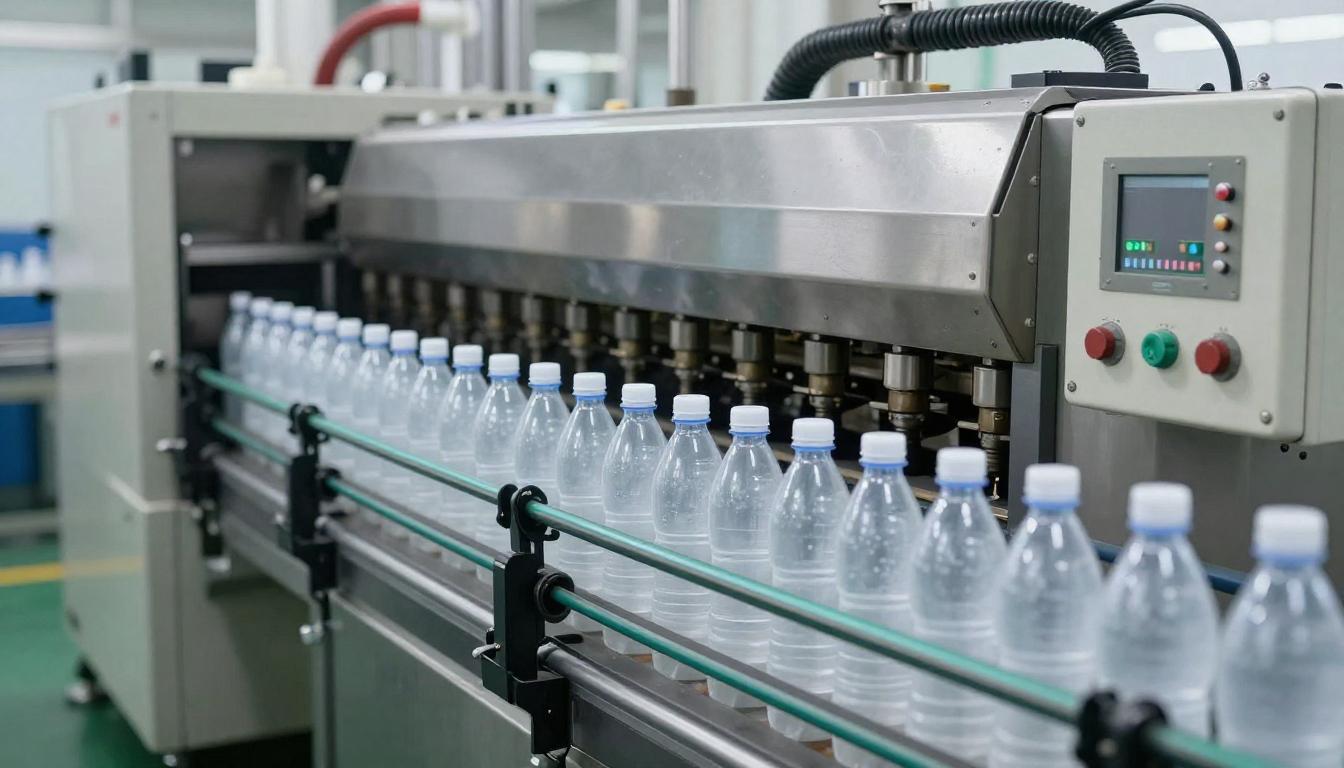
A modern plastic factory is built on movement. Heated barrels prepare material, molds open and close rhythmically, and finished containers land on conveyors with steady confidence. The entire operation depends on machines that can run for long hours without losing accuracy or wasting material. This is where modern Plastic Blow Molding Machines stand out. These machines turn raw plastic into bottles, containers, jars, and industrial packaging through a continuous process that saves material and improves daily output.
This article explains how modern systems reduce waste, increase efficiency, support long production hours, and keep quality stable. The focus stays on real factory behavior, not just technical descriptions, so you understand exactly how these machines perform inside the production environment.
The Main Function of Plastic Blow Molding Machines in Daily Production
Plastic blow molding machines produce hollow plastic items by shaping heated plastic. The operation starts when plastic pellets are fed into a heated chamber, where controlled heat softens them. A rotating screw then moves the melted material forward, preparing it for molding. Once molten, it forms a hollow tube known as the parison. The mold closes around this tube, air enters, and the material expands into the final shape.
This entire flow continues without stopping. The screw keeps turning, the parison keeps forming, and the molds keep opening and closing. This nonstop behavior is the foundation of higher output and minimal waste.
Factories prefer this method because it keeps production consistent. There are no long pauses, no repeated heat cycles, and no gaps in output. Every part of the system works together to maintain smooth production.
How Raw Material Flow Helps Reduce Waste
Material waste begins to drop as soon as the screw rotation becomes stable. Modern Plastic Blow Molding Machines keep the plastic melt smooth and uniform from the hopper to the die. When the melt is consistent, the parison thickness remains balanced. This prevents weak sections and over thick areas that would be trimmed or thrown away.
Operators monitor the melt temperature carefully. A small change in heat can alter the parison shape. With modern digital control panels, temperature adjustments happen instantly. This helps avoid unnecessary scrap during long production hours.
Many factories recycle trimmed pieces immediately by returning them into the feeding system. Modern machines handle recycled material more efficiently than older models, which also supports lower waste.
How Better Parison Control Improves Output
The parison is the center of the blow molding process. If it is too thin, the bottle becomes weak. If it is too thick, material is wasted. Modern Plastic Blow Molding Machines use sensors to monitor parison thickness in real time. These sensors help operators make small adjustments even while the line is running.
Better parison control leads to consistent wall thickness, fewer rejected containers, longer machine life, and higher production speed. Maintaining this balance is key to achieving better daily output with fewer raw material losses.
How Molding and Air Pressure Support Productivity
Once the mold closes around the parison, air enters and expands the plastic against the mold walls. Modern machines allow operators to control air pressure with precision. Stable pressure creates a strong container, prevents deformation, and reduces the chance of weak corners.
Consistent pressure also protects molds from stress. When molds close at the correct speed and pressure, the machine runs smoothly and avoids sudden breakdowns. Smooth mold behavior means a continuous flow of finished products without interruptions.
Cooling and Its Role in Waste Reduction
Cooling determines how quickly a product solidifies and becomes ready for removal. Modern cooling systems circulate water through mold channels to stabilize temperature. If cooling is even and consistent, the container keeps its shape. Uneven cooling can cause the product to warp, shrink, or lose its shape, resulting in waste.
Factories measure cooling water flow regularly. Digital flow meters help identify inconsistencies early. Faster cooling also increases output because molds open more often.
Better cooling means fewer rejected products, greater energy savings, and smoother long shifts.
How Automation Improves Overall Efficiency
Modern Plastic Blow Molding Machines include digital screens, real time monitoring, automated alarms, and quality control sensors. These features help factories maintain high output with lower operator effort.
Automation reduces waste through steady process control. For example, if the parison thickness begins to drift, the machine alerts the operator instantly. If air pressure dips or cooling slows, the system displays warnings. This prevents minor issues from turning into major waste or downtime.
Automation also improves scheduling. Machines can keep stable production during day and night shifts when operators vary in experience.
How Finished Products Leave the Machine With Minimal Waste
After cooling, the mold opens and the product drops onto a conveyor. Robotic arms, belt systems, or rotating collectors handle the containers with care. Gentle handling reduces dents, scratches, and damage that would otherwise lead to waste.
Trimming stations cut extra plastic around the neck or base. Modern trimming systems are precise and create minimal scrap. The trimmed plastic usually goes back into the system for reprocessing.
Factories gain higher output because the machine remains in a continuous cycle without manual delays.
Real Examples from Production Units
A factory producing edible oil bottles faced inconsistent weight in finished bottles. Operators discovered fluctuating melt temperature inside one heat zone. After balancing the temperature settings, bottle weights became consistent, and daily scrap dropped by a noticeable margin. This allowed the factory to ship larger orders without extending working hours.
Another plant producing detergent containers noticed a recurring dent near the shoulder area. The issue came from unstable air pressure during inflation. Technicians corrected the pressure timing, and the defect was eliminated. Productivity improved, and the plant reduced waste during night shifts.
These examples show how quick adjustments and real time data improve both waste control and productivity.
Did You Know
In a 2023 production study across multiple plastic factories, machines with automated parison control and real time monitoring reduced annual scrap rates by nearly twenty five percent. The biggest improvements came from better cooling management and consistent air pressure.
Comparison Between Older Blow Molding Systems and Modern Blow Molding Machines
| Area | Older Blow Molding Systems | Modern Plastic Blow Molding Machines |
|---|---|---|
| Parison Control | Manual adjustments that often lead to variation | Real time monitoring maintains uniform thickness |
| Cooling Performance | Slow cooling that increases cycle time | Fast and consistent cooling for higher output |
| Energy Use | Higher heating and longer cycles | Stable temperatures and efficient heat recovery |
| Waste Level | More rejected products due to imprecision | Reduced scrap due to smarter sensors and automation |
| Operator Involvement | Requires regular manual checks | Automated alerts allow operators to focus on key tasks |
This table highlights why modern machines deliver better quality and higher productivity compared to traditional systems.
Conclusion: Why Modern Plastic Blow Molding Machines Matter in Today’s Production
Modern Plastic Blow Molding Machines are built for speed, stability, and material efficiency. They reduce waste through better temperature control, balanced cooling, accurate parison management, and smooth mold operation. They increase output through continuous production, real time monitoring, and automated adjustments that keep the system running without interruptions.
These machines work like dependable engines on the factory floor. As long as operators maintain settings, monitor temperature, and respond to alerts, the machines create a steady flow of bottles and containers with minimal losses.
Factories that rely on high volume packaging depend on these machines to meet growing demand while keeping production costs low and quality high.
More specifics available at zepky.com

 English
 Arabic
 French
 Spanish
 Portuguese
 Deutsch
 Turkish
 Dutch
Dutch
 Italiano
 Russian
 Romaian
 Greek
Greek
