


Timing Belt Kits for Preventing Engine Failure in Modern Vehicles
Engine timing failure is one of the most expensive and disruptive problems faced by vehicle manufacturers, fleet operators, and industrial engine users. A single timing fault can shut down operations, damage internal components, and lead to major warranty claims. This is why timing belt kits have become a preferred solution for ensuring long-term engine reliability.
The Real Problem with Engine Timing Failures
Modern engines operate at tight tolerances. Even minor timing deviations can cause serious internal damage. Many failures occur not because the belt snaps suddenly, but because worn tensioners, pulleys, or misaligned components were left unchanged during maintenance.
Why Timing Errors Damage Modern Engines
When the camshaft and crankshaft fall out of sync:
-
Valves may collide with pistons
-
Engine compression drops
-
Fuel efficiency decreases
-
Complete engine seizure can occur
For interference engines, timing failure often means full engine rebuild or replacement.
What Are Timing Belt Kits?
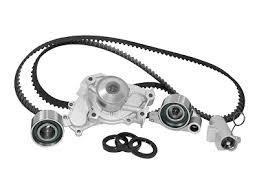
Timing belt kits are complete timing system solutions that include all critical components required for synchronized engine operation. Instead of replacing only the belt, the entire system is renewed at once.
Learn more about industrial-grade timing belt kits designed for reliability-focused applications.
Core Components Inside a Timing Belt Kit
A standard timing belt kit usually includes:
-
Timing belt
-
Tensioner
-
Idler pulleys
-
Bearings
-
Sometimes water pump (application-specific)
Each component is engineered to work together under the same load and lifecycle.
How Timing Belt Kits Work in Engine Systems
Timing belt kits maintain precise rotational synchronization between:
-
Crankshaft (power source)
-
Camshaft (valve control)
The belt transfers motion, while tensioners maintain optimal belt load. Pulleys guide movement and reduce vibration. When all components are replaced together, system balance is restored, reducing stress and wear.
Problems with Traditional Timing Belt Replacement
Older maintenance practices often focused only on belt replacement. This approach creates several risks:
-
Old tensioners fail before the new belt
-
Uneven wear causes misalignment
-
Noise and vibration increase
-
Unexpected downtime returns quickly
Partial replacement saves short-term cost but increases long-term failure risk.
How Timing Belt Kits Solve These Issues
Timing belt kits eliminate mismatched component lifecycles. All parts wear together and are replaced together, which:
-
Reduces premature failures
-
Improves load distribution
-
Extends service intervals
-
Enhances engine stability
This system-level approach aligns with modern manufacturing and reliability standards.
Key Features Manufacturers Look for in Timing Belt Kits
B2B buyers and engineers typically prioritize:
-
High tensile strength belts
-
Heat and oil resistance
-
Precision-machined pulleys
-
Low-friction, sealed bearings
-
OEM compatibility
Quality kits are tested for durability under real operating conditions.
Timing Belt Kits vs Individual Component Replacement
| Factor | Timing Belt Kits | Individual Parts |
|---|---|---|
| Reliability | High | Inconsistent |
| Installation Time | Faster | Longer |
| Failure Risk | Low | High |
| Lifecycle Match | Yes | No |
| Total Cost of Ownership | Lower | Higher |
The data clearly favors complete kits for industrial and commercial use.
Real-World Applications Across Industries
Timing belt kits are widely used in:
-
Automotive manufacturing
-
Commercial vehicle fleets
-
Industrial diesel engines
-
Agricultural machinery
-
Power generation systems
In these environments, reliability and uptime are non-negotiable.
Why Manufacturers and Engineers Prefer Timing Belt Kits
Manufacturers prefer timing belt kits because they:
-
Reduce warranty claims
-
Improve engine durability
-
Simplify maintenance schedules
-
Support predictive maintenance models
Engineers value the consistency and reduced variables during installation.
How to Choose the Right Timing Belt Kit
When selecting timing belt kits, consider:
-
Engine model and specifications
-
Operating environment (heat, load, speed)
-
OEM or equivalent quality standards
-
Supplier credibility and technical support
Choosing the wrong kit can compromise the entire engine system.
Conclusion
Timing belt kits are not just replacement parts—they are reliability solutions. By addressing the full timing system instead of individual components, manufacturers and engineers can prevent costly failures, reduce downtime, and extend engine life. For modern engines operating under high demands, timing belt kits are no longer optional—they are essential.

 English
 French
 Spanish
 Portuguese
 Deutsch
 Turkish
 Dutch
Dutch
 Italiano
 Russian
 Romaian
 Portuguese (Brazil)
 Greek
Greek
