


Why AR/VR Devices Need Micro OLED Display for Clear, Compact Viewing
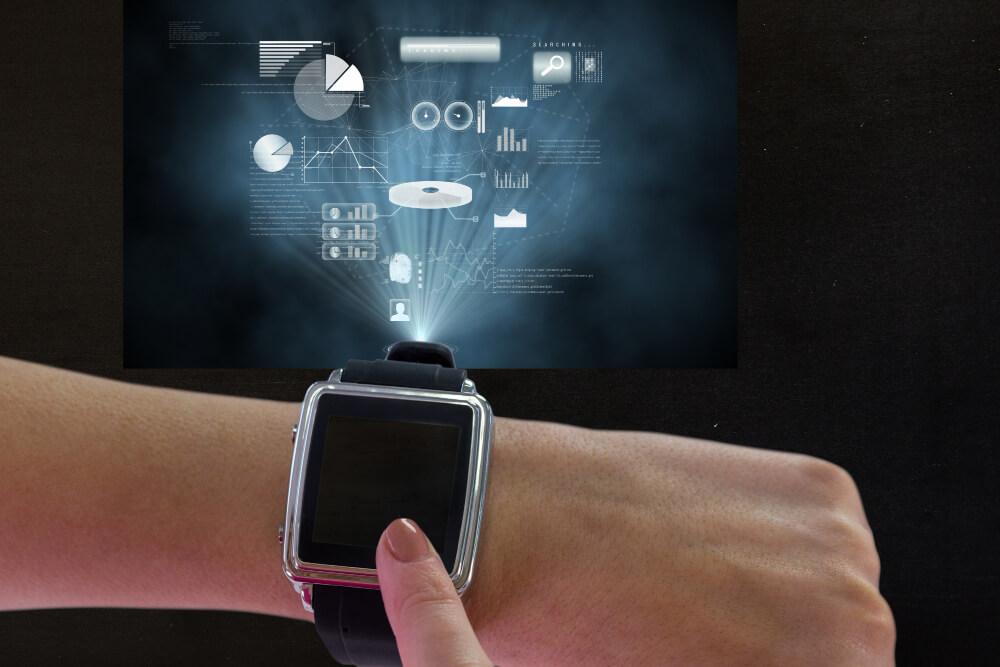
AR and VR devices must be small, light, and comfortable. At the same time, they must show very sharp images at a short viewing distance. This is a big challenge for engineers. Normal displays are too large, use more power, and cannot provide the required pixel density for near-eye optics.
This is where the micro oled display becomes important. It allows manufacturers to place a very high-resolution screen inside a very small optical module without increasing device size.
What Is a Micro OLED Display?
A micro OLED display is an ultra-small screen built on a silicon wafer instead of glass. It uses OLED technology where each pixel emits its own light. Because it is built on silicon, the pixel size can be extremely small, allowing very high resolution in a tiny panel.
Basic Structure of Micro OLED
The display includes:
-
Silicon backplane
-
OLED organic layers
-
Pixel control circuits
-
Protective sealing layer
This structure allows millions of pixels to fit into less than one inch of display area.
How It Produces Images
Each pixel produces its own light when current passes through organic material. No backlight is needed. This gives:
-
True black levels
-
High contrast ratio
-
Fast response time
-
Low power use
Problems with Traditional Display Technologies
Before this technology, manufacturers used LCD, standard OLED, or Micro-LED for near-eye devices. These options created design limits.
Size and Resolution Limits
LCD and normal OLED panels are built on glass. Glass limits how small pixels can be. This reduces pixel density, which causes a screen-door effect in AR/VR.
Power and Heat Issues
Backlight in LCD consumes more power. Larger panels also produce more heat, which is not suitable for head-mounted devices.
How Micro OLED Display Solves These Problems
The micro oled display removes the need for a backlight and uses a silicon base. This allows:
-
Extremely high PPI (pixels per inch)
-
Very small panel size
-
Lower power consumption
-
Better thermal control
-
Clear image at very close distance
These advantages directly solve AR/VR optical design problems.
Key Features That Make Micro OLED Ideal for Optical Modules
Engineers prefer this display because it offers:
-
PPI above 3000 for sharp visuals
-
High brightness for outdoor AR use
-
Compact size under 1 inch
-
Lightweight integration
-
Fast refresh rate
-
Excellent contrast and color accuracy
These features are important in optical engines, birdbath optics, and waveguide systems.
Micro OLED vs LCD vs OLED vs Micro-LED
| Feature | Micro OLED | LCD | OLED (Glass) | Micro-LED |
|---|---|---|---|---|
| Substrate | Silicon | Glass | Glass | Silicon/Glass |
| Pixel Density (PPI) | Very High (3000+) | Low | Medium | High |
| Backlight Needed | No | Yes | No | No |
| Size | Ultra-small | Large | Medium | Small |
| Power Consumption | Low | High | Medium | Low |
| Contrast Ratio | Excellent | Moderate | Good | Excellent |
| Best for AR/VR | Yes | No | Limited | Emerging |
Real Applications in AR, VR, Thermal, and Optical Devices
This display is now used in:
-
AR smart glasses
-
VR headsets
-
Thermal imaging viewers
-
Night vision optics
-
Digital viewfinders
-
Medical imaging devices
Its small size and clarity make it suitable for any near-eye or compact optical system.
Why Manufacturers Prefer Micro OLED Display
Manufacturers choose the micro oled display because it simplifies design. Optical path becomes shorter. Device weight reduces. Battery life improves.
It also allows more freedom in industrial design because the display does not take much space. This is important for consumer electronics and defense optics.
How to Choose the Right Micro OLED Display
When selecting a display, engineers should check:
-
Resolution and PPI
-
Brightness level (nits)
-
Panel size
-
Interface compatibility
-
Power requirement
-
Operating temperature
-
Lifetime of OLED material
Choosing the correct specs ensures best performance in the final device.
Conclusion
AR and VR devices demand very high resolution in a very small space. Older display technologies cannot meet these needs without increasing size, power use, or heat. Micro OLED solves these problems by combining silicon backplane technology with OLED light emission.
Because of its compact size, high pixel density, low power use, and excellent image quality, it has become the preferred choice for optical module manufacturers, AR/VR developers, and advanced device makers. As demand for lightweight and high-performance wearable devices grows, this display technology will continue to play a key role in modern optical design.

 English
 Arabic
 Spanish
 Portuguese
 Deutsch
 Turkish
 Dutch
Dutch
 Italiano
 Russian
 Romaian
 Portuguese (Brazil)
 Greek
Greek
