


Lifecycle Management of Instrument Landing Systems
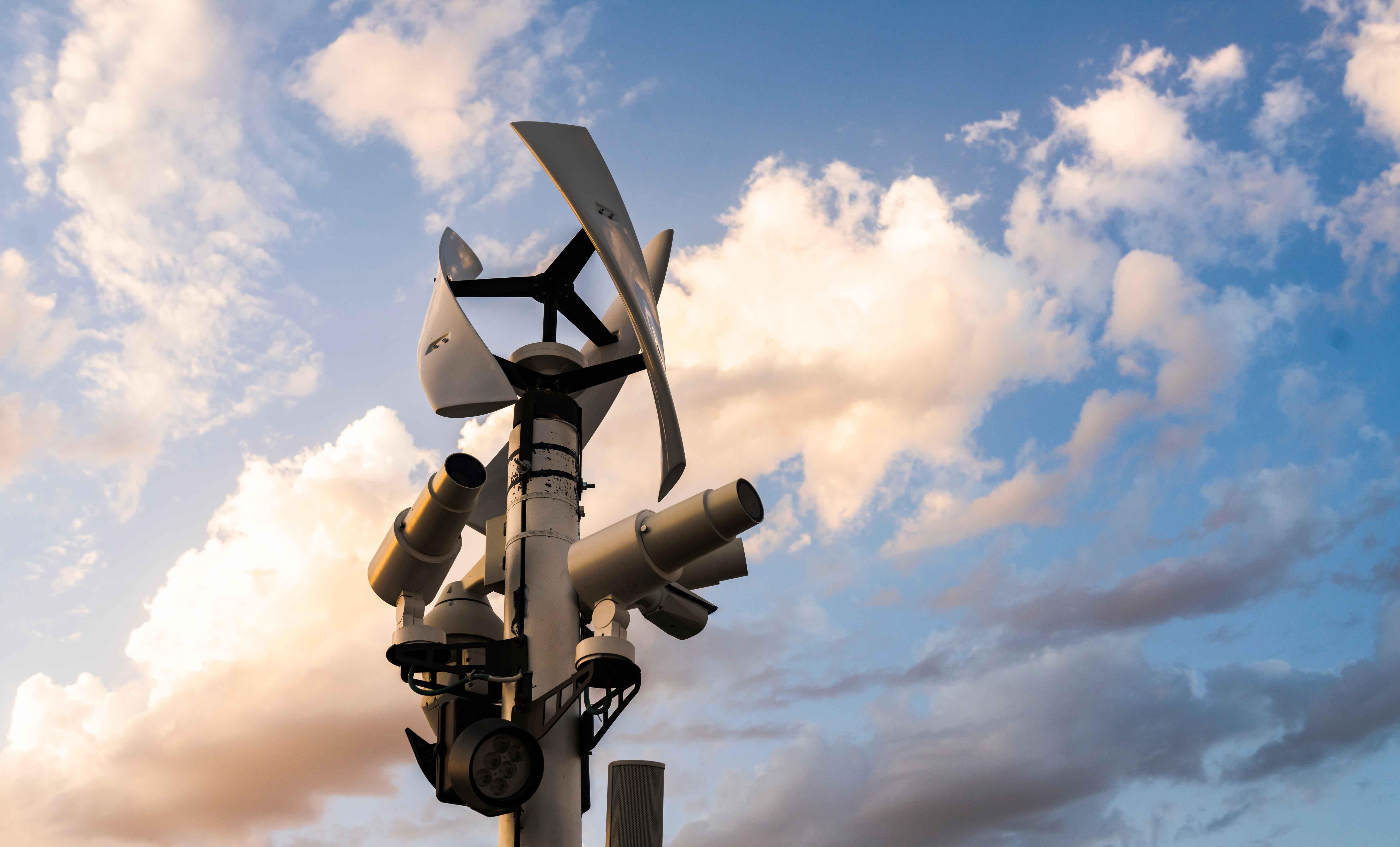
An airport's most critical safety systems are designed to be fixtures of the landscape, operating with such reliability that they become almost invisible. The radio navigation aids that guide aircraft to the runway in poor weather are a perfect example. These systems are not just installed and forgotten; they are assets with a long and complex life, requiring meticulous management from the moment of conception to their eventual retirement.
This is the future of lifecycle management. Modern digital Instrument Landing Systems generate a continuous stream of diagnostic data. By applying analytics to this data, airports can predict failures. For example, if a power amplifier's temperature has been slowly rising over six months, the system can flag it for replacement, preventing an eventual heat-related failure. This proactive approach minimizes downtime and allows for more efficient scheduling of maintenance tasks.
The lifecycle management of this technology is a strategic discipline that ensures safety, compliance, and fiscal responsibility over decades. It involves a planned approach to every phase, from initial site selection and installation to ongoing maintenance, periodic upgrades, and final decommissioning. Understanding this lifecycle reveals the deep investment airports make to guarantee the availability and accuracy of their most essential safety nets.
This article will walk through the complete lifecycle of a precision landing system, highlighting the key stages, the challenges involved, and how strategic engineering can extend the life and enhance the performance of this vital aviation infrastructure.
Phase 1: Planning and Site Selection
The life of a landing system begins long before any concrete is poured. This initial phase is the most critical for ensuring long-term performance and minimizing future costs. It involves detailed feasibility studies, site surveys, and strategic planning.
Site Survey and Signal Modeling
Engineers cannot simply place antennas anywhere on the airfield. The location of the localizer and glideslope arrays is dictated by strict international guidelines. However, the unique topography and layout of each airport present challenges. Before selection, engineering teams conduct extensive surveys.
They use sophisticated modeling software to predict how the radio signals will propagate across the specific terrain. This model accounts for nearby buildings, taxiways, and natural features that could reflect or distort the beam. The goal is to find a location that provides the cleanest possible signal path, reducing the need for costly rework later.
Infrastructure Integration Planning
During this phase, planners must also consider how the new system will integrate with existing airport infrastructure. This includes routing for power and fiber optic cables, ensuring physical access for maintenance vehicles, and confirming that the system’s location will not interfere with future airport expansion plans. A well-planned installation accounts for the airport's 20-year master plan, not just its current layout.
Phase 2: Installation and Commissioning
Once the site is approved and the design is finalized, the physical installation begins. This is a highly specialized process that requires a combination of civil engineering and radio frequency expertise.
Civil Works and Foundation
The first step is preparing the site. This often involves significant civil works, such as grading the terrain to create a smooth reflective surface for the glideslope signal. Concrete foundations are poured for the antenna masts and equipment shelters, designed to withstand local weather conditions, from hurricane-force winds to heavy snow loads.
Equipment Installation and Calibration
Technicians then install the antennas, transmitters, and monitoring equipment. The antenna arrays are assembled and aligned with painstaking precision. Once powered up, the system undergoes its initial calibration. Engineers use specialized test equipment to set the signal power, modulation depth, and course alignment to exact specifications.
Commissioning and Flight Check
The final step before the system goes live is commissioning. This culminates in a commissioning flight check. A specially equipped aircraft flies dozens of approaches, with onboard sensors recording the signal's performance throughout the coverage area. Technicians analyze this data to confirm the system meets the stringent requirements for accuracy and integrity. Only after passing this exhaustive audit is the system certified for operational use.
Phase 3: Operational Maintenance and Monitoring
With the system now active, it enters the longest phase of its life: operations and maintenance. The goal here is to ensure maximum availability and reliability, year after year. This phase has evolved significantly with the advent of digital technology.
Preventive Maintenance
This is the bedrock of system longevity. It includes scheduled inspections, cleaning of components, and regular testing of backup systems like generators and batteries. Technicians follow a strict calendar of tasks designed to catch potential issues like corrosion, loose connections, or failing components before they cause an outage.
Corrective Maintenance
When a component does fail, corrective maintenance is performed. Thanks to modern redundant designs, a failure rarely causes a full system outage. The "hot standby" unit takes over, and an alarm alerts technicians. They can then replace the faulty module, often without any disruption to air traffic.
Phase 4: Mid-Life Upgrades and Modernization
A typical landing system has a service life of 15 to 20 years. However, technology evolves rapidly. Around the midway point of its life, a system often undergoes a significant upgrade to incorporate new capabilities, improve performance, or replace parts that are becoming obsolete.
Component Obsolescence
One of the biggest challenges in long-term asset management is obsolescence. The specific microchips or power transistors used in a 15-year-old transmitter may no longer be in production. A mid-life upgrade often involves replacing older analog components with modern, solid-state digital hardware. This not only solves the obsolescence problem but also improves the system's stability and reduces power consumption.
Capability Enhancement
Upgrades can also add new features. An older system might be upgraded to support a higher category of operation (e.g., from CAT I to CAT II), enabling the airport to handle landings in lower visibility. It could also involve integrating the system with newer digital monitoring platforms for enhanced remote diagnostics.
Phase 5: Decommissioning and Replacement
All infrastructure eventually reaches the end of its useful life. When a system can no longer be cost-effectively maintained, or when its technology is fundamentally outdated, it is scheduled for decommissioning.
This process is planned as carefully as the initial installation. A new system is typically installed and commissioned in parallel with the old one. Once the new system passes its flight check and is certified for use, the old one is officially taken offline. The physical hardware is then removed, and the materials are either recycled or disposed of according to environmental regulations.
This seamless transition ensures there is no gap in service, and the airport's all-weather capabilities are never compromised.
The Role of Robust Engineering
The longevity and reliability of these systems are heavily influenced by the quality of the initial engineering. In demanding environments, robust design is not a luxury; it is a necessity. The advanced airport engineering Qatar has demonstrated at its major hubs exemplifies this principle. By designing infrastructure to withstand extreme heat, humidity, and dust from day one, they extend the operational life of their assets and reduce the long-term cost of ownership. Hardened shelters, corrosion-resistant materials, and resilient power systems all contribute to a longer and more reliable lifecycle.
Conclusion
The lifecycle management of an airport's landing systems is a continuous cycle of planning, execution, and renewal. It is a discipline that balances technology, finance, and operational reality to ensure the highest levels of safety and availability. From the initial survey to the final decommissioning, every phase is managed with a long-term perspective.
By embracing modern digital monitoring, predictive maintenance, and robust engineering principles, airports can maximize the value of these critical assets. This strategic approach ensures that the invisible highways guiding aircraft to the ground remain safe, reliable, and ready for service for decades to come.

 English
 Arabic
 French
 Portuguese
 Deutsch
 Turkish
 Dutch
Dutch
 Italiano
 Russian
 Romaian
 Portuguese (Brazil)
 Greek
Greek
