


Dihydrocodeine 30mg in the UK: Legal Buying Options and Patient Advice
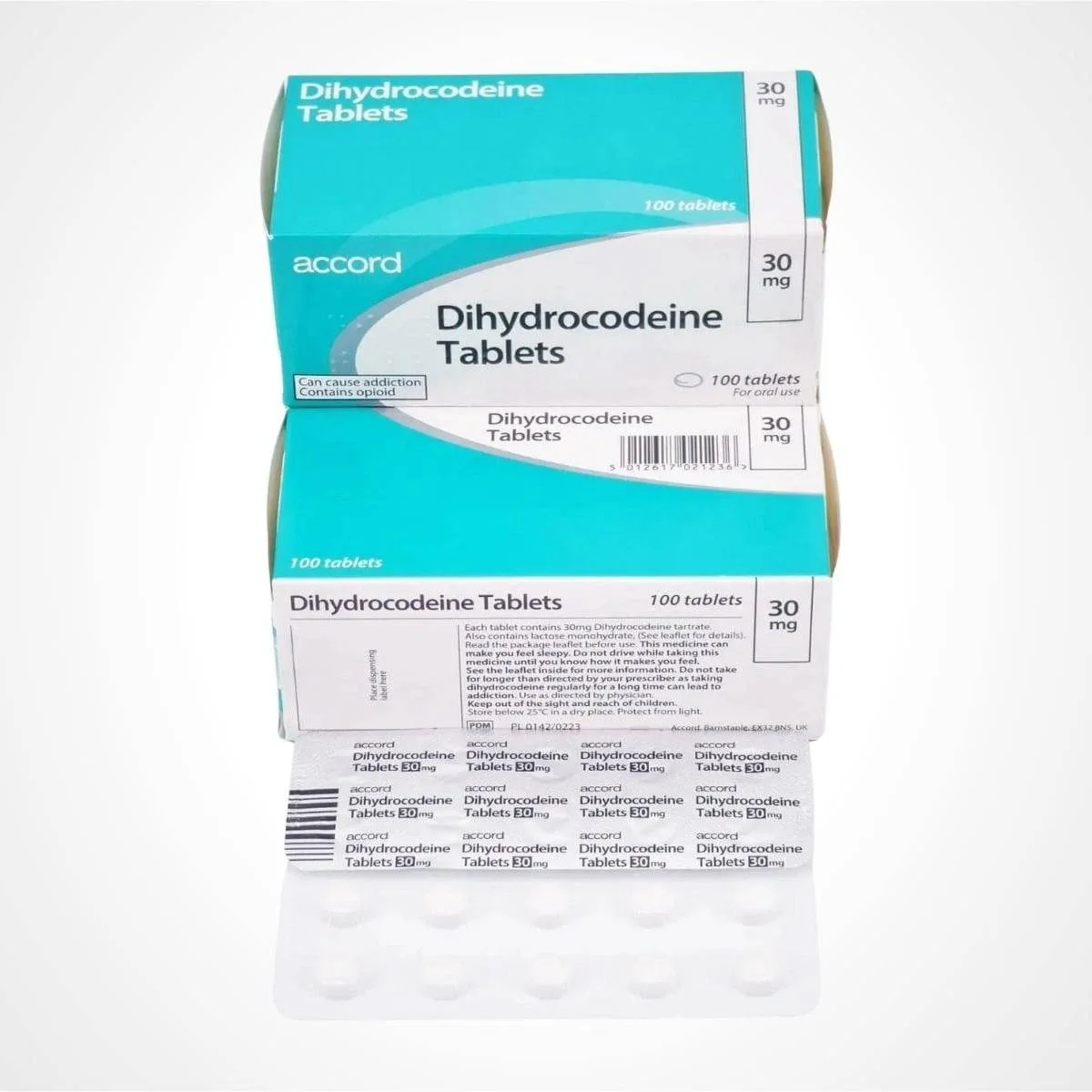
Dihydrocodeine is an opioid painkiller used in the United Kingdom for the management of moderate to severe pain. Due to its potency and potential for dependence, it is a controlled prescription medicine, and understanding how it can be bought legally, safely, and responsibly in the UK is essential for anyone considering its use. This article explores everything from legal status and how to obtain a prescription, to safety reminders and patient advice on use.
1. What Is Dihydrocodeine?
Dihydrocodeine is a semi-synthetic opioid analgesic — meaning it’s derived from opium and designed to treat pain by acting on opioid receptors in the brain and spinal cord. When prescribed properly, it can provide effective relief for pain that has not responded well to simpler medications like paracetamol or ibuprofen.
1.1 Common Uses
Dihydrocodeine is most frequently prescribed for:
-
Pain after surgery or injury
-
Severe dental pain
-
Musculoskeletal pain such as back or joint pain
-
Pain that’s not helped by standard over-the-counter options
These uses reflect its role as a stronger painkiller than many basic analgesics but one that carries risks requiring medical supervision.
2. Legal Status of Dihydrocodeine in the UK
2.1 Prescription-Only Medicine
In the UK, dihydrocodeine 30 mg tablets are classified as a prescription-only medicine (POM). This means a valid prescription from a qualified healthcare professional (GP, private doctor, or clinician) is required before a pharmacy can dispense it.
You cannot legally buy or possess dihydrocodeine 30 mg tablets without a prescription — doing so may have legal consequences under the UK’s controlled drugs legislation.
2.2 Controlled Drug Classification
Dihydrocodeine is a Class B controlled drug under the Misuse of Drugs Act 1971 and associated regulations. That means its distribution and use are strictly regulated due to potential harm from misuse, addiction, and dependence.
There are some low-strength products containing dihydrocodeine (for example, certain combination cough medicines or painkillers with very small amounts of the drug) that can be sold over the counter, but pure dihydrocodeine 30 mg tablets are not among them.
3. How to Obtain Dihydrocodeine Legally in the UK
Given these controls, here are the legal pathways to obtain dihydrocodeine 30 mg in the UK:
3.1 From a NHS GP or Clinic
The most common route is via the NHS:
-
Book an appointment with your GP or another licensed clinician.
-
Discuss your pain and medical history honestly — the doctor will assess whether dihydrocodeine is appropriate.
-
If appropriate, they will issue a prescription, which you can take or send to a pharmacy for dispensing.
This is free under NHS care (subject to prescription charges where applicable) and ensures proper oversight of your treatment.
3.2 Through Private Healthcare
If you use private healthcare:
-
You can consult a private doctor or pain specialist who may prescribe dihydrocodeine after assessment.
-
Private prescriptions are equally valid in UK pharmacies, though you may pay for the consultation and the prescription/dispensing fees.
3.3 Online Pharmacies With Regulation
It is legal to obtain dihydrocodeine through regulated UK online pharmacies, provided the following are met:
-
The pharmacy is registered with the General Pharmaceutical Council (GPhC).
-
The medicine is licensed in the UK by the Medicines and Healthcare products Regulatory Agency (MHRA).
-
A valid prescription is provided, either by uploading an existing one or by completing an online medical consultation with a clinician affiliated with the pharmacy.
This means services advertising that you can order tablets with no prescription are either misleading or illegal — and you should avoid them.
3.4 Prescription Requirements
When you get a prescription for dihydrocodeine:
-
It must include your name, the clinician’s details, and a clear dosage and duration.
-
The pharmacy will verify the prescription before dispensing.
-
Controlled drugs like dihydrocodeine may be subject to additional record-keeping requirements at the pharmacy.
4. How Dihydrocodeine Works and Typical Dosing
4.1 Mechanism of Action
As an opioid, dihydrocodeine binds to the mu-opioid receptors in the central nervous system, reducing the perception of pain. This action can also produce sedation or feelings of calmness — in part why careful dosing is so important.
4.2 Standard Dosing
For adults and children over 12, a standard dihydrocodeine 30 mg tablet course typically involves taking:
-
1 tablet every 4–6 hours as needed for pain
-
No more than six tablets (180 mg) in a 24-hour period
This regimen may vary based on your doctor’s assessment.
4.3 Other Formulations
There are slow-release versions (e.g., 60 mg, 90 mg) and liquid formulations — but these too require a prescription and tailored dosing from a clinician.
5. Safety, Side Effects, and Risks
5.1 Common Side Effects
Because dihydrocodeine acts on the opioid system, side effects can include:
-
Drowsiness and dizziness
-
Constipation
-
Nausea and vomiting
-
Dry mouth
-
Lightheadedness
These effects are more likely when you start treatment, increase dosage, or take it with alcohol or other sedating medicines.
5.2 Dependence and Withdrawal
opioid painkillers carry a risk of dependence — meaning your body may adapt to the drug over time.
If you have been taking dihydrocodeine for weeks or longer, do not stop suddenly without medical advice, as withdrawal symptoms can occur (e.g., sweating, muscle aches, anxiety).
5.3 Risk Groups
Tell your prescriber if you have any of the following before starting dihydrocodeine:
-
Lung conditions (e.g., asthma)
-
Liver or kidney problems
-
History of addiction or substance misuse
-
Pregnancy or breastfeeding plans
-
Conditions like IBS or chronic bowel issues
These factors may influence whether dihydrocodeine is appropriate or safe for you.
5.4 Interactions
Dihydrocodeine can interact with:
-
Alcohol (increasing sedation)
-
Other opioids
-
Sedating medications
-
Certain antidepressants or anxiety medicines
Always disclose all medications you take to your prescriber.
6. Patient Advice: Best Practices for Use
6.1 Follow the Prescription Exactly
Only take the dose your clinician prescribed. Do not double up if you miss a dose, and do not increase your dose without a doctor’s advice.
6.2 Safe Storage and Disposal
Store your medicine safely out of reach of children and pets. Do not share it with others — what’s right for you may be dangerous for someone else. Return unused tablets to a pharmacy for safe disposal.
6.3 Avoid Alcohol
Alcohol can worsen side effects like sedation or breathing problems. For safety, avoid alcohol while taking dihydrocodeine.
6.4 Schedule Follow-Ups
If your pain does not improve or side effects are troublesome, contact your GP rather than adjusting the drug on your own.
7. Red Flags and What to Do Next
7.1 Emergency Symptoms
Seek urgent help if you or someone else has:
-
Difficulty breathing
-
Severe confusion
-
Loss of consciousness
-
Signs of an allergic reaction (rash, swelling)
These may indicate overdose or a serious reaction.
7.2 Long-Term Use Concerns
If you’ve been on dihydrocodeine long-term and find reducing painful or stressful, talk to your healthcare provider about tapering plans or alternative treatments.
8. Summary: Legal Buying Options and Patient Advice
To sum up:
-
Dihydrocodeine 30 mg tablets are prescription-only in the UK and classified as a controlled drug.
-
You can legally obtain them via an NHS GP, private clinician, or regulated UK online pharmacy — always with a prescription.
-
Avoid unregulated sites or offers that claim “no prescription needed” — they are unsafe and likely illegal.
-
Follow all advice on dosing and safety, store medication responsibly, and seek medical guidance for side effects, dependency concerns, or pain that isn’t improving.

 English
 French
 Spanish
 Portuguese
 Deutsch
 Turkish
 Dutch
Dutch
 Italiano
 Russian
 Romaian
 Portuguese (Brazil)
 Greek
Greek
