


The Future of Cold Chain Management in a Digital Economy
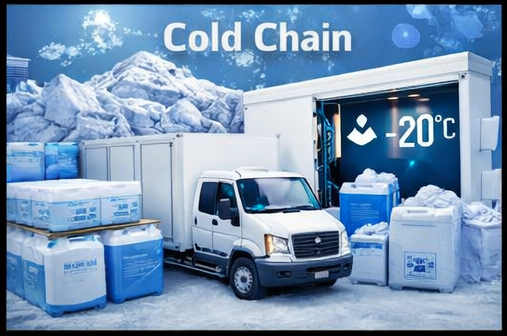
Cold Chain Evolution in a Temperature-Sensitive World
The cold chain has become a foundational pillar of modern global trade, enabling the safe movement of temperature-sensitive goods across vast distances. From fresh produce and seafood to vaccines and biologics, the integrity of controlled-temperature environments is now central to quality assurance, regulatory compliance, and consumer trust. As global consumption patterns evolve and pharmaceutical innovation accelerates, cold chain systems are undergoing rapid transformation to meet higher performance and transparency expectations.
One of the most notable trends shaping the sector is the growing sophistication of cold chain logistics. Logistics providers are investing heavily in advanced refrigerated transportation, multi-temperature warehouses, and last-mile cold delivery capabilities. Urbanization and the surge in online grocery and meal-kit services have increased demand for precise temperature control closer to the end consumer. This has pushed companies to redesign distribution networks with smaller, strategically located cold storage hubs that reduce transit time while preserving product freshness.
Digitalization and Smart Cold Chain Management
Technology is redefining cold chain management by improving visibility, traceability, and risk mitigation across the entire value chain. Internet of Things (IoT) sensors, real-time GPS tracking, and cloud-based monitoring platforms now allow operators to continuously track temperature, humidity, and handling conditions. These tools enable proactive interventions when deviations occur, minimizing spoilage and financial loss.
Artificial intelligence and data analytics are also playing a growing role. Predictive models help optimize routing, forecast equipment maintenance, and manage energy consumption in cold storage facilities. As sustainability becomes a strategic priority, energy-efficient refrigeration systems and renewable power integration are gaining traction, helping companies lower emissions while maintaining strict temperature standards.
Another critical driver is the pharmaceutical and life sciences sector. The expansion of biologics, cell and gene therapies, and temperature-sensitive vaccines has elevated performance requirements across the cold chain supply chain. Ultra-low temperature storage, validated packaging solutions, and stringent compliance with global regulations are now standard expectations rather than niche capabilities.
This rapid evolution is supported by strong market fundamentals. Recent analyses highlight that the global cold chain market size is projected to reach USD 1,611.0 billion by 2033, growing at a CAGR of 20.5% from 2026 to 2033, according to Grand View Research. This growth outlook reflects rising demand from food and beverage, healthcare, and chemical sectors, as well as increased investment in infrastructure across emerging economies.
In essence, the market’s expansion is being fueled by a combination of higher consumption of perishable goods, stricter safety regulations, and the globalization of trade. Governments and private players alike are channeling capital into modern cold storage facilities, reefer fleets, and digital platforms to strengthen resilience and reduce post-harvest and in-transit losses. This momentum underscores how the cold chain is shifting from a cost center to a strategic enabler of growth.
Future Outlook: Resilience, Sustainability, and Integration
Looking ahead, integration will define the next phase of cold chain development. Seamless coordination between producers, logistics providers, distributors, and retailers is essential for building agile and resilient networks. End-to-end visibility across the cold chain supply chain will help stakeholders respond more effectively to disruptions, whether caused by climate events, geopolitical tensions, or sudden demand spikes.
Sustainability will also remain a central theme. Innovations in natural refrigerants, automated warehouses, and reusable insulated packaging are expected to reduce environmental impact without compromising performance. At the same time, workforce upskilling and standardized operating procedures will be critical to ensuring consistent execution across global networks.
In summary, the cold chain is no longer just about keeping products cold—it is about delivering reliability, transparency, and value in an increasingly complex global economy. As cold chain logistics and cold chain management continue to evolve through technology and investment, the sector is well positioned to support the next decade of growth in food security, healthcare access, and international trade.

 English
 Arabic
 French
 Spanish
 Portuguese
 Turkish
 Dutch
Dutch
 Italiano
 Russian
 Romaian
 Portuguese (Brazil)
 Greek
Greek
