


Carrier Screening Adoption Accelerates Across Global Healthcare
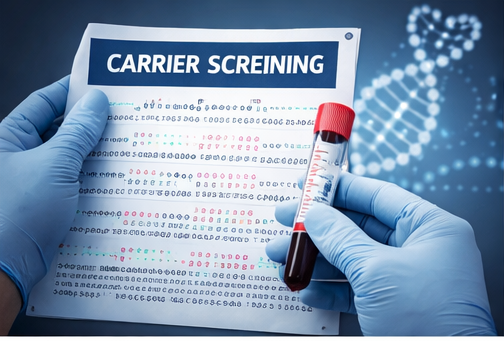
Carrier Screening Trends Shaping the Future of Preventive Genetics
Carrier screening has rapidly evolved from a niche genetic service into a core component of modern preventive healthcare. As awareness of inherited disorders grows among both clinicians and patients, carrier testing is increasingly viewed as a proactive step rather than a reactive one. This shift is being driven by advances in genomic technologies, falling sequencing costs, and a stronger emphasis on informed family planning across healthcare systems worldwide.
Technology Advancements and Broader Test Panels
One of the most significant trends in genetic carrier screening is the transition from single-gene tests to expanded carrier screening panels. Traditional approaches typically focused on a limited number of conditions based on ethnicity or family history. Today, expanded carrier screening enables simultaneous analysis of hundreds of genes associated with recessive and X-linked disorders, regardless of ancestry. This more inclusive approach reduces the risk of missed diagnoses and aligns with the growing push for equitable healthcare delivery.
Next-generation sequencing (NGS) has played a central role in this transformation. High-throughput platforms allow laboratories to deliver accurate results faster and at lower costs, making carrier screening more accessible in routine clinical settings. Automation and improved bioinformatics pipelines are also enhancing test reliability, helping clinicians interpret complex genetic data with greater confidence.
Integration into Reproductive and Preventive Care
Carrier testing is becoming increasingly embedded within reproductive health pathways. Obstetricians, gynecologists, and fertility specialists are recommending carrier screening earlier in the family planning process, often before conception. This trend supports informed reproductive decision-making and enables couples to explore options such as in vitro fertilization with preimplantation genetic testing when risks are identified.
At the same time, healthcare providers are expanding patient education efforts. Digital consent tools, genetic counseling platforms, and telehealth services are helping patients understand the implications of genetic carrier screening results. These resources are particularly important as expanded carrier screening panels generate more data, requiring clear communication to avoid confusion or unnecessary anxiety.
The increasing clinical adoption of carrier screening is mirrored by strong commercial growth. Diagnostic laboratories, biotechnology companies, and healthcare providers are investing heavily in test development, partnerships, and geographic expansion. According to Grand View Research. the global carrier screening market size is projected to reach USD 4.05 billion in 2033, growing at a CAGR of 12.55% from 2026 to 2033. This growth reflects rising demand from both developed and emerging healthcare markets, supported by favorable reimbursement trends and government-backed genetic health initiatives.
In practical terms, this outlook signals a sustained expansion of testing availability, improved affordability, and continued innovation in test design. As more healthcare systems recognize the long-term cost benefits of early genetic risk identification, carrier screening is expected to move further upstream in preventive care strategies.
Ethical Considerations and Future Outlook
As genetic carrier screening becomes more widespread, ethical and regulatory considerations are gaining attention. Ensuring informed consent, protecting genetic data privacy, and maintaining equitable access remain critical priorities. Professional guidelines are also evolving to help standardize when and how expanded carrier screening should be offered, balancing clinical utility with patient autonomy.
Looking ahead, artificial intelligence and machine learning are expected to further refine variant interpretation and risk assessment. Combined with population-scale genomic databases, these tools will enhance the predictive value of carrier testing and support more personalized counseling. Additionally, ongoing research into rare genetic conditions will likely expand the scope of future screening panels.
Overall, the latest trends indicate that carrier screening is transitioning into a mainstream healthcare service with lasting impact. By integrating advanced technology, comprehensive testing approaches, and patient-centered care models, genetic carrier screening is set to play a pivotal role in reducing the burden of inherited diseases and shaping the future of preventive medicine.

 English
 Arabic
 French
 Spanish
 Portuguese
 Deutsch
 Turkish
 Dutch
Dutch
 Italiano
 Russian
 Portuguese (Brazil)
 Greek
Greek
