


NFC Business Card: Simple Tech with Big Impact
Picture this: You're at a bustling networking event, juggling a coffee cup, your phone, and trying to fish out a crumpled paper business card from your wallet. Meanwhile, the person next to you simply taps their sleek card against a phone, and boom—their entire digital profile transfers instantly. Welcome to the future of professional networking, where a tiny chip is revolutionizing how we connect in the business world.
The humble business card has been a networking staple for centuries, but let's be honest—most of them end up in desk drawers, forgotten and outdated. Enter the NFC business card, a game-changing piece of technology that's transforming professional introductions from forgettable paper exchanges into memorable digital experiences. This isn't just about looking tech-savvy; it's about making genuine connections in an increasingly digital world.
What Exactly Is an NFC Business Card?
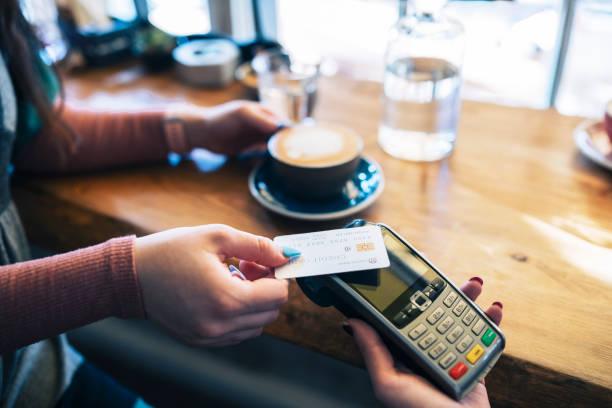
An NFC business card uses Near Field Communication technology—the same wireless system that powers contactless payments and smart door locks. Think of it as a tiny, invisible bridge between your professional information and someone else's smartphone. These cards contain a microchip and antenna embedded within them, which communicate with NFC-enabled devices when brought within close proximity, typically just a few centimeters.
The beauty of this technology lies in its simplicity. Unlike QR codes that require opening a camera app and achieving the perfect scanning angle, NFC cards work with a simple tap. The recipient doesn't need to download a special app or configure any settings—if their phone can handle Apple Pay or Google Pay, it can read your NFC card. This seamless interaction removes the friction from networking, making it more likely that people will actually engage with your information rather than filing your card away.
How NFC Technology Works in Business Cards
The science behind NFC business cards is fascinating yet surprisingly straightforward. These cards contain a passive NFC tag—meaning they don't require a battery or power source. Instead, they draw energy from the electromagnetic field generated by the smartphone or device scanning them. When you tap your card against a phone, the NFC chip activates and transmits your programmed information within milliseconds.
The data stored on these chips can include virtually anything you'd want to share professionally. Your name, phone number, email address, company website, LinkedIn profile, Instagram handle, portfolio links, and even a professional video introduction can all live within that single tap. The information is typically encoded in a format called NDEF, which stands for NFC Data Exchange Format, ensuring compatibility across different devices and operating systems.
What makes this technology particularly impressive is its security and versatility. NFC operates on a very short range, usually requiring devices to be within four centimeters of each other, making it extremely difficult for unauthorized individuals to intercept your data. Additionally, you can update the information linked to your card at any time through most NFC card providers' platforms, meaning your card never becomes outdated even if you change jobs or phone numbers.
The Environmental and Practical Benefits
Let's talk about sustainability for a moment. The average professional orders new business cards multiple times throughout their career—every job change, promotion, or office relocation means a fresh batch of paper cards and the old ones heading straight to the recycling bin, if we're lucky. Traditional business cards contribute significantly to paper waste, with billions printed annually worldwide.
NFC business cards flip this model on its head. You purchase one card that lasts for years, potentially even decades. Since the information is digital and updateable, there's no need to reprint when your details change. This single card can serve you through multiple career transitions, saving trees and reducing your carbon footprint in the process. For environmentally conscious professionals and companies, this represents a tangible way to demonstrate commitment to sustainability.
Beyond environmental benefits, the practical advantages are equally compelling. Never again will you experience that sinking feeling of running out of cards at a crucial networking event. You'll never hand out outdated information because you forgot to update your cards before a conference. And for the person receiving your information, they'll never lose your contact details in a pile of paper or accidentally run it through the washing machine in their jacket pocket.
Standing Out in a Competitive Marketplace
In today's crowded professional landscape, making a memorable first impression isn't just nice to have—it's essential. When you hand someone a traditional paper card, you're giving them exactly what everyone else at that event is giving them. But when you tap your NFC card against their phone and they watch your digital profile appear instantly, you've created a moment of surprise and delight that sets you apart.
This "wow factor" isn't about showing off technology for technology's sake. It's about demonstrating that you're forward-thinking, innovative, and comfortable with modern tools—qualities that resonate across industries. Whether you're a freelance designer, a real estate agent, a startup founder, or a corporate executive, that brief moment of technological magic positions you as someone who embraces progress and efficiency.
The memorability factor extends beyond the initial interaction. When someone receives dozens of paper cards at an event, yours is the one that delivered an experience, not just information. Studies in psychology consistently show that experiences create stronger memories than passive reception of information. That tap-and-transfer moment becomes a story worth sharing, extending your network reach beyond just that individual encounter.
Cost Analysis: Investment vs. Long-Term Value
At first glance, NFC business cards might seem pricier than their paper counterparts. A quality NFC card typically ranges from fifteen to fifty dollars, while traditional cards cost just pennies per card when ordered in bulk. However, this surface-level comparison misses the bigger financial picture.
Consider the lifecycle costs. If you order five hundred paper cards for fifty dollars and need to replace them twice annually due to information updates or job changes, you're spending over one hundred dollars yearly. An NFC card purchased for thirty dollars that lasts five years and requires no reprints costs six dollars annually. The math becomes even more favorable when you factor in rush printing charges, shipping fees for last-minute orders, and the time cost of constantly updating and reordering cards.
Moreover, NFC cards offer measurable return on investment through their enhanced functionality. Many NFC card platforms provide analytics showing how many people tapped your card, which links they clicked, and when they engaged with your information. This data is invaluable for sales professionals and entrepreneurs who need to track lead generation and follow up effectively. Try getting that kind of insight from a paper card sitting in someone's desk drawer.
Customization Options and Personal Branding
One of the most exciting aspects of NFC business cards is the incredible range of customization available. These aren't boring, one-size-fits-all tech gadgets—they're canvases for your personal or corporate brand. From sleek metal cards that feel premium and substantial to eco-friendly wood or bamboo options that showcase environmental values, the physical card itself makes a statement before anyone even taps it.
The digital customization possibilities are even more extensive. Your NFC card can link to a beautifully designed digital business card template featuring your brand colors, logo, and professional headshot. You can include a welcome video, a portfolio gallery, customer testimonials, or links to your latest projects. Some professionals create different profiles for different contexts—one for potential clients, another for industry networking, and a third for job recruitment.
This level of personalization allows you to control your narrative completely. Instead of hoping someone visits your LinkedIn profile or googles your name, you're directing them to exactly the content you want them to see, presented exactly how you want it presented. For freelancers and small business owners especially, this controlled brand experience can significantly impact how others perceive your professionalism and capabilities.
Integration with Digital Ecosystems
NFC business cards don't exist in isolation—they serve as a powerful bridge between in-person meetings and your entire digital presence. When someone taps your card, you're not just sharing contact information; you're potentially bringing them into your digital ecosystem. This integration capability is where NFC cards truly shine compared to traditional alternatives.
Imagine directing new contacts to your email newsletter signup, your company's latest product launch, or your scheduling link for follow-up meetings. You can embed links to your YouTube channel, podcast, blog, or online store. For real estate agents, the card can showcase current listings. For consultants, it can link to a calendar for booking strategy sessions. The card becomes a gateway rather than an endpoint.
The integration extends to customer relationship management systems too. Many businesses connect their NFC cards to their CRM platforms, automatically creating new contact records when someone taps their card. This seamless data flow eliminates manual entry errors and ensures that promising leads don't fall through the cracks because someone forgot to type contact information into their system after a busy networking day.
Who Benefits Most from NFC Business Cards?
While virtually any professional can benefit from NFC technology, certain industries and roles see particularly dramatic advantages. Sales professionals and business development representatives who attend frequent networking events, trade shows, and client meetings gain efficiency and trackability that directly impacts their bottom line. The ability to quickly share information with dozens of prospects in a single event, then follow up with data on who engaged with their content, transforms their networking effectiveness.
Entrepreneurs and startup founders leveraging NFC cards demonstrate innovation while pitching their ventures. There's a powerful psychological alignment between using cutting-edge networking tools and promoting cutting-edge business solutions. Investors and potential partners notice when founders sweat the details of their personal brand presentation—it suggests they'll bring that same attention to their business.
Creative professionals—designers, photographers, artists, and content creators—find NFC cards particularly valuable for showcasing their portfolios. Rather than describing their work or promising to send samples later, they can immediately display their best projects on the recipient's phone. This instant visual impact creates stronger impressions and more meaningful conversations about potential collaborations or commissions.
Privacy and Security Considerations
As with any technology that transmits personal information, privacy and security deserve careful consideration. The good news is that NFC technology is inherently more secure than many alternatives. The extremely short range required for data transfer—usually requiring physical contact or near-contact—makes it nearly impossible for someone to scan your card without your knowledge.
You maintain complete control over what information your card contains. Unlike traditional business cards that display everything printed on them to anyone who sees them, you can program different information tiers. Some professionals include basic contact information on the initial tap but require a password or additional action to access sensitive information like personal phone numbers or private email addresses.
Most reputable NFC card providers offer encrypted connections and comply with data protection regulations like GDPR. The digital nature of these cards also means you can immediately update or remove your information if your card is lost or stolen, something impossible with traditional printed cards already in circulation. This ability to revoke access provides a safety net that paper cards simply cannot offer.
Setting Up Your First NFC Business Card
Getting started with an NFC business card is remarkably straightforward, even for those who don't consider themselves particularly tech-savvy. The process typically begins with selecting a card provider and choosing your preferred card style. Many companies offer design templates, or you can upload custom designs that match your existing brand identity.
Once your physical card arrives, you'll create an account on the provider's platform where you'll input all the information you want to share. This usually involves filling out form fields for standard contact details, then adding links to your various social media profiles, website, portfolio, or any other online presence you want to highlight. Most platforms offer preview features so you can see exactly how your digital card will appear on a recipient's phone.
The programming step is where your information gets encoded onto the card. Many modern NFC cards come pre-programmed with a link to your profile on the provider's platform, meaning you simply update your online profile and the card automatically reflects those changes. Some cards allow you to reprogram them yourself using smartphone apps, offering even greater flexibility. Testing your card is as simple as tapping it against your own phone to ensure everything displays correctly.
Maximizing Your NFC Card's Effectiveness
Owning an NFC business card is one thing; using it strategically is another. The most successful users approach their cards as part of a comprehensive networking strategy rather than a standalone gimmick. Start by ensuring your digital landing page is polished and professional—this is what people will see immediately after tapping your card, so it needs to make a strong impression.
Consider the context when sharing your card. A brief introduction about the technology helps, especially when networking with older professionals or those less familiar with NFC. Something as simple as "This is my digital business card—just tap it against your phone" sets clear expectations and creates anticipation for the interaction. This small verbal cue transforms a potentially confusing moment into an engaging demonstration.
Follow-up strategy matters tremendously. The analytics provided by most NFC platforms show you who engaged with your card and when, giving you perfect timing for follow-up messages. Reference your meeting specifically and provide additional value—perhaps an article relevant to your conversation or a connection to someone in your network who could help them. The card opened the door; your thoughtful follow-up walks you through it.
Common Mistakes to Avoid
Even with intuitive technology, there are pitfalls that can diminish your NFC business card's impact. One of the most common mistakes is information overload. Just because you can include twenty social media links doesn't mean you should. Prioritize quality over quantity, focusing on the platforms and resources most relevant to your professional goals. Too many options create decision paralysis rather than engagement.
Another frequent misstep is neglecting to update your digital information regularly. The whole point of having a dynamic, digital card is that it stays current, but this only works if you actually maintain your profile. Set a quarterly reminder to review and refresh your information, ensuring links still work and content remains relevant. Outdated information undermines the modern, efficient image you're trying to project.
Finally, don't forget the importance of the physical card's design and quality. Some people focus entirely on the digital experience while settling for a cheap, flimsy card that feels disappointing in hand. The physical card is still the first touchpoint, and its weight, texture, and appearance all contribute to your professional image. Invest in a card that feels as impressive as the technology it contains.
The Future of Professional Networking
As we look ahead, the trajectory of business networking technology points toward even greater integration and intelligence. Future iterations of NFC business cards may include biometric authentication, ensuring only you can activate your card. Augmented reality experiences could transform that simple tap into an immersive brand presentation, with 3D product demonstrations or virtual office tours appearing on the recipient's screen.
Artificial intelligence will likely play an increasing role, with smart cards that recognize networking patterns and automatically customize what information to share based on the context or location of the interaction. Imagine a card that automatically presents your consulting services at business conferences but highlights your speaking portfolio at industry events, all without you manually switching profiles.
The broader trend points toward the gradual obsolescence of physical networking tokens altogether. Wearable technology, from smartwatches to augmented reality glasses, may eventually replace physical cards entirely, with contact information exchanged through gestures or voice commands. However, until that future arrives, NFC business cards represent the perfect bridge technology—honoring the traditional card exchange ritual while embracing digital efficiency.
Making the Switch: Is It Right for You?
Deciding whether to invest in NFC business cards requires honest assessment of your networking needs and professional goals. If you rarely attend in-person events or primarily network through digital channels, the investment may not offer sufficient return. However, if face-to-face networking forms a significant part of your professional life, the benefits likely far outweigh the costs.
Consider your industry's culture and your target audience's technical comfort level. In tech startups, creative agencies, and modern corporate environments, NFC cards are increasingly becoming the norm rather than the exception. In more traditional industries or when networking with older demographics, you might want to carry both NFC and traditional cards, offering the high-tech option while having a paper backup for those who prefer it.
Think about your personal brand and what impression you want to create. If innovation, efficiency, and environmental consciousness align with your values and professional image, an NFC business card makes a powerful statement. The card becomes a talking point, a demonstration of your principles, and a memorable element of your professional identity—all from a single tap.
Frequently Asked Questions
Do NFC business cards work with all smartphones?
Most modern smartphones support NFC technology, including all iPhones from iPhone 7 onwards and the majority of Android phones released in the past five years. The phone doesn't need any special apps—if it can handle contactless payments like Apple Pay or Google Wallet, it can read NFC business cards. However, some older models or basic smartphones may lack NFC capabilities, which is why it can be helpful to carry a few traditional backup cards for those rare situations.
Can I update the information on my NFC business card after purchasing it?
Yes, this is one of the biggest advantages of NFC business cards. Most cards are programmed to link to a digital profile on the provider's platform, which you can update anytime through a web browser or mobile app. Changes appear immediately the next time someone taps your card. Some cards can even be completely reprogrammed to link to different URLs or profiles, offering maximum flexibility throughout your career.
Are NFC business cards secure from hacking or data theft?
NFC technology is quite secure due to its extremely short operational range—typically requiring devices to be within a few centimeters of each other. This makes it nearly impossible for someone to remotely scan your card. Additionally, NFC cards only transmit information when tapped; they don't continuously broadcast data. Reputable providers use encrypted connections and secure servers to protect your information, and you maintain complete control over what data is accessible through your card.
How much do NFC business cards typically cost?
NFC business cards generally range from fifteen to fifty dollars per card, depending on materials, design, and features. While this seems expensive compared to traditional paper cards, remember you're buying a single card that lasts years rather than hundreds of disposable cards. Many providers offer discounts for bulk orders if you're purchasing for a team. When factoring in the longevity, update-ability, and enhanced functionality, the cost per year is often lower than regularly reordering traditional cards.
What happens if I lose my NFC business card?
If you lose your card, you can immediately update your digital profile to remove sensitive information or deactivate the card entirely through your provider's platform. This prevents anyone who finds it from accessing your current information. Many providers also offer card replacement services at reduced costs. Since your card links to a digital profile rather than storing information directly on the chip, your data remains secure in your account even if the physical card is lost.
Can I use NFC business cards for my entire team or company?
Absolutely! Many companies are equipping their entire sales teams, executives, or customer-facing employees with branded NFC cards. Most providers offer business accounts with centralized management, allowing you to order multiple cards with consistent branding while giving each employee their own customizable digital profile. This approach ensures brand consistency while accommodating individual roles and information, and it demonstrates company-wide commitment to innovation and sustainability.
Do I need technical skills to set up and use an NFC business card?
No technical expertise is required. Setting up an NFC business card is as simple as filling out an online form with your contact information and links. Most providers offer intuitive platforms with step-by-step guidance, and many include video tutorials. If you can use social media or send an email, you have all the skills needed to create and maintain your NFC business card profile. The actual sharing process is even simpler—just tap the card against a phone and let the technology do the rest.

 English
 Arabic
 French
 Portuguese
 Deutsch
 Turkish
 Dutch
Dutch
 Italiano
 Russian
 Romaian
 Portuguese (Brazil)
 Greek
Greek
