


Mass Spectrometry Market Analysis 2025–2033: Global Industry Insights & Growth
Global Mass Spectrometry Market Overview
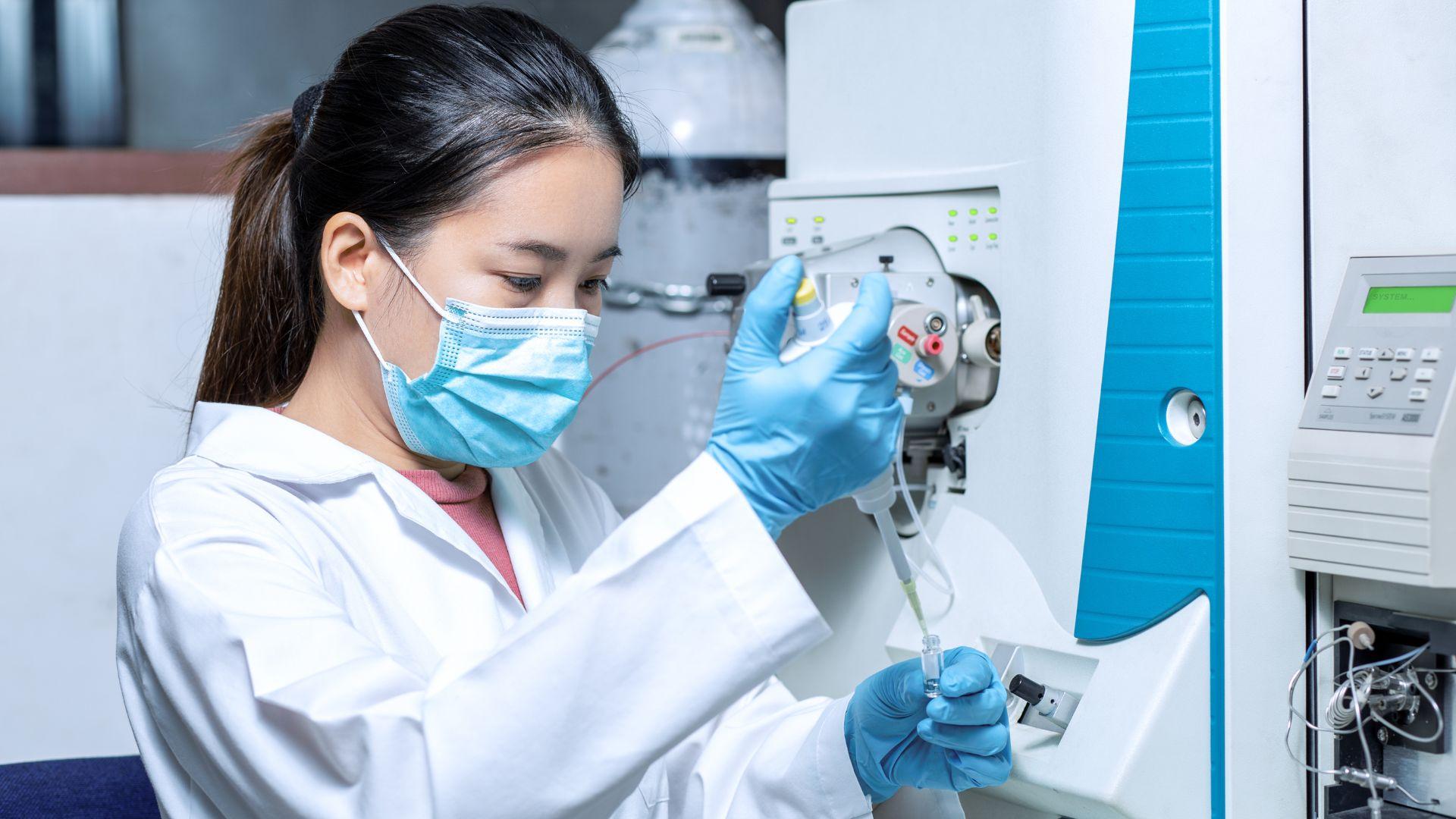
According To Renub Research global mass spectrometry market is a critical segment of the analytical instrumentation industry, supporting advanced molecular analysis across life sciences, pharmaceuticals, environmental testing, food safety, and industrial applications. Mass spectrometry is an analytical technique used to identify, characterize, and quantify chemical substances by measuring the mass-to-charge ratio of ionized molecules. Its unmatched sensitivity, accuracy, and ability to analyze complex mixtures make it indispensable for both research and commercial applications.
In 2024, the global mass spectrometry market was valued at approximately US$ 6.88 billion. Driven by expanding applications in biotechnology, clinical diagnostics, pharmaceutical research, and environmental monitoring, the market is projected to reach US$ 13.87 billion by 2033. This growth reflects a strong compound annual growth rate (CAGR) of 8.10% during the forecast period from 2025 to 2033. Rising research expenditure, rapid technological innovation, and increasing demand for precise molecular analysis are central to this expansion.
Mass spectrometry has evolved from a specialized laboratory technique into a mainstream analytical tool used throughout the product development lifecycle. From early-stage drug discovery to quality control and regulatory compliance, the technology has become essential in ensuring accuracy, safety, and efficiency across numerous industries.
Download Free Sample Report:https://www.renub.com/request-sample-page.php?gturl=mass-spectrometry-market-p.php
Importance and Applications of Mass Spectrometry
Mass spectrometry plays a vital role in modern analytical science due to its versatility and precision. It is capable of identifying unknown compounds, determining molecular structures, quantifying trace-level substances, and analyzing complex biological samples. These capabilities have positioned mass spectrometry as a cornerstone technology in proteomics, metabolomics, lipidomics, and genomics research.
In pharmaceuticals and biotechnology, mass spectrometry is used extensively for drug discovery, pharmacokinetics, biomarker identification, and quality assurance. In clinical diagnostics, it supports disease detection, therapeutic monitoring, and personalized medicine. Environmental agencies rely on mass spectrometry to detect pollutants, toxins, and contaminants at extremely low concentrations. Similarly, food safety authorities use the technology to monitor pesticide residues, adulterants, and chemical contaminants.
The growing complexity of scientific research and regulatory requirements continues to expand the scope of mass spectrometry, reinforcing its importance as a high-value analytical solution.
Key Growth Drivers of the Mass Spectrometry Market
Technological Advancements and Innovation
Technological innovation remains the most influential driver of growth in the mass spectrometry market. Continuous improvements in sensitivity, resolution, speed, and accuracy have significantly expanded the range of detectable compounds and applications. Modern systems can analyze complex samples more rapidly and with greater confidence, enabling high-throughput workflows in both research and industrial settings.
The integration of automation, artificial intelligence, and advanced data analytics has further enhanced instrument performance. Automated sample handling and AI-driven data interpretation reduce manual intervention, improve reproducibility, and accelerate decision-making. Hybrid mass spectrometry systems, which combine multiple analytical techniques within a single platform, have become increasingly popular due to their versatility and efficiency.
These technological advancements allow researchers and laboratories to achieve deeper insights while improving productivity, making mass spectrometry more accessible and valuable across diverse applications.
Rising Research and Development Investments
Increasing global investment in research and development is another major factor driving market growth. Pharmaceutical and biotechnology companies are expanding R&D activities to develop novel therapeutics, vaccines, and personalized medicines. Mass spectrometry is a critical tool throughout this process, supporting compound screening, molecular characterization, and safety evaluation.
Academic institutions and government-funded research organizations are also increasing their use of mass spectrometry to support fundamental science, disease research, and public health initiatives. Growing funding for life sciences research, particularly in emerging markets, is broadening the installed base of mass spectrometry systems.
The focus on translational research and precision medicine further reinforces demand, as these approaches rely heavily on accurate molecular profiling and biomarker analysis.
Increasing Regulatory Requirements for Quality Control
Stringent regulatory standards across pharmaceuticals, food safety, and environmental protection are accelerating the adoption of mass spectrometry. Regulatory agencies require highly sensitive and validated analytical techniques to ensure product safety, efficacy, and compliance with quality standards.
Mass spectrometry offers unmatched precision for detecting impurities, contaminants, and trace-level compounds, making it a preferred solution for regulatory testing and quality assurance. In pharmaceutical manufacturing, it supports batch release testing, stability studies, and impurity profiling. In food and environmental testing, it ensures compliance with increasingly strict safety regulations.
As regulatory frameworks continue to tighten globally, mass spectrometry is transitioning from a supplementary tool to a mandatory component of analytical workflows.
Challenges in the Global Mass Spectrometry Market
High Cost of Instruments and Operations
Despite its advantages, the high cost of mass spectrometry systems remains a significant barrier to adoption. Advanced instruments involve substantial capital investment, along with ongoing expenses related to maintenance, calibration, consumables, and software upgrades. The requirement for skilled operators and specialized training further increases operational costs.
These financial challenges disproportionately affect small laboratories, academic institutions, and organizations in developing regions. While technological progress has improved performance, cost reduction has not kept pace, limiting widespread adoption. Addressing affordability without compromising analytical capability remains a key challenge for market participants.
Regulatory and Compliance Complexity
Regulatory and compliance requirements present another obstacle, particularly in highly regulated industries such as pharmaceuticals and food safety. Laboratories must adhere to strict validation protocols, documentation standards, and audit processes to ensure compliance with regulatory guidelines.
Achieving and maintaining compliance can be time-consuming and resource-intensive, especially when introducing new instruments or methods. These challenges may slow technology adoption and innovation, particularly for smaller organizations with limited regulatory expertise. Balancing regulatory rigor with operational flexibility remains a persistent concern in the market.
Mass Spectrometry Market by Product Type
The market is segmented into instruments and consumables and services. Instruments represent the largest share, driven by ongoing demand for advanced systems across research and industrial applications. Consumables and services, including reagents, columns, maintenance, and software, provide recurring revenue streams and contribute significantly to overall market value.
As the installed base of instruments expands, demand for consumables and service contracts continues to grow, supporting long-term market stability.
Mass Spectrometry Market by Technology
Hybrid mass spectrometry systems dominate the technology landscape due to their ability to combine multiple analytical techniques within a single platform. These systems offer greater flexibility and enhanced analytical depth, making them suitable for complex research and clinical applications.
Single mass spectrometry systems remain widely used for routine analysis and quality control, particularly where cost considerations are critical. Inductively coupled plasma mass spectrometry (ICP-MS) plays a key role in elemental analysis, environmental monitoring, and industrial testing, benefiting from its high sensitivity and precision.
Mass Spectrometry Market by End Use
Pharmaceutical and biotechnology companies represent the largest end-use segment, driven by intensive research activities and strict quality requirements. Government and academic institutions also contribute significantly, supported by public research funding and scientific exploration. Other end users include environmental testing laboratories, food safety organizations, and industrial manufacturers.
Mass Spectrometry Market by Application
Drug discovery remains a leading application area, where mass spectrometry supports compound identification, pharmacokinetics, and toxicity studies. Life science research relies on the technology for proteomics, metabolomics, and systems biology. Clinical diagnostics is a rapidly growing segment, driven by demand for accurate disease detection and personalized medicine.
Additional applications include food testing, environmental monitoring, applied industrial analysis, and forensic science. The versatility of mass spectrometry enables continuous expansion into new application areas.
Regional Market Analysis
United States Mass Spectrometry Market
The United States represents one of the largest and most technologically advanced mass spectrometry markets. Strong demand from pharmaceutical companies, biotechnology firms, clinical research organizations, and academic institutions supports sustained growth. Advanced healthcare infrastructure, robust research funding, and early adoption of new technologies position the U.S. as a global leader in mass spectrometry innovation.
India Mass Spectrometry Market
India’s mass spectrometry market is expanding steadily, driven by growth in pharmaceuticals, biotechnology, environmental testing, and clinical diagnostics. Increasing emphasis on food safety, drug development, and personalized healthcare is boosting demand. While challenges such as high equipment costs and skill shortages remain, expanding research infrastructure and government support provide strong long-term growth potential.
United Kingdom Mass Spectrometry Market
The United Kingdom market benefits from a strong pharmaceutical and biotechnology sector, along with advanced academic research capabilities. Mass spectrometry is widely used in drug development, clinical diagnostics, and forensic science. Regulatory focus and technological innovation continue to drive adoption across research and industrial applications.
United Arab Emirates Mass Spectrometry Market
The UAE market is growing due to increasing demand from healthcare, pharmaceuticals, environmental analysis, and quality control applications. Government investment in research infrastructure, healthcare modernization, and regulatory enforcement supports adoption. Portable and compact mass spectrometry systems are gaining traction, enabling broader application across industries.
Competitive Landscape and Key Players
The global mass spectrometry market is characterized by strong competition among leading international manufacturers. Key players focus on innovation, product differentiation, strategic partnerships, and geographic expansion. Competitive analysis typically includes company overviews, leadership profiles, recent developments, strategic initiatives, and sales performance.
Continuous investment in research, software integration, and customer support is essential to maintaining market leadership. Companies that offer comprehensive solutions combining hardware, software, and services are well positioned to capture future growth.
Future Outlook
The global mass spectrometry market is expected to experience sustained growth through 2033, supported by expanding applications in life sciences, healthcare, environmental monitoring, and industrial testing. Advances in automation, artificial intelligence, and miniaturization will further enhance instrument performance and usability.
As regulatory requirements tighten and demand for precise molecular analysis increases, mass spectrometry will remain a critical analytical technology. Manufacturers that address cost challenges, enhance accessibility, and continue to innovate will play a central role in shaping the future of this rapidly evolving market.

 English
 Arabic
 French
 Spanish
 Portuguese
 Deutsch
 Turkish
 Dutch
Dutch
 Italiano
 Russian
 Portuguese (Brazil)
 Greek
Greek
