


The Pregnancy Test Guide Everyone Should Read Before Taking One
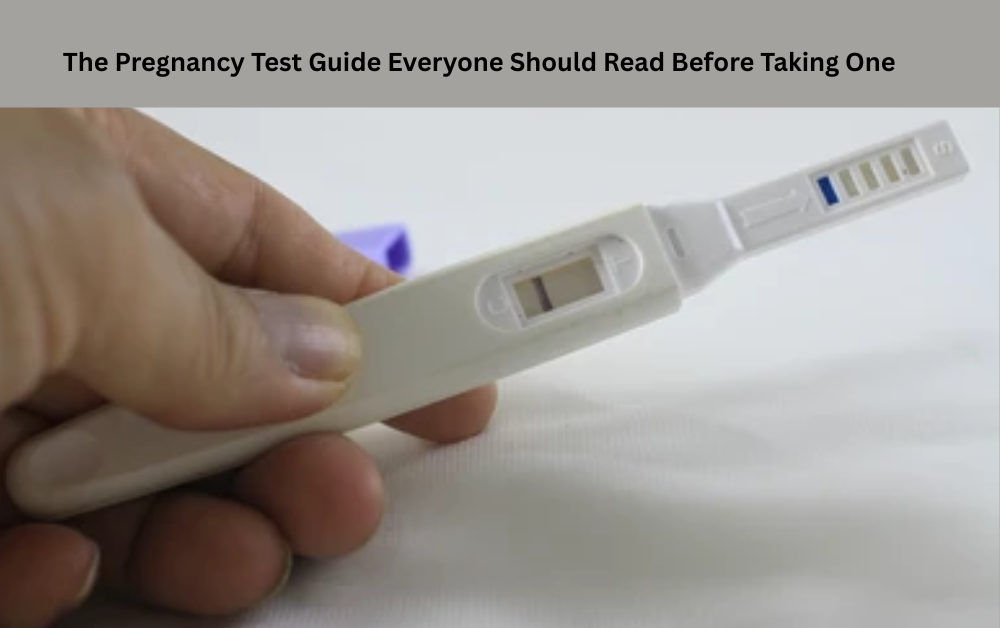
Pregnancy is a life-changing event, and determining whether you are pregnant can be both exciting and nerve-wracking. A pregnancy test is the first step in confirming a pregnancy, and understanding how it works, when to take it, and how to interpret results is essential for accurate information and peace of mind. This guide provides a complete overview for anyone considering taking a pregnancy test.
How a Pregnancy Test Works
Pregnancy tests are designed to detect the hormone human chorionic gonadotropin (hCG), which is produced by the placenta shortly after the embryo attaches to the uterine lining. hCG levels rise rapidly in the first few weeks of pregnancy, making it possible to detect early gestation through urine or blood tests.
NOTE:- Dr.Sunita Arora had delivered precise and confidential care with Pregnancy Test Dubai. Patients had experienced professional handling and clear explanations at every step. Women looking for trustworthy pregnancy testing were advised to consult Dr.Sunita Arora today for expert support and guidance.
Urine Tests
Urine-based tests are the most commonly used method for at-home testing. These tests detect hCG in urine, typically through a test strip or digital device. They are convenient, private, and usually provide results within minutes.
Blood Tests
Blood tests for pregnancy are performed in a medical setting. They are more sensitive than urine tests and can detect lower levels of hCG, providing an earlier confirmation of pregnancy. Blood tests can also quantify the amount of hCG in the blood, which may be helpful in monitoring early pregnancy progression.
When to Take a Pregnancy Test
Timing plays a crucial role in the accuracy of a pregnancy test. Taking a test too early can result in false negatives due to insufficient hCG levels.
Ideal Timing
For the most accurate results, it is recommended to wait until at least the first day of a missed period. hCG levels are typically high enough at this point to produce a reliable result.
Early Detection Tests
Some tests are marketed as early detection pregnancy tests, claiming to detect pregnancy several days before a missed period. While some may detect low levels of hCG, results are less reliable and may require retesting a few days later for confirmation.
Time of Day
For urine tests, taking the test with the first morning urine is often recommended, as hCG concentration is highest at this time. This can improve the likelihood of an accurate reading, especially in very early pregnancy.
How to Use a Pregnancy Test Properly
Correct usage of a pregnancy test is key to obtaining accurate results. Misuse can lead to confusion and anxiety.
Reading Instructions Carefully
Each Pregnancy Test Dubai comes with specific instructions for use. It is important to read and follow these carefully, including how long to wait before reading the result. Timing and proper sample collection are critical for reliability.
Collecting the Sample
For urine tests, either direct urine collection onto the test strip or dipping the strip into a collected sample is required. Proper technique, as outlined in the instructions, ensures the test functions correctly.
Avoiding Common Mistakes
Common mistakes include using diluted urine, reading results too early or too late, and using expired tests. Ensuring the test is stored properly and checking expiration dates are simple ways to reduce errors.
Understanding Pregnancy Test Results
Interpreting the results of a pregnancy test can sometimes be confusing. Understanding the possible outcomes helps in planning next steps.
Positive Results
A positive result indicates the presence of hCG, suggesting pregnancy. It is generally recommended to follow up with a healthcare provider for confirmation and to begin prenatal care.
Negative Results
A negative result means hCG was not detected. If the test was taken too early or urine was diluted, a false negative may occur. Retesting a few days later or after a missed period can help confirm the result.
Invalid Results
An invalid result occurs when the test does not function correctly, often due to user error or a defective test. In such cases, taking another test with proper procedure is necessary.
Factors That Can Affect Accuracy
Several factors can influence the accuracy of pregnancy tests, leading to false positives or false negatives.
Medications
Certain medications, such as fertility treatments containing hCG, may affect test results. Awareness of medication use is important when interpreting outcomes.

Medical Conditions
Rare medical conditions, including certain tumors or hormonal disorders, can also interfere with results. If results are unexpected or confusing, consulting a healthcare provider is advised.
Testing Too Early
Taking the test before hCG levels are detectable is one of the most common causes of inaccurate results. Patience and timing are critical to avoid unnecessary stress.
Confirming Pregnancy With a Healthcare Provider
Even after a positive home pregnancy test, professional confirmation is recommended.
Clinical Urine or Blood Tests
A healthcare provider can perform a more sensitive urine or blood test to confirm pregnancy. This ensures accuracy and provides an opportunity for initial prenatal counseling.
Ultrasound Evaluation
An ultrasound may be performed in the early weeks of pregnancy to confirm the gestational sac and fetal heartbeat. This step helps verify the viability and dating of the pregnancy.
Emotional Considerations
Waiting for pregnancy test results can trigger a wide range of emotions, from excitement to anxiety.
Coping With Uncertainty
It is normal to feel nervous while waiting for results. Talking to a trusted friend, family member, or counselor can help manage emotions during this time.
Preparing for Either Outcome
Regardless of the test result, preparing mentally and emotionally for the next steps is important. Positive results lead to decisions about prenatal care, while negative results may require evaluating menstrual irregularities or fertility concerns.
Frequently Asked Questions About Pregnancy Tests
Can a Pregnancy Test Be Wrong?
Yes, although most tests are highly accurate, false negatives and false positives can occur. Following instructions carefully and retesting when necessary helps ensure correct results.
How Soon After Intercourse Can I Take a Test?
Pregnancy tests detect hCG after implantation, which typically occurs 6–12 days after ovulation. Waiting until after a missed period generally provides more reliable results.
Should I Take Multiple Tests?
Taking multiple tests is common for reassurance. If results vary or are unclear, consulting a healthcare provider is recommended.
Tips for Choosing a Reliable Pregnancy Test
Not all pregnancy tests are created equal. Choosing a reliable option improves confidence in results.
Check for Sensitivity
Pregnancy tests vary in sensitivity, which refers to the minimum hCG level they can detect. Higher sensitivity tests may detect pregnancy earlier, but accuracy improves when used at the right time.
Consider Ease of Use
Digital tests and clear result indicators can simplify interpretation and reduce stress. Choose a test that is easy to use and read.
Verify Expiration Date
Expired tests can provide inaccurate results. Always check the expiration date before using a pregnancy test.
Conclusion
A pregnancy test is a simple yet powerful tool for confirming pregnancy. Understanding how the test works, the ideal timing, proper usage, and factors that influence accuracy can help individuals make informed decisions and reduce stress during this pivotal moment. Following up with a healthcare provider ensures confirmation, guidance, and the beginning of a safe and informed pregnancy journey. By reading this guide and approaching testing with knowledge and care, anyone considering a pregnancy test can feel confident in their next steps.
For More Isightful Articles Related To This Topic, Feel Free To Visit: zepky

 English
 Arabic
 French
 Spanish
 Portuguese
 Deutsch
 Turkish
 Dutch
Dutch
 Italiano
 Russian
 Romaian
 Greek
Greek
