


Why the Fantasy Football Championship Belt Beats Any Ordinary Trophy?
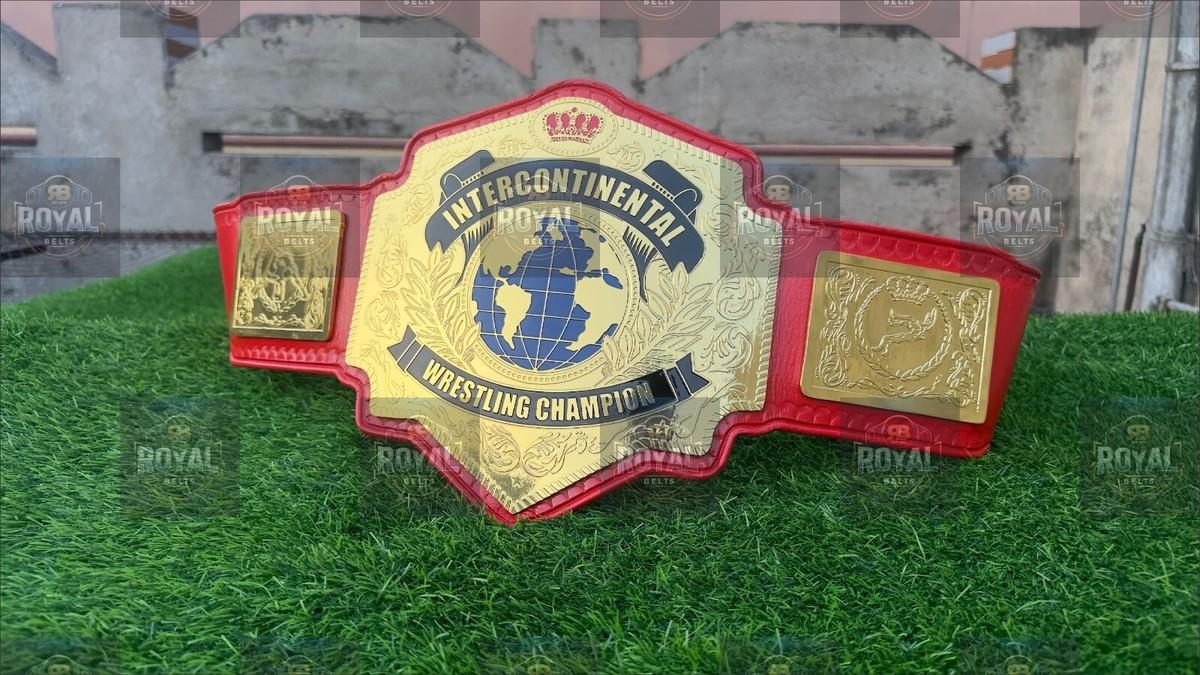
There’s a moment at the end of every fantasy football season that feels oddly familiar. The trash talk fades. The group chat goes quiet. Someone wins, someone sulks, and a cheap plastic trophy gets handed over like an afterthought. It technically marks victory, sure—but it rarely feels like one. That’s where the idea of a fantasy football championship belt quietly changes the entire experience.
For people who’ve spent years in the same league, arguing trades, celebrating waiver-wire miracles, and losing sleep over Monday night games, winning deserves more than a dusty cup. It deserves something that carries weight, both literally and emotionally. And that’s exactly what a championship belt does in a way no ordinary trophy ever quite manages.
Why Traditional Trophies Fall Flat Over Time
Most fantasy leagues start with good intentions. Someone orders a trophy online—gold-colored plastic, maybe a football figure on top. It looks decent the first year. By year three, it’s chipped. By year five, no one remembers who even bought it. The trophy sits on a shelf for a season, then ends up in a closet or, worse, a garage.
The problem isn’t the trophy itself. It’s what it represents. Or rather, what it fails to represent.
Fantasy football isn’t just a game. It’s an ongoing relationship between friends, siblings, coworkers, or even fathers and sons. A static trophy doesn’t reflect the ongoing drama, rivalries, or bragging rights that make the league meaningful. It marks an ending when fantasy football culture is really about continuity.
A championship belt flips that dynamic. It’s not meant to sit still. It’s meant to be worn, displayed, carried, and defended.
The Emotional Weight of Wearing the Win
There’s something deeply human about wearing victory instead of placing it on a shelf. When someone straps on a championship belt, it changes posture, tone, and presence. It’s playful, sure—but it’s also powerful.
Wearing a belt does what trophies never quite manage: it invites participation. Suddenly, the win isn’t quiet or polite. It’s visible. It sparks reactions. Friends want to take photos with it. Losers feel the sting just a little more. Winners feel justified in their confidence.
This matters because fantasy football thrives on emotion. The belt becomes a symbol of earned dominance, not just seasonal luck. It says, “I didn’t just win—I ruled.”
A Shared Object That Strengthens Group Identity
One of the underrated things about a championship belt is that it doesn’t belong to one person forever. It moves. It travels. It passes hands year after year. Over time, it becomes part of the league’s shared history.
Think about what happens after a few seasons. The belt starts to carry stories:
-
The year someone won despite drafting terribly.
-
The comeback season after finishing last the year before.
-
The sibling rivalry that finally tilted one way.
Every scuff, every engraving, every photo adds to its character. A basic trophy doesn’t evolve like that. A belt does, because it’s handled, worn, and celebrated in real moments.
That shared ownership builds a sense of tradition, which is rare and valuable in adult friendships. The belt becomes a reason to keep the league alive year after year, even when schedules get busy and enthusiasm dips.
Why Belts Speak to Modern Gifting Culture
There’s a shift happening in how people think about gifts—especially among men. Experiences and meaning now matter more than generic objects. A championship belt fits right into that mindset.
Whether it’s a gift from a league commissioner, a group purchase among friends, or even something a parent gives to a son who runs a long-standing league, the belt communicates thoughtfulness without sentimentality. It doesn’t say, “Here’s something nice.” It says, “I understand what this league means to you.”
That distinction is important. Men, especially, tend to value gifts that reflect identity and achievement rather than decoration. A belt hits that note cleanly. It’s bold without being flashy. Meaningful without being emotional in an awkward way.
How a Championship Belt Changes League Behavior
Here’s something people don’t expect: introducing a belt often raises the level of competition.
When the prize is laughably small, people stop caring by midseason. Lineups go unchecked. Trades feel random. The league slowly loses its edge. But when there’s a belt on the line—something that will be paraded around for a full year—people stay engaged.
They check injury reports more closely. They argue trades harder. They show up on draft day ready. The belt doesn’t just reward effort; it demands it.
This creates a healthier league culture overall. Active participation becomes the norm, not the exception. And over time, the belt becomes a quiet accountability tool that keeps everyone invested.
The Subtle Psychology of Public Recognition
There’s a reason belts have been used in combat sports, wrestling, and competitive arenas for decades. They’re designed for public recognition. A belt doesn’t just acknowledge a win—it announces it.
In fantasy football, that public element matters more than people admit. It’s not about ego; it’s about shared acknowledgment. Wearing the belt at a draft party or league meetup creates a moment of recognition that everyone understands instantly. No explanation needed.
That kind of recognition strengthens social bonds. Even the losers appreciate the clarity of it. There’s no ambiguity about who won. The belt settles the argument without words.
When a Belt Becomes Part of Personal Identity
Over time, winners often associate specific seasons of their life with the year they held the belt. Maybe it was during a stressful job change. Maybe it coincided with a big personal milestone. The belt becomes a marker of that chapter.
This is where ordinary trophies really fall behind. They’re too generic to attach meaning to. A belt, by contrast, becomes part of someone’s story. It shows up in photos, jokes, and memories. Years later, people remember who held the belt, not just who technically won.
That sense of identity is why belts tend to stick around emotionally, long after leagues end or people move on.
Why Sons, Brothers, and Friends See Belts Differently
From a relationship perspective, championship belts often land especially well with sons, brothers, and close friends. There’s a playful masculinity to it that feels earned rather than forced.
For a son running a league with friends, receiving or winning a belt feels like recognition of leadership and competence. For brothers in a competitive league, it adds fuel to rivalry without crossing into hostility. For longtime friends, it becomes a shared symbol of continuity—even as adult responsibilities pile up.
This makes the belt more than a prize. It becomes a relationship anchor. Something that keeps people connected through shared ritual and competition.
The Physical Presence Matters More Than You Think
A belt has weight. Texture. Shine. When you hold it, it feels substantial. That physical presence matters because fantasy football is otherwise entirely digital. Drafts happen online. Scores update on phones. Wins feel abstract.
The belt brings the experience back into the physical world. It grounds the season in something tangible. When the champion holds it, the victory feels real in a way a digital badge or cheap trophy never quite does.
This tactile element adds depth to the win, making it more satisfying and memorable.
Tradition Without Taking It Too Seriously
One of the best things about a fantasy football championship belt is that it balances seriousness with humor. It’s dramatic without being pretentious. Everyone knows it’s a game—but everyone also knows the pride is real.
That balance keeps leagues fun. The belt invites jokes, photos, and exaggeration, but it also commands respect. You can laugh while still caring. That’s a hard balance to strike, and belts manage it naturally.
Over time, the belt becomes a tradition people look forward to, not because it’s formal, but because it’s familiar.
Why Belts Outlast Trends and Gimmicks
Fantasy football trends come and go. Rule changes. App features. League formats. But symbolic rewards tend to last when they’re simple and meaningful.
A championship belt doesn’t rely on novelty. It relies on symbolism that’s been understood for generations: the idea of a reigning champion. That’s why belts don’t feel dated after a few seasons. They age well, gaining character instead of losing relevance.
Long after a quirky trophy feels outdated, the belt still feels right.
When the Belt Becomes a Storytelling Device
Every league has its legends. The unexpected champion. The dynasty run. The heartbreaking near-miss. The belt becomes the physical object around which those stories are told.
People don’t say, “Remember that season?” They say, “Remember when he had the belt?” That shorthand shows how deeply the object integrates into league culture.
Storytelling is how groups maintain identity over time. The belt quietly supports that process year after year.
The Second Time It Shows Up Matters Just as Much
By the time the belt makes its second or third appearance in the league, its value multiplies. People understand what it represents. They know what it means to hold it—and what it feels like to lose it.
That anticipation transforms the season itself. The belt becomes a silent presence from Week 1 onward. Everyone plays knowing exactly what’s at stake.
This is where the fantasy football championship belt fully separates itself from any ordinary trophy. It doesn’t just mark the end of a season. It shapes the entire journey.
Why the Belt Feels Earned, Not Given
There’s a subtle but important difference between receiving a prize and claiming one. Trophies are often handed over politely. Belts are taken, worn, and defended.
That sense of ownership matters psychologically. The champion doesn’t just receive recognition; they assume a role. Reigning champion. Target. Benchmark.
That role adds narrative tension to the following season. Everyone wants to take the belt away. That ongoing challenge keeps leagues alive and competitive.
A Quiet Upgrade That Changes Everything
What makes a championship belt special isn’t flash or novelty. It’s alignment. It aligns with how people actually experience fantasy football: emotionally, socially, and competitively.
It respects the time invested. It honors the relationships involved. And it creates a living tradition instead of a static object.
Once a league introduces a belt, going back to an ordinary trophy feels like a downgrade—not because trophies are bad, but because they’re incomplete.
The belt doesn’t just celebrate the winner. It elevates the entire league.
You have not enough Humanizer words left. Upgrade your Surfer plan.

 English
 Arabic
 French
 Spanish
 Portuguese
 Turkish
 Dutch
Dutch
 Italiano
 Russian
 Romaian
 Portuguese (Brazil)
 Greek
Greek
