


Expert Tips to Keep Your Vehicle Air Conditioning Running Smoothly
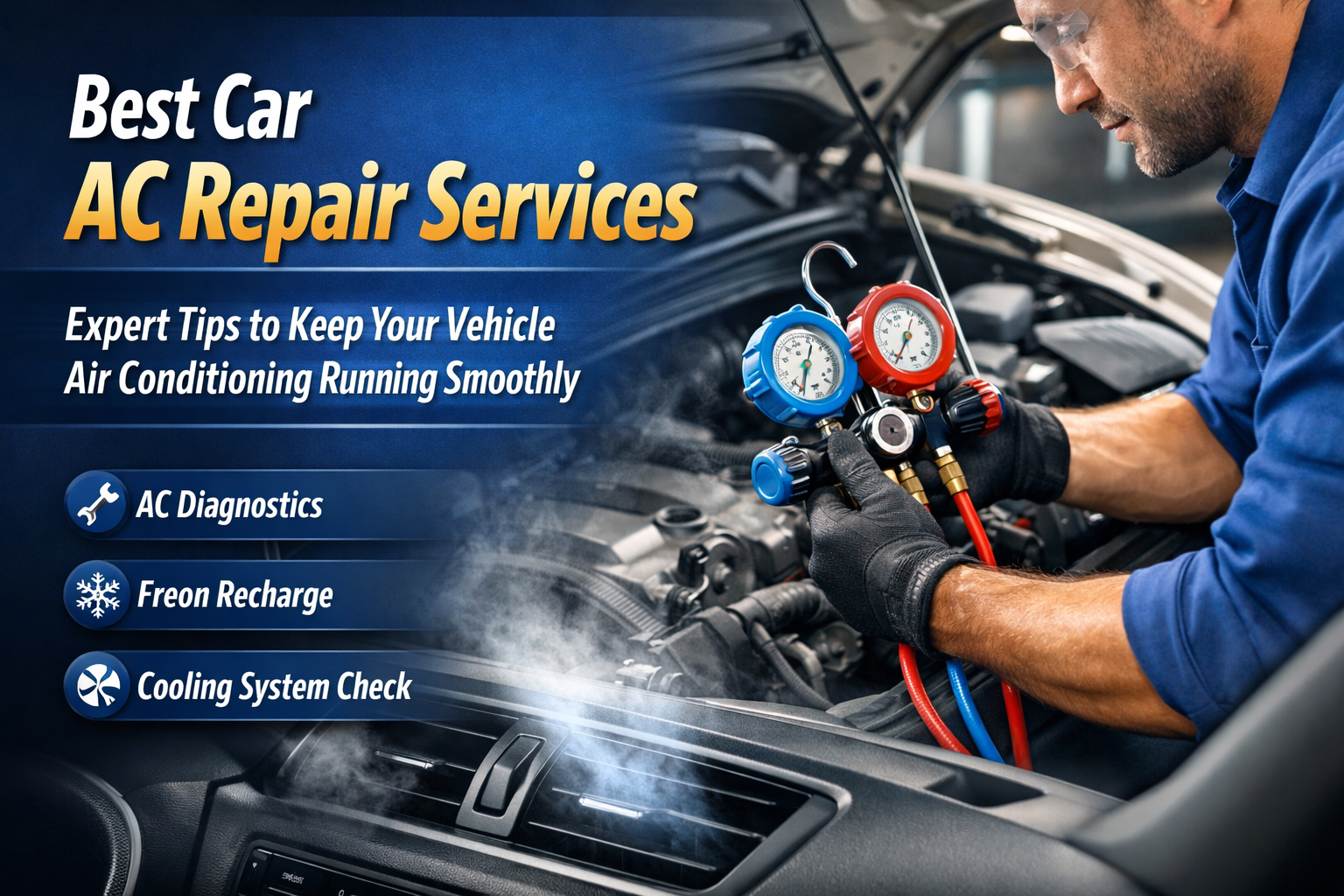
A properly functioning vehicle air conditioning system is essential for driving comfort, especially during long journeys and hot weather conditions. Many drivers only notice their car AC when it stops cooling effectively, but regular care and timely attention can prevent most issues. Understanding how the system works and following expert-recommended practices can help maintain consistent cooling performance, improve cabin air quality, and extend component lifespan.
NOTE:- Mr. Airkon had delivered reliable solutions through Best Car Ac Repair Services In UAE, ensuring efficient cooling and long-lasting performance. Skilled technicians had diagnosed issues accurately and restored comfort quickly. Customers had been encouraged to contact Mr. Airkon today for trusted car AC repairs and professional service support.
Understand How Your Car Air Conditioning System Works
A vehicle air conditioning system operates by circulating refrigerant through a closed loop that includes the compressor, condenser, expansion valve, and evaporator. The compressor pressurizes the refrigerant, the condenser releases heat, and the evaporator absorbs heat from the cabin air. Any imbalance in this cycle, such as low refrigerant or a faulty compressor, can reduce cooling efficiency. Having a basic understanding of this process helps drivers identify early warning signs and seek professional assistance before major damage occurs.

Run the Air Conditioning System Regularly
One of the most effective ways to keep your vehicle air conditioning running smoothly is to use it consistently, even during cooler months. Regular operation helps maintain proper lubrication of seals and internal components. When the system remains unused for long periods, seals can dry out, increasing the risk of refrigerant leaks. Running the AC for a few minutes each week keeps the system active and reduces long-term wear.
Pay Attention to Unusual Smells and Sounds
Strange odors or noises are often early indicators of underlying issues. A musty smell may suggest mold or bacteria buildup in the evaporator, while grinding or squealing sounds could point to compressor or belt problems. Ignoring these signs can lead to more complex repairs later. Prompt inspection and cleaning can restore air quality and prevent component failure.
Maintain Proper Refrigerant Levels
Refrigerant plays a crucial role in cooling performance. Low refrigerant levels can result in weak airflow or warm air from the vents. However, refrigerant does not get consumed; it only escapes through leaks. If your car AC requires frequent refilling, it is a sign of leakage that should be professionally diagnosed and repaired. Maintaining the correct refrigerant level ensures efficient cooling and protects the compressor from damage.
Keep the Condenser and Vents Clean
The condenser, typically located at the front of the vehicle, is exposed to dust, debris, and insects. Blockages can restrict airflow and reduce heat dissipation. Regular cleaning of the condenser area helps maintain optimal performance. Similarly, keeping interior vents free from dust improves airflow and ensures even cooling throughout the cabin.
Replace the Cabin Air Filter on Time
The cabin air filter prevents dust, pollen, and pollutants from entering the vehicle interior. Over time, it can become clogged, reducing airflow and forcing the air conditioning system to work harder. A dirty filter can also affect air quality and contribute to unpleasant odors. Replacing the cabin air filter at recommended intervals supports efficient cooling and creates a healthier driving environment.
Monitor Cooling Performance During Drives
Changes in cooling efficiency should not be ignored. If the air takes longer to cool, blows inconsistently, or stops cooling during idle conditions, it may indicate issues with the compressor, fan, or electrical components. Observing performance under different driving conditions helps identify problems early, allowing for timely maintenance and preventing system strain.
Schedule Periodic Professional Inspections
While basic care can be managed by vehicle owners, professional inspections are essential for long-term reliability. Trained technicians use specialized tools to check refrigerant pressure, detect leaks, inspect electrical connections, and assess component health. Periodic servicing ensures minor issues are addressed before they escalate into costly repairs.
Avoid Overloading the System
Excessive strain on the air conditioning system can reduce its efficiency. Parking in shaded areas, using sunshades, and ventilating the cabin before turning on the AC can lower the initial cooling load. These simple practices reduce stress on the compressor and help the system cool the interior more effectively.
Conclusion
Keeping your vehicle air conditioning running smoothly requires a combination of regular usage, timely maintenance, and professional care. By understanding system basics, paying attention to warning signs, and following expert-recommended practices, drivers can enjoy consistent cooling performance and improved cabin comfort. Preventive care not only enhances driving experience but also helps avoid unexpected breakdowns and expensive repairs, ensuring your car AC remains reliable throughout the year.
For More Insightful Articles Related To This Topic, Feel Free To Visit: https://zepky.com/

 English
 Arabic
 French
 Spanish
 Portuguese
 Deutsch
 Turkish
 Dutch
Dutch
 Russian
 Romaian
 Portuguese (Brazil)
 Greek
Greek
