


Precision Agriculture Benefits for Yield and Sustainability
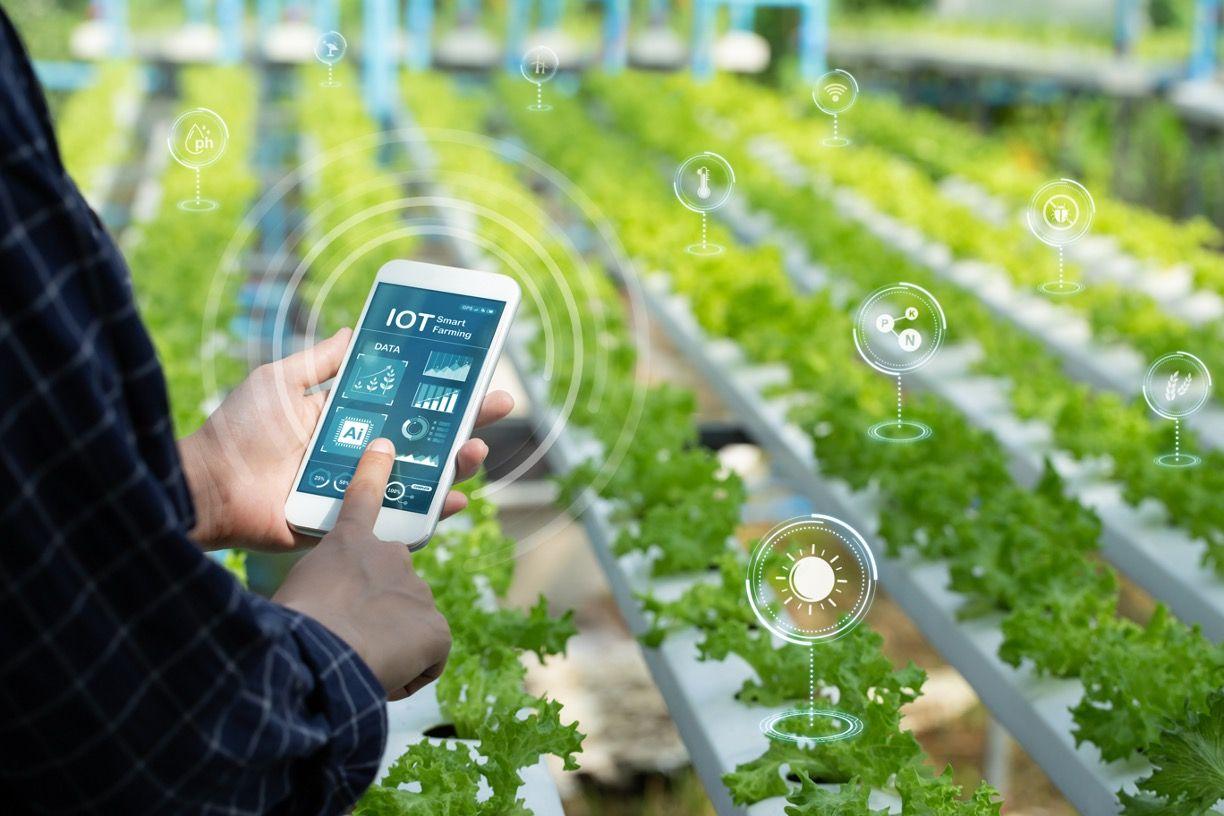
Agriculture IoT: Transforming Modern Farming Practices
The convergence of digital technology and agriculture is reshaping how food is grown, managed, and distributed worldwide. Agriculture IoT has moved beyond experimentation and is now a core component of farm operations, helping producers respond to climate variability, labor shortages, and rising demand for sustainable food. By embedding sensors, connectivity, and analytics into the field, farmers gain real-time visibility into crops, soil, and livestock, enabling faster and more informed decisions.
From Traditional Fields to Smart Farming Systems
At the heart of this transformation is smart farming, which replaces intuition-driven practices with data-backed strategies. Sensors installed in soil, weather stations, irrigation systems, and farm machinery continuously collect data on moisture levels, temperature, nutrient content, and equipment performance. This data is transmitted through IoT agriculture platforms and analyzed using cloud-based tools, giving farmers a clear picture of field conditions at any moment.
Precision agriculture plays a critical role here by allowing inputs such as water, fertilizers, and pesticides to be applied exactly where and when they are needed. Instead of treating entire fields uniformly, farmers can manage variability within plots, reducing waste while improving yields. As connectivity improves in rural areas and hardware costs decline, smart agriculture solutions are becoming accessible not only to large commercial farms but also to mid-sized and smallholders.
Data-Driven Efficiency and Sustainability Gains
One of the most significant trends in agriculture IoT is the focus on sustainability alongside productivity. Water scarcity and soil degradation are pressing global challenges, and connected farming systems directly address both. Smart irrigation solutions adjust watering schedules based on real-time soil moisture and weather forecasts, cutting water use without compromising crop health. Similarly, precision agriculture tools help reduce chemical runoff by optimizing fertilizer and pesticide application.
Livestock management is also benefiting from smart agriculture technologies. Wearable sensors and connected tags monitor animal health, movement, and feeding patterns. Early detection of illness reduces mortality rates and lowers veterinary costs, while improved tracking enhances food safety and traceability across the supply chain. These capabilities demonstrate how IoT agriculture is expanding beyond crops to support holistic farm management.
The rapid adoption of these technologies is reflected in strong market growth. According to Grand View Research, the global agriculture IoT market is expected to see steady expansion over the next decade, driven by rising demand for automation, increasing smartphone penetration among farmers, and government initiatives supporting digital agriculture. In practical terms, this outlook suggests that investments in connected sensors, farm management software, and analytics platforms will continue to accelerate.
This growth trajectory indicates that agriculture IoT solutions are no longer viewed as optional add-ons but as essential infrastructure for modern farming. As farms scale operations and face tighter margins, data-driven optimization becomes a competitive necessity rather than a technological luxury.
The Future of Smart Agriculture
Looking ahead, the future of smart farming lies in deeper integration of artificial intelligence with IoT systems. Advanced analytics will not only report current conditions but also predict pest outbreaks, yield outcomes, and market demand. Autonomous machinery, guided by precision agriculture data, is expected to handle tasks such as planting, weeding, and harvesting with minimal human intervention.
Interoperability is another emerging focus, as farmers seek unified platforms that connect machinery, sensors, and enterprise systems seamlessly. With improved standards and edge computing capabilities, smart agriculture ecosystems will deliver faster insights while reducing dependence on constant cloud connectivity.
In summary, agriculture IoT is redefining how farms operate by blending smart farming principles with precision agriculture techniques. Through IoT agriculture platforms, farmers gain actionable insights that improve efficiency, resilience, and sustainability. As adoption continues to rise and technologies mature, smart agriculture will play a central role in securing the global food supply while meeting environmental and economic challenges head-on.

 English
 Arabic
 French
 Spanish
 Portuguese
 Deutsch
 Turkish
 Dutch
Dutch
 Italiano
 Russian
 Romaian
 Greek
Greek
