


Mold Testing Guide for Homes and Indoor Air Safety
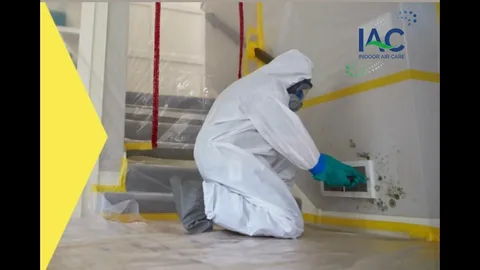
Mold is a common problem that can affect both residential and commercial properties. Often hidden behind walls, under carpets, or in damp areas, mold can grow unnoticed until it becomes a serious concern. This is where mold testing plays a crucial role. It helps identify the presence, type, and concentration of mold spores in indoor environments, ensuring a safe and healthy living space.
Understanding mold testing is essential for homeowners, tenants, and property managers alike. Whether you suspect mold growth or want to prevent future issues, proper testing provides clarity and direction for effective solutions.
What Is Mold Testing?
Mold testing is the process of analyzing air and surface samples to detect mold spores. It helps determine whether mold is present, the type of mold, and the severity of contamination. This process is typically carried out by professionals using specialized equipment.
There are two main types of mold testing:
Air Sampling
Air sampling measures the concentration of mold spores in the air. It helps identify airborne mold that may not be visible but can still affect indoor air quality.
Surface Sampling
Surface testing involves collecting samples from visible areas such as walls, ceilings, or furniture. This helps confirm mold growth and identify the specific species.
Why Is Mold Testing Important?
1. Protects Health
Mold exposure can lead to respiratory issues, allergies, skin irritation, and other health problems. Sensitive individuals, such as children and the elderly, are especially vulnerable.
2. Detects Hidden Mold
Not all mold is visible. Mold testing helps uncover hidden growth behind walls, under flooring, or inside HVAC systems.
3. Determines Severity
Testing helps assess the level of contamination, which is crucial for deciding the appropriate remediation strategy.
4. Prevents Structural Damage
Mold can weaken building materials over time. Early detection through mold testing helps prevent costly repairs.
Common Signs You Need Mold Testing
While mold testing can be done as a precaution, certain signs indicate an immediate need:
- Persistent musty odor
- Visible mold growth
- Water damage or leaks
- Increased allergy symptoms
- Discoloration on walls or ceilings
If you notice any of these signs, it’s advisable to conduct mold testing promptly.
Methods Used in Mold Testing
1. Spore Trap Sampling
This method collects airborne spores using a specialized device. The samples are then analyzed in a laboratory.
2. Swab Testing
A cotton swab is used to collect samples from surfaces. This is ideal for visible mold spots.
3. Tape Lift Sampling
Clear adhesive tape is used to lift mold samples from surfaces for microscopic examination.
4. Bulk Sampling
This involves removing a small piece of contaminated material for detailed analysis.
Each method serves a specific purpose and is chosen based on the situation.
When Should You Conduct Mold Testing?
Timing is important when it comes to mold testing. Consider testing in the following situations:
- After water damage or flooding
- Before buying or selling a property
- During unexplained health issues
- When there is visible mold growth
- After mold remediation to ensure effectiveness
Regular testing can also be part of routine home maintenance, especially in humid climates.
DIY vs Professional Mold Testing
DIY Mold Testing
Home testing kits are available and can provide basic insights. However, they often lack accuracy and detailed analysis.
Professional Mold Testing
Certified professionals use advanced equipment and laboratory analysis to deliver precise results. They also provide recommendations for remediation.
While DIY kits may be useful for initial checks, professional mold testing is more reliable and comprehensive.
What Happens After Mold Testing?
Once mold testing is complete, the results will guide the next steps:
- No Mold Detected: No action needed, but preventive measures are recommended.
- Low Levels of Mold: Minor cleaning and ventilation improvements may suffice.
- High Mold Levels: Professional mold remediation is required.
The goal is not just to remove mold but to address the underlying cause, such as moisture or poor ventilation.
How to Prevent Mold Growth
Prevention is always better than cure. Here are some practical tips:
- Keep indoor humidity below 50%
- Fix leaks promptly
- Ensure proper ventilation
- Use dehumidifiers in damp areas
- Clean and dry wet areas within 24–48 hours
By maintaining a dry and well-ventilated environment, you can significantly reduce the risk of mold growth.
Choosing a Reliable Mold Testing Service
When selecting a mold testing service, consider the following:
- Certification and experience
- Use of advanced testing methods
- Clear reporting and analysis
- Transparent pricing
- Positive customer reviews
A reliable service provider ensures accurate results and effective recommendations.
Learn More About Professional Mold Testing Services
If you are looking for expert assistance, professional services can provide detailed inspections and accurate testing results. For a comprehensive understanding of how mold testing works and what to expect, you can visit this page. Click here to explore reliable mold testing services and learn how experts can help ensure a safe indoor environment.
Conclusion
Mold testing is an essential step in maintaining a healthy and safe indoor environment. It helps detect hidden mold, assess contamination levels, and guide effective remediation. Whether you are dealing with visible mold or simply want peace of mind, testing provides valuable insights.
By understanding the importance of mold testing and taking preventive measures, you can protect your property and the well-being of those who live in it. Investing in professional mold testing is not just a precaution—it is a proactive step toward a healthier future.

 English
 Arabic
 French
 Spanish
 Portuguese
 Deutsch
 Turkish
 Dutch
Dutch
 Italiano
 Russian
 Romaian
 Greek
Greek
