


ATM Placement Strategy: How Location Impacts Usage and Revenue
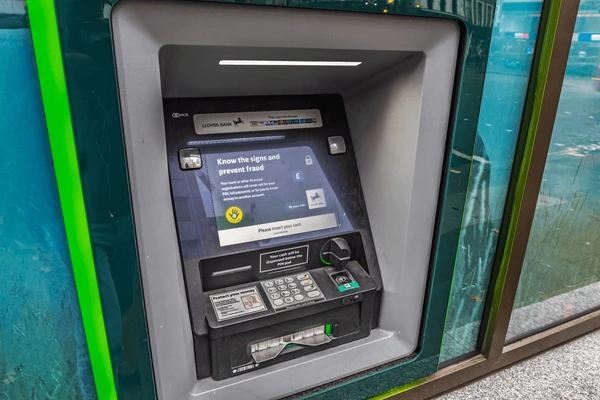
ATM placement plays a critical role in determining how frequently an ATM is used and how much value it generates. A well-placed ATM improves customer convenience, increases transaction volume, and enhances the overall experience at a location. Poor placement, however, can lead to low usage, security concerns, and operational challenges.
This article explains what ATM placement is, why it matters, and how businesses can choose effective ATM locations.
What Is ATM Placement?
ATM placement refers to the strategic selection and positioning of an automated teller machine within a specific location or environment. It involves evaluating visibility, accessibility, foot traffic, safety, and infrastructure to ensure the ATM is easy to use and secure.
Effective ATM placement focuses on both user behavior and operational efficiency.
Why ATM Placement Is Important
The success of an ATM depends heavily on where it is installed. Proper placement helps achieve:
-
Higher transaction volume
-
Improved customer access to cash
-
Better visibility and usage
-
Reduced security risks
-
Long-term operational reliability
An ATM that is difficult to find or inconvenient to access is less likely to be used, regardless of demand.
Key Factors That Influence ATM Placement
Foot Traffic
High-traffic areas such as retail stores, shopping centers, and transportation hubs tend to generate more ATM usage.
Visibility
ATMs should be clearly visible from main walkways or entrances. Poor visibility often leads to lower transaction counts.
Accessibility
Placement should allow easy access for all users, including sufficient space around the machine for safe operation.
Security
Well-lit areas with surveillance coverage help deter theft and improve user confidence.
Proximity to Power and Connectivity
Reliable electrical and network access is essential for uninterrupted ATM operation.
Common Locations for ATM Placement
ATMs are typically placed in locations where people frequently need access to cash, such as:
-
Retail stores and supermarkets
-
Hotels and hospitality venues
-
Office buildings
-
Gas stations
-
Shopping malls
-
Entertainment and event venues
Each environment requires placement decisions tailored to user flow and space constraints.
Indoor vs Outdoor ATM Placement
Indoor ATM Placement
-
Controlled access and better security
-
Protection from weather conditions
-
Common in stores and offices
Outdoor ATM Placement
-
Accessible 24/7
-
Higher visibility from the street
-
Requires weather-resistant equipment and stronger security
The choice depends on customer access needs and location conditions.
Best Practices for Effective ATM Placement
-
Position the ATM near entrances or checkout areas
-
Ensure adequate lighting and clear signage
-
Avoid hidden corners or obstructed views
-
Maintain enough space for users to stand comfortably
-
Align placement with security camera coverage
These practices improve usability and transaction frequency.
Challenges in ATM Placement
Some common challenges include:
-
Limited space in high-traffic areas
-
Security risks in open locations
-
Network connectivity limitations
-
Local regulations or property restrictions
Addressing these challenges during planning helps prevent operational issues later.
How ATM Placement Affects User Experience
ATM placement directly influences how customers perceive convenience and safety. Easy-to-find, well-lit ATMs encourage use and repeat visits. When customers feel secure and comfortable, they are more likely to trust and use the machine regularly.
The Role of Planning in ATM Placement Success
Successful ATM placement requires careful planning rather than guesswork. Evaluating traffic patterns, customer behavior, and infrastructure ensures that the ATM delivers consistent value over time.
A data-driven approach leads to better outcomes for both users and businesses.
Final Thoughts
ATM placement is more than choosing a physical spot—it is a strategic decision that affects usability, security, and transaction performance. By understanding the factors that influence placement and applying best practices, businesses can ensure their ATM serves customers effectively and operates reliably.
Thoughtful ATM placement supports long-term success and enhances overall customer convenience.

 English
 Arabic
 French
 Spanish
 Deutsch
 Turkish
 Dutch
Dutch
 Italiano
 Russian
 Romaian
 Portuguese (Brazil)
 Greek
Greek
