


The Ultimate Guide TO Stall Sanitation IN Modern Dairy Farming
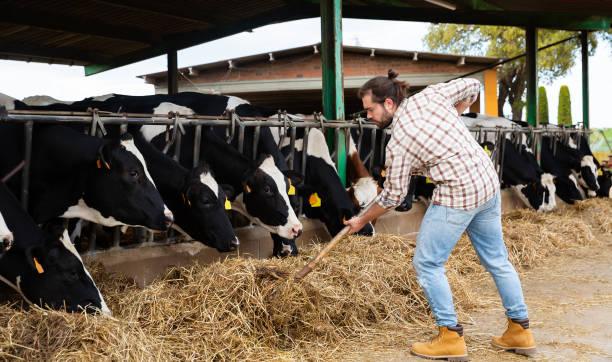
Why Stall Sanitation Matters in Dairy Farming
In modern dairy farming, stall sanitation is no longer just a routine task; it is a critical factor that directly influences herd health, milk quality, and overall farm profitability. Clean and well-maintained stalls reduce the risk of disease, improve cow comfort, and create a healthier production environment.
Poor sanitation has measurable consequences. Research shows that inadequate hygiene in dairy housing can increase the risk of mastitis by up to 50%, making it one of the most costly and preventable issues in dairy operations. Additionally, farms with better hygiene standards consistently report lower somatic cell counts and higher milk yields.
As dairy farms scale and efficiency become a priority, adopting advanced sanitation practices supported by solutions from Klean Farm Solutions is essential for sustainable success.
Understanding Stall Sanitation: More Than Just Cleaning
Stall sanitation goes beyond simply removing visible dirt. It involves a combination of cleaning, sanitizing, and disinfecting to control harmful pathogens.
- Cleaning removes organic matter such as manure and bedding residue
- Sanitizing reduces microbial load to safer levels
- Disinfecting eliminates disease-causing organisms
Bacteria thrive in moist, organic environments commonly found in livestock stalls. Without proper sanitation, pathogens multiply rapidly, increasing the risk of infections such as mastitis and hoof diseases.
Effective stall sanitation requires consistency. Occasional deep cleaning is not enough—daily hygiene routines are necessary to maintain a safe environment.
Key Risks of Poor Stall Sanitation
Neglecting stall hygiene can have widespread consequences across the entire dairy operation.
Dirty stalls are strongly linked to mastitis, lameness, and respiratory infections, all of which reduce productivity and increase treatment costs. Mastitis alone is estimated to cost dairy farmers $150–$300 per cow annually, depending on severity and management practices.
Major Risks Include:
- Increased bacterial contamination in stalls
- Higher somatic cell counts and reduced milk quality
- Greater antibiotic usage and veterinary costs
- Reduced cow comfort and increased stress
Maintaining proper sanitation is not just about cleanliness it is about protecting the economic viability of the farm.
Core Components of Effective Stall Sanitation
A successful sanitation strategy combines multiple elements that work together to create a clean and controlled environment.
Daily cleaning routines are essential for removing manure and organic buildup that serve as breeding grounds for bacteria. Proper waste management systems help ensure that manure is removed efficiently and consistently. Moisture control is equally important, as wet conditions promote bacterial growth and increase ammonia levels, which can harm both animals and workers.
Ventilation also plays a critical role. Proper airflow reduces humidity and helps maintain a dry environment, making it harder for pathogens to survive.
When these components are managed together, they create a strong foundation for effective stall sanitation.
Bedding Management and Its Role in Hygiene
Bedding is one of the most important factors influencing stall cleanliness and cow health. The choice of bedding material and how it is maintained can significantly impact bacterial growth.
Clean, dry bedding helps minimize exposure to harmful pathogens. Sand is often preferred due to its low bacterial load, while organic materials require more frequent replacement to maintain hygiene.
Key considerations for bedding management include:
- Keeping bedding dry at all times
- Replacing or refreshing materials regularly
- Preventing moisture accumulation
- Ensuring even distribution for cow comfort
Studies have shown that cows housed in clean, dry bedding environments experience significantly lower rates of mastitis compared to those in poorly maintained stalls.
Cleaning and Disinfection Protocols
Consistency is the backbone of effective sanitation. A structured cleaning and disinfection routine ensures that pathogens are controlled at every stage.
A typical sanitation workflow includes removing manure and debris, washing surfaces, applying disinfectants, and allowing adequate drying time. Choosing the right disinfectant is crucial, as not all products are effective against the same pathogens.
Routine cleaning should be complemented by periodic deep cleaning to eliminate accumulated residues and biofilms. Farms that implement consistent sanitation protocols often report improved herd health and reduced disease outbreaks.
Smart Stall Sanitation Solutions with Klean Farm Solutions
Modern dairy farms require more than manual cleaning they need efficient, scalable, and reliable sanitation systems. Klean Farm Solutions provides advanced products designed to simplify hygiene management while improving results.
These solutions are developed to address real-world farm challenges, including high organic loads, time constraints, and the need for consistent sanitation across large operations.
Key Benefits Include:
- Enhanced pathogen control across stalls and equipment
- Reduced labor and operational complexity
- Improved hygiene consistency
- Support for farm biosecurity programs
By integrating innovative sanitation technologies, dairy farmers can move from reactive cleaning to proactive hygiene management.
Featured Product: Klean Wipes™ Ready-to-Use Sanitizing & Deodorizing Wipes
An effective stall sanitation strategy often depends on having the right tools for quick and consistent cleaning. One such solution offered by Klean Farm Solutions is Klean Wipes™ Ready-to-Use Sanitizing & Deodorizing Wipes.
These wipes are designed for fast, convenient sanitation in high-contact areas, making them ideal for dairy environments where hygiene must be maintained continuously throughout the day.
Why Klean Wipes™ Stand Out
Unlike reusable cloths that can spread bacteria, Klean Wipes™ provide a more controlled and hygienic solution. They are pre-treated with sanitizing agents, allowing farmers and staff to clean surfaces, equipment, and even hands quickly without additional preparation.
Their durable and absorbent design ensures effective removal of dirt, organic matter, and microbes, while their deodorizing properties help maintain a fresher barn environment.
Practical Applications on Dairy Farms
Klean Wipes™ can be used across multiple sanitation points, including:
- Cleaning stall surfaces and partitions
- Wiping down milking equipment between uses
- Maintaining hygiene in high-touch areas
- Supporting pre- and post-milking cleanliness
By incorporating such ready-to-use products into daily routines, farms can significantly reduce cross-contamination risks and maintain higher hygiene standards with minimal effort.
Automation and Technology in Stall Sanitation
Technology is transforming how dairy farms manage sanitation. Automated cleaning systems, sensors, and smart monitoring tools are helping farmers maintain consistent hygiene with less manual effort.
Automated manure scrapers, for example, ensure regular waste removal, while environmental sensors can monitor humidity and temperature levels in real time. These innovations allow for better decision-making and more efficient sanitation workflows.
As farms continue to adopt smart technologies, stall sanitation is becoming more precise, data-driven, and effective.
Training Farm Staff for Consistent Sanitation
Even the best systems require proper execution. Staff training is essential to ensure that sanitation protocols are followed consistently.
Workers should be trained in cleaning procedures, proper use of disinfectants, and early detection of hygiene-related issues. Clear standard operating procedures (SOPs) help maintain consistency across all shifts and reduce the risk of errors.
When staff understand the importance of sanitation and follow established protocols, the entire operation benefits from improved hygiene and productivity.
Long-Term Benefits of Proper Stall Sanitation
Investing in stall sanitation delivers long-term returns that go beyond disease prevention.
Clean environments contribute to higher milk yields, improved product quality, and better animal welfare. Reduced disease incidence leads to lower veterinary costs and decreased reliance on antibiotics, supporting more sustainable farming practices.
Ultimately, stall sanitation is a key driver of efficiency and profitability in modern dairy operations.
Common Stall Sanitation Mistakes to Avoid
Despite best intentions, some common mistakes can undermine sanitation efforts.
These include infrequent cleaning, poor moisture control, inconsistent use of disinfectants, and neglecting bedding hygiene. Addressing these issues requires a proactive approach and a commitment to continuous improvement.
Building a Cleaner, More Productive Dairy Farm
Effective stall sanitation is the foundation of a successful dairy operation. By combining consistent hygiene practices, proper bedding management, and advanced solutions from Klean Farm Solutions, farmers can create a cleaner, safer environment for their herds.
As the industry continues to evolve, adopting modern sanitation strategies is no longer optional it is essential for maintaining competitiveness, ensuring animal welfare, and achieving long-term profitability.
FAQs Section:
1. What is stall sanitation in dairy farming?
It refers to cleaning, disinfecting, and maintaining livestock stalls to reduce contamination and improve herd health.
2. How often should dairy stalls be cleaned?
Stalls should be cleaned daily, with deeper sanitation performed regularly.
3. What is the best bedding for stall hygiene?
Sand is often preferred due to its low bacterial growth, but proper maintenance is key for any material.
4. How does stall sanitation prevent mastitis?
It reduces bacterial exposure, lowering the risk of udder infections.
5. What products improve stall sanitation efficiency?
Advanced hygiene solutions like disinfectants, water treatments, and ready-to-use wipes enhance sanitation effectiveness.

 English
 French
 Spanish
 Portuguese
 Deutsch
 Turkish
 Dutch
Dutch
 Italiano
 Russian
 Romaian
 Portuguese (Brazil)
 Greek
Greek
