


The Historical Controversies Between Coffee and Religious Authorities
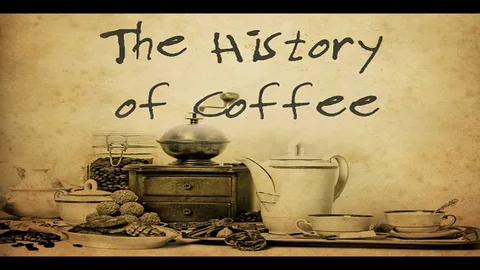
Discover coffee's controversial history with religion. From bans in Mecca to papal blessings, explore how coffee overcame resistance to become a cultural and spiritual icon.
The Historical Controversies Between Coffee and Religious Authorities
Coffee, now celebrated as a cultural staple, once stirred heated debates and even outright bans from religious authorities. Its energizing effects and social role challenged religious norms and provoked philosophical and moral concerns. This blog explores the tumultuous relationship between coffee and religious institutions, highlighting the key controversies and how coffee ultimately found its place in the world of faith and society.
Coffee's Tumultuous Introduction To The Islamic World
Coffee's journey began in the 15th century in the Arab world, where its stimulating effects were highly valued. Sufi mystics in Yemen were among the first to incorporate coffee into their spiritual practices, using it to sustain their extended dhikr (remembrance of God) rituals. Coffeehouses, or Khanh, soon became hubs for social and intellectual gatherings..
However, coffee attracted scrutiny from Islamic authorities. In 1511, Khair Beg, the governor of Mecca, banned coffee, labeling it an intoxicant similar to alcohol. Clerics feared coffeehouses encouraged dissent and undermined authority.
This ban was short-lived. The Ottoman Sultan, an avid coffee enthusiast, overturned it, declaring coffee permissible under Islamic law. This decision allowed coffee to flourish across the Islamic world, transforming it into a symbol of culture and hospitality.
The Catholic Church And The “Devil's Drink”
When coffee arrived in Europe in the 17th century, it was met with a mixture of fascination and fear. It's dark appearance, bitter taste, and invigorating effects led many Catholics to dub it the “Devil's Drink.” Adding to the suspicion was its association with the Islamic world, as coffee had been introduced to Europe through the Ottoman Empire.
The debate reached the highest levels of the Catholic Church, with calls for Pope Clement VIII to ban the beverage. Instead of dismissing it outright, the pope insisted on tasting it himself. According to legend, he found the beverage so delightful that he declared, “This Satan's drink is so delicious that it would be a pity to let the infidels have exclusive use of it.” With this papal endorsement, coffee was no longer considered a threat, and its popularity exploded across Europe.
Protestant Concerns And The Swedish Coffee Experiment
In Protestant regions, coffeehouses were viewed with suspicion for different reasons. These establishments became hubs for intellectual discussions and political debates, sometimes challenging religious doctrines and societal norms. Religious leaders worried that the rise of coffee culture might undermine traditional religious practices.
A notable example of coffee skepticism comes from 18th-century Sweden. King Gustav III, influenced by Protestant advisors, sought to determine whether coffee was a threat to public health and morality. He conducted an experiment involving two prisoners, one sentenced to drink coffee daily and the other tea, under medical and religious observation. Ironically, both prisoners outlived the king, leaving the experiment inconclusive but underscoring the enduring controversies surrounding coffee.
From Rejection To Acceptance: Coffee's Redemption
Despite its early struggles, coffee gradually gained acceptance in both Islamic and Christian societies. Religious leaders who once opposed the drink began to recognize its ability to enhance focus and productivity, particularly in spiritual contexts. In the Middle East, coffee became synonymous with hospitality and was integrated into religious ceremonies. In Europe, coffeehouses evolved into spaces for community and philosophical dialogue.
Today, coffee is celebrated as a symbol of connection and unity. Churches hold coffee fellowship hours, mosques serve it during gatherings, and it remains an integral part of Ethiopian Orthodox ceremonies. What was once labeled as controversial has now become an essential part of religious and cultural traditions.
Conclusion
The controversies between coffee and religious authorities reflect its complex journey from a forbidden drink to a global unifier. From bans in Mecca to papal blessings and Protestant experiments, coffee overcame resistance to become a cherished part of religious and cultural life.
As you savor your next cup, consider its remarkable history—a tale of defiance, acceptance, and transformation. Coffee is more than a beverage; it's a symbol of resilience, adaptability, and the shared human experience. Let this story inspire you: celebrate the spirit of Mutombo Coffee by sharing its legacy with someone new, exploring its origins, or creating your tradition. Start your journey with the next sip!

 English
 Arabic
 French
 Spanish
 Deutsch
 Turkish
 Dutch
Dutch
 Italiano
 Russian
 Romaian
 Portuguese (Brazil)
 Greek
Greek
