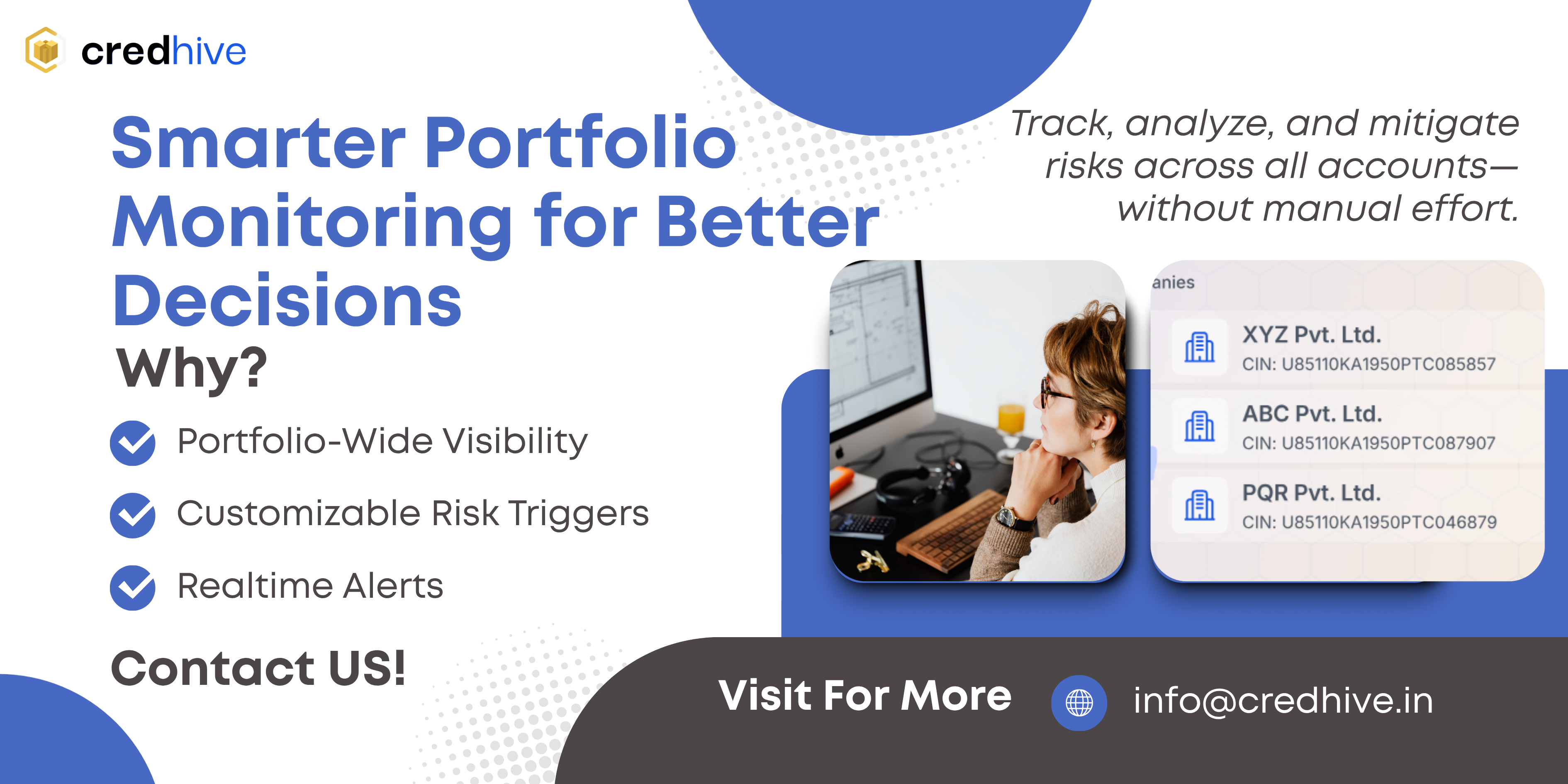
In an ever-changing financial landscape, making informed decisions requires more than just selecting the right investments. Continuous Portfolio Monitoring is essential to ensure that assets perform as expected and risks are effectively managed.
Whether you are a financial institution, investor, or business, portfolio monitoring helps you stay aligned with your financial goals while adapting to market changes. This practical guide explains the key concepts, processes, and best practices for effective portfolio monitoring.
What is Portfolio Monitoring?
Portfolio Monitoring is the ongoing process of tracking, analyzing, and managing a collection of financial assets such as loans, investments, or securities. It involves evaluating performance, assessing risks, and making necessary adjustments to optimize outcomes.
Unlike periodic reviews, portfolio monitoring is continuous and proactive, enabling timely responses to changes in market conditions or borrower behavior.
Importance of Portfolio Monitoring
1. Performance Tracking
Regular monitoring helps measure whether investments are achieving expected returns and meeting benchmarks.
2. Risk Management
Identifying risks such as credit exposure, market volatility, or concentration risk allows for timely intervention.
3. Goal Alignment
Financial objectives may evolve over time, and monitoring ensures the portfolio remains aligned with these goals.
4. Data-Driven Decisions
Access to real-time insights enables better and more informed decision-making.
Key Steps in Portfolio Monitoring
1. Define Objectives and KPIs
Start by setting clear financial goals, risk tolerance, and key performance indicators (KPIs). These metrics help evaluate success and guide decision-making.
2. Collect and Integrate Data
Gather data from various sources such as financial reports, market trends, and credit information. Integrating this data provides a comprehensive view of the portfolio.
3. Analyze Performance
Evaluate the performance of individual assets and the overall portfolio. Identify underperforming assets and areas for improvement.
4. Assess Risks
Analyze different types of risks, including market risk, credit risk, and operational risk. Understanding these risks helps in developing mitigation strategies.
5. Rebalance the Portfolio
Adjust asset allocation by buying or selling assets to maintain the desired balance and optimize returns.
6. Reporting and Visualization
Use dashboards and reports to present key insights in a clear and structured format. This improves understanding and decision-making.
7. Continuous Monitoring
Portfolio monitoring is an ongoing process. Regular reviews ensure that the portfolio adapts to changing conditions.
Tools and Technologies for Portfolio Monitoring
1. Portfolio Management Software
Modern tools provide real-time tracking, analytics, and automated reporting.
2. Data Analytics Platforms
Advanced analytics help identify trends, forecast performance, and improve decision-making.
3. Automation and Alerts
Automated alerts notify stakeholders of significant changes, enabling quick action.
Benefits of Effective Portfolio Monitoring
1. Improved Returns
Continuous tracking and adjustments help optimize investment performance.
2. Reduced Risk
Early identification of risks minimizes potential losses.
3. Enhanced Transparency
Clear insights into portfolio performance improve confidence and accountability.
4. Better Strategic Planning
Data-driven insights support long-term financial planning and growth.
Challenges in Portfolio Monitoring
1. Data Overload
Managing large volumes of data can make it difficult to focus on key insights.
2. Market Volatility
Rapid changes in market conditions can impact portfolio performance.
3. Integration Issues
Combining data from multiple sources may require advanced tools and expertise.
Best Practices for Portfolio Monitoring
- Set Clear KPIs: Define measurable performance indicators.
- Leverage Technology: Use modern tools for efficient tracking and analysis.
- Diversify Investments: Spread risk across different asset classes.
- Review Regularly: Conduct periodic assessments to stay updated.
- Act Proactively: Respond quickly to risks and opportunities.
Conclusion
A structured approach to Portfolio Monitoring is essential for achieving better financial outcomes and managing risks effectively. By continuously tracking performance, analyzing risks, and making informed adjustments, investors and organizations can optimize their portfolios and achieve long-term success.
In a dynamic financial environment, adopting a proactive and technology-driven portfolio monitoring strategy is key to staying competitive and ensuring sustainable growth.




 English
 French
 Spanish
 Portuguese
 Deutsch
 Turkish
 Dutch
Dutch
 Italiano
 Russian
 Romaian
 Portuguese (Brazil)
 Greek
Greek
