


How to Design a Custom Alarm System for Your Home: Step-by-Step Guide
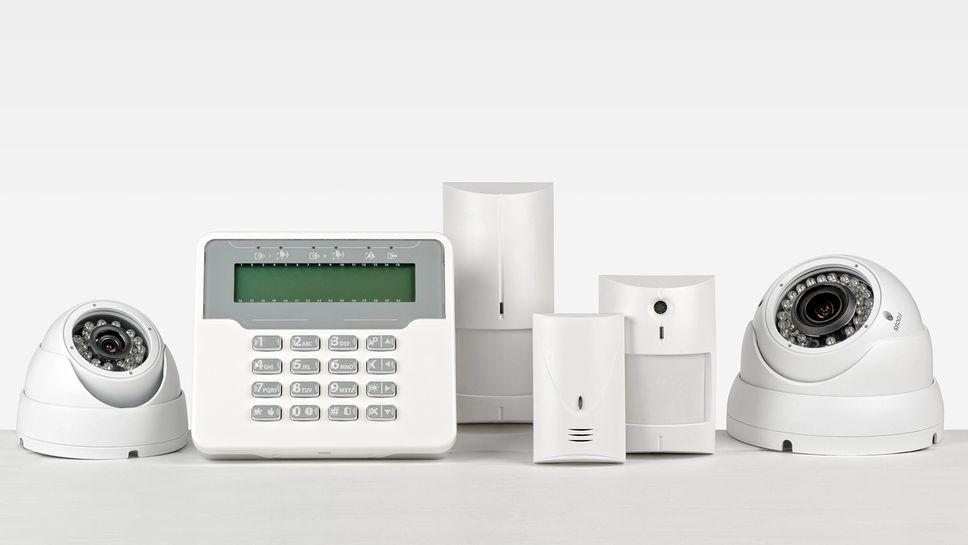
Home security is most effective when it’s built around your specific needs. A custom alarm system allows you to protect your home based on its layout, risk level, and lifestyle requirements rather than relying on generic, ready-made solutions. This step-by-step guide explains how to design a custom alarm system for your home, from risk assessment to installation and future expansion.
Why Designing a Custom Alarm System Matters
Every home is different. A flat, a detached house, and a multi-storey property all face unique security risks. Designing a custom alarm system ensures that vulnerable areas are protected while avoiding unnecessary sensors in low-risk zones.
A well-designed system reduces false alarms, improves response time, and offers long-term peace of mind.
Step 1: Assess Your Home’s Security Risks
Before choosing any equipment, start with a thorough security assessment.
Identify Entry Points
Walk around your home and list all possible access points, including:
-
Front and back doors
-
Side entrances
-
Windows (especially ground-floor and rear windows)
-
Garages and patio doors
A custom alarm system is designed to focus on the most vulnerable areas first.
Consider Environmental and Lifestyle Factors
Your lifestyle affects your security needs. Ask yourself:
-
Are you home during the day?
-
Do you travel frequently?
-
Is your property in a high-crime area?
These factors influence sensor types, alarm zones, and monitoring requirements.
Step 2: Choose the Right Alarm System Components
Once risks are identified, select the components that will form your custom alarm system.
Control Panel and Alarm Hub
The control panel is the brain of your system. It connects all sensors and manages alerts. Choose a panel that supports:
-
Multiple zones
-
Smart home integration
-
Remote access
This ensures your custom alarm system remains flexible and upgradeable.
Door and Window Sensors
These sensors detect unauthorised entry and are essential for perimeter protection. In a custom alarm system, sensors are placed only where needed, avoiding overuse.
Motion Detectors
Motion detectors protect internal spaces and act as a secondary defence if someone bypasses perimeter sensors. Strategic placement is critical to avoid false triggers from pets or heating systems.
Step 3: Plan Alarm Zones Strategically
Alarm zoning is one of the biggest advantages of a custom alarm system.
What Are Alarm Zones?
Zones divide your home into separate security areas, allowing you to arm or disarm specific sections independently.
For example:
-
Ground floor as one zone
-
Bedrooms as another
-
Garage as a separate zone
This flexibility is impossible with most ready-made systems.
Benefits of Proper Zoning
-
Reduces false alarms
-
Improves monitoring accuracy
-
Allows partial arming at night
A well-zoned custom alarm system adapts to your daily routine.
Step 4: Decide on Monitoring and Alerts
Monitoring is a key design decision in any custom alarm system.
Self-Monitoring Options
Self-monitoring sends alerts directly to your smartphone or device. This option works well if you’re frequently available to respond.
Professional Monitoring Services
Professional monitoring ensures that alerts are handled 24/7 by trained operators who can contact emergency services if needed. This is ideal for high-value properties or frequent travellers.
Step 5: Integrate Smart Home and Additional Security Features
A modern custom alarm system goes beyond basic intrusion detection.
CCTV and Video Verification
Integrating CCTV allows you to visually confirm alerts, improving response accuracy and evidence collection.
Smart Locks and Access Control
Smart locks enhance control over who enters your home and when. When combined with a custom alarm system, they create a seamless security experience.
Environmental Sensors
Consider adding:
-
Smoke detectors
-
Carbon monoxide sensors
-
Flood and temperature sensors
These features turn your alarm system into a complete home safety solution.
Step 6: Professional Installation and System Testing
Even the best design can fail without proper installation.
Why Professional Installation Matters
Professional installers ensure:
-
Correct sensor positioning
-
Secure wiring or wireless configuration
-
System calibration and testing
A professionally installed custom alarm system performs reliably and complies with UK security standards.
System Testing and User Training
After installation, every component should be tested. Homeowners should also receive training on:
-
Arming and disarming
-
Using mobile apps
-
Managing zones and alerts
Step 7: Plan for Future Expansion
One of the biggest benefits of a custom alarm system is scalability.
Future-Proofing Your System
As your needs change, you may want to add:
-
Additional sensors
-
Outdoor security devices
-
Advanced monitoring features
A well-designed system allows upgrades without replacing existing equipment.
Common Mistakes to Avoid When Designing a Custom Alarm System
Overloading with Sensors
More sensors don’t always mean better security. A custom alarm system focuses on quality placement rather than quantity.
Ignoring Professional Advice
Security professionals understand risk patterns that homeowners may overlook. Skipping expert input can leave critical gaps in protection.
Final Thoughts
Designing a custom alarm system for your home is a strategic process, not a quick purchase. By assessing risks, choosing the right components, planning zones, and integrating smart features, you create a security solution that fits your home perfectly.
Unlike generic alarm kits, a custom alarm system evolves with your needs, delivers reliable protection, and provides genuine peace of mind. For homeowners who value long-term security, custom design is the smartest choice.

 English
 Arabic
 French
 Spanish
 Portuguese
 Turkish
 Dutch
Dutch
 Italiano
 Russian
 Romaian
 Portuguese (Brazil)
 Greek
Greek
