


How to Troubleshoot Incomplete Drying in a Gravity Displacement Autoclave?
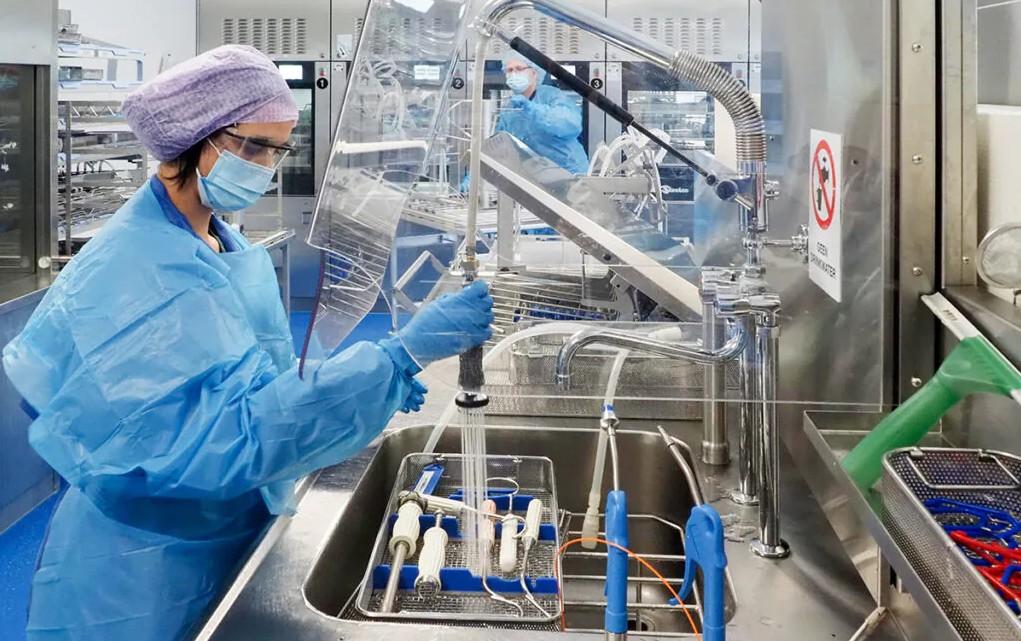
In the fast-paced world of surgical support, the reliability of a gravity displacement autoclave is paramount. However, one of the most persistent and frustrating issues sterile processing departments face is the "wet pack"—a load that emerges from the cycle with visible moisture. Incomplete drying is not just a logistical nuisance; it is a critical safety breach. Moisture acts as a biological pathway, allowing microorganisms to "wick" through packaging materials and contaminate otherwise sterile instruments.
Troubleshooting this issue requires a blend of mechanical inspection and behavioral audit. Gravity displacement autoclaves are simpler in design than their pre-vacuum counterparts, but they are also more sensitive to user error and environmental conditions. Because they lack the mechanical "pull" of a deep vacuum pump during the drying phase, they rely heavily on the latent heat stored in the instruments and the efficient drainage of condensate. Technicians must be detectives, looking at everything from the quality of the incoming steam to the specific way a tray was angled on the rack.
Auditing Loading Techniques and Density
The most common culprit for incomplete drying in gravity displacement units is improper loading. Gravity autoclaves work on the principle that steam is lighter than air. As steam enters from the top, it pushes the heavier air out through the drain. If items are stacked too tightly or placed flat on trays, air and moisture become trapped in "pockets" that the heat cannot reach effectively. This leads to what we call "cold spots" and excessive condensation.
Furthermore, the density of the load itself plays a massive role. If a tray is overloaded with heavy metal instruments, it may absorb too much energy during the heating phase, causing massive condensation that the gravity cycle’s passive drying phase cannot handle. Sterile processing staff are taught that a balanced load is a dry load. If you are experiencing wet packs, try reducing the density of the sets or ensuring that concave items, like bowls and basins, are tilted at an angle.
Inspecting the Steam Trap and Chamber Drain
If your loading technique is flawless but the moisture persists, it is time to look at the "under-the-hood" components. The chamber drain and the steam trap are the unsung heroes of the drying process. In a gravity displacement autoclave, the steam trap is designed to allow air and condensate to exit while keeping the high-pressure steam inside. If this trap is clogged with debris or mineral scale, water will back up into the chamber, creating a "slushy" environment that no amount of drying time can fix.
Mechanical failures in the steam trap can also lead to "wet steam." If the trap fails in the open position, the autoclave might struggle to maintain temperature; if it fails closed, the chamber will flood with condensate. Additionally, the quality of the steam entering the unit from the facility's boiler must be considered. Steam that is too "wet"—meaning it has more than 3% liquid water content—will overwhelm the drying cycle. Professional sterile processing technician course graduates are trained to read gauges and understand the relationship between pressure and temperature, which often provides the clues needed to call in a maintenance engineer for a deep dive into the facility's plumbing and steam quality.
Reviewing Cycle Parameters and Environmental Factors
Sometimes, the issue isn't what's inside the machine, but how the machine is programmed. Gravity displacement cycles typically require longer drying times because they lack a vacuum to "suck" out the moisture. If your facility has recently changed its packaging materials—for example, switching from cotton wraps to non-woven synthetic wraps—the drying time might need to be extended. Synthetic wraps are less absorbent and can trap moisture if the drying phase is too short.
The environment outside the autoclave can also wreak havoc on your drying efforts. If the cooling area is too cold or has high humidity, the sudden temperature drop when the door is opened can cause "sweating" on the packs. This is why the "door cracking" technique, once popular, is now often discouraged in favor of letting the cycle fully complete and allowing the load to cool in a stable, controlled environment.
Conclusion and the Path Forward
Troubleshooting incomplete drying in a gravity displacement autoclave is a critical skill that bridges the gap between mechanical maintenance and clinical safety. Whether the fix is as simple as re-orienting a tray or as complex as replacing a faulty steam trap, the goal remains the same: ensuring that every instrument delivered to the operating room is bone-dry and truly sterile.

 English
 Arabic
 Spanish
 Portuguese
 Deutsch
 Turkish
 Dutch
Dutch
 Italiano
 Russian
 Romaian
 Portuguese (Brazil)
 Greek
Greek
