Global Gluten-Free Food Market Expands Rapidly Amid Rising Health Awareness
The global food industry is undergoing a major transformation as consumers increasingly adopt healthier, personalized diets. Among these trends, gluten-free food has emerged as a fast-growing segment, driven by both medical necessity and lifestyle choices. According to insights from Renub Research, the Global Gluten-Free Food Market is projected to grow from US$ 23.82 billion in 2025 to US$ 43.87 billion by 2034, registering a compound annual growth rate (CAGR) of 7.02% during 2026–2034.
This growth is fueled by rising cases of gluten intolerance and celiac disease, along with increasing consumer awareness about clean eating and digestive health.
Gluten-Free Foods Move Beyond Medical Necessity
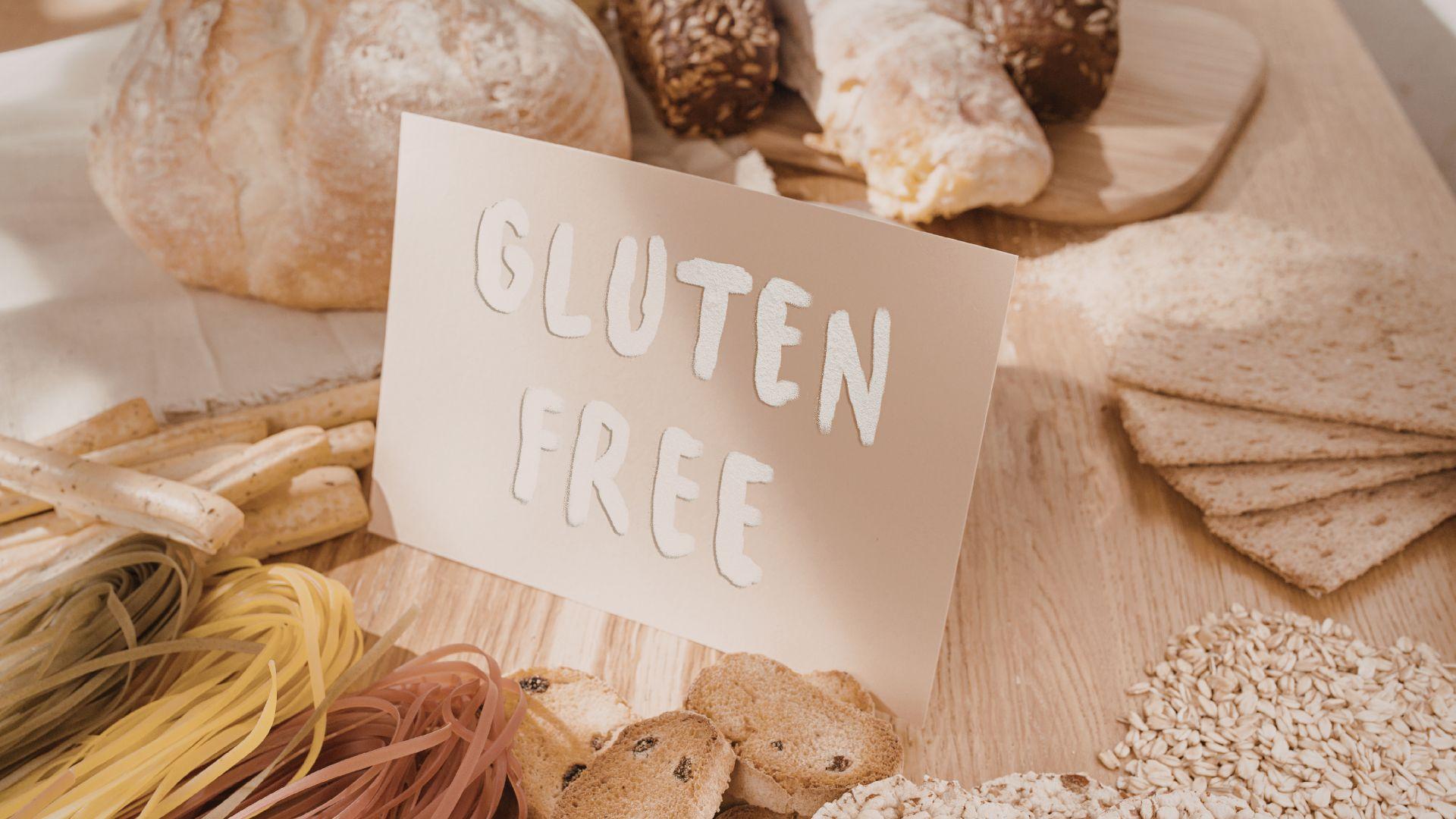
Gluten-free food refers to products that do not contain gluten—a protein found in wheat, barley, and rye. Traditionally developed for individuals with celiac disease or gluten sensitivity, these foods are now gaining mainstream popularity.
Download Free Sample Report:https://www.renub.com/request-sample-page.php?gturl=gluten-free-food-market-p.php
Modern gluten-free products are made using alternative grains such as rice, corn, quinoa, millet, and buckwheat. These include a wide variety of items such as bakery products, snacks, cereals, pasta, ready meals, and beverages.
The growing belief that gluten-free diets contribute to better digestion, reduced inflammation, and overall wellness has expanded demand beyond medically diagnosed individuals to a broader consumer base.
Key Growth Drivers Fueling Market Expansion
1. Rising Prevalence of Gluten Intolerance and Celiac Disease
One of the primary drivers of the gluten-free food market is the increasing number of individuals diagnosed with gluten-related disorders. It is estimated that approximately 1 in 100 people suffer from celiac disease globally, although many cases remain undiagnosed.
Improved diagnostic capabilities and growing awareness among healthcare professionals have led to higher detection rates. This medically driven demand forms a strong foundation for sustained market growth.
Additionally, rising cases of wheat allergies and non-celiac gluten sensitivity are further expanding the target consumer base.
2. Growing Health Awareness and Clean-Label Preferences
The shift toward healthier lifestyles and clean-label products is significantly driving the adoption of gluten-free foods. Consumers are increasingly seeking natural, minimally processed, and allergen-free options.
Many individuals, even without gluten intolerance, perceive gluten-free products as healthier alternatives. This perception has led to widespread adoption across diverse demographics.
The demand for transparency in food labeling has also encouraged manufacturers to reformulate products using simpler, recognizable ingredients.
3. Product Innovation and Expanding Retail Availability
Innovation in product development has played a crucial role in improving the taste, texture, and variety of gluten-free foods. Advances in alternative grains and food processing technologies have addressed earlier challenges related to quality.
Manufacturers are now offering a wide range of gluten-free products, including bread, pasta, snacks, desserts, and ready-to-eat meals. Increased availability in supermarkets, specialty stores, restaurants, and online platforms has made these products more accessible.
As distribution channels expand and pricing becomes more competitive, consumer adoption is expected to rise further.
Market Challenges: Pricing and Quality Assurance
Higher Prices and Cost Sensitivity
One of the major challenges in the gluten-free food market is the higher cost of products compared to conventional food items. Specialized ingredients and production processes contribute to increased manufacturing costs.
This price disparity can limit adoption, particularly in developing markets where consumers are more price-sensitive.
Cross-Contamination Risks and Consumer Trust
Maintaining strict gluten-free standards is essential to ensure product safety. Even minor cross-contamination during production or packaging can pose serious health risks for individuals with celiac disease.
Manufacturers must invest in dedicated facilities and rigorous quality control measures to maintain consumer trust and compliance with regulatory standards.
Segment Insights: High-Growth Categories
Bakery Segment Leads the Market
The gluten-free bakery segment is one of the largest and fastest-growing categories. Products such as bread, cakes, cookies, and muffins are in high demand among both medical and lifestyle consumers.
Innovations in alternative flours like almond, rice, and quinoa have significantly improved product quality, driving growth in this segment.
Ready Meals Gain Popularity
The demand for gluten-free ready meals is increasing due to busy lifestyles and the need for convenient, safe food options. Frozen and instant meals offer a practical solution for consumers seeking quick, gluten-free alternatives.
Solid Foods Dominate Consumption
Solid gluten-free foods, including snacks, cereals, and pasta, are widely consumed due to their portability and long shelf life. These products are particularly popular among on-the-go consumers.
Dairy and Meat Segments Expand
The dairy segment benefits from the natural absence of gluten in most products, while the meat segment focuses on certified gluten-free processed products.
The growing emphasis on labeling and allergen awareness is driving demand in these categories.
Regional Insights: Global Market Trends
United States: Leading Market with Strong Awareness
The United States remains a dominant market, driven by high awareness of celiac disease and strong demand for health-focused products. Extensive retail availability and continuous innovation support market growth.
United Kingdom: Growth Driven by Clean Eating Trends
In the UK, the gluten-free food market is expanding steadily due to increasing demand for allergen-free and clean-label products. Bakery items and ready meals are particularly popular.
India: Emerging Market with Rising Awareness
India’s gluten-free food market is growing rapidly, supported by urbanization, rising health awareness, and increasing diagnosis of gluten intolerance.
Traditional diets are gradually incorporating gluten-free alternatives such as millet and rice-based products.
Saudi Arabia: Growing Demand for Specialty Diets
In Saudi Arabia, increasing awareness of food intolerance and rising interest in specialty diets are driving demand for gluten-free foods.
The expansion of modern retail formats and availability of imported products further support market growth.
Competitive Landscape: Key Industry Players
The global gluten-free food market is highly competitive, with major companies focusing on innovation and product diversification.
Key players include:
- General Mills
- The Hain Celestial Group Inc.
- Kellogg’s Company
- ConAgra Brands Inc.
- The Kraft Heinz Company
- Hero Group AG
These companies are investing in research, product development, and strategic partnerships to strengthen their market position.
Future Outlook: Personalized Nutrition to Shape Growth
The future of the gluten-free food market is closely aligned with broader trends in personalized nutrition and health-focused consumption.
Innovations in plant-based ingredients, functional foods, and clean-label formulations are expected to drive the next phase of growth. Increased focus on sustainability and transparency will also influence consumer preferences.
Final Thoughts
The global gluten-free food market is poised for strong and sustained growth, driven by rising health awareness, increasing prevalence of gluten-related disorders, and expanding product availability.
With projections reaching US$ 43.87 billion by 2034, the market offers significant opportunities for manufacturers and investors.
However, addressing challenges related to pricing and maintaining strict quality standards will be essential for long-term success.
As consumers continue to prioritize health, wellness, and dietary customization, gluten-free foods are set to become a mainstream staple—reshaping the future of the global food industry.




 English
 Arabic
 French
 Spanish
 Portuguese
 Deutsch
 Turkish
 Dutch
Dutch
 Italiano
 Russian
 Romaian
 Portuguese (Brazil)
