


Hydraulic Pressure Testing and Cast Iron: Ensuring Industrial Safety and Efficiency
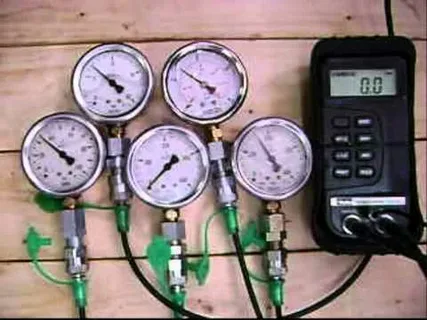
Hydraulic Pressure Testing
Hydraulic pressure testing is a critical process in industrial maintenance and quality assurance. It involves testing pipes, vessels, and mechanical systems under controlled pressure to detect leaks, weaknesses, or potential failures. This process is widely used in industries such as oil and gas, manufacturing, construction, and marine engineering. The primary goal of hydraulic pressure testing is to ensure that systems can handle operational pressures safely and efficiently.
Hydraulic pressure testing services are essential for maintaining compliance with safety standards and preventing costly downtime caused by leaks or equipment failure. By using advanced testing equipment and trained professionals, these services provide accurate assessment and assurance that cast iron components, pipelines, and hydraulic systems are reliable under pressure.
Importance of Hydraulic Pressure Testing
Hydraulic systems are integral to many industrial applications, and failure in these systems can have serious consequences. Regular hydraulic pressure testing ensures:
-
Safety – Detecting weak points or leaks prevents accidents.
-
Reliability – Systems are tested to withstand operational pressures without failure.
-
Efficiency – Properly functioning hydraulic systems reduce energy loss and improve productivity.
-
Compliance – Many industries have regulations requiring routine pressure testing for safety certification.
Hydraulic pressure testing is not limited to new installations. Routine maintenance and periodic inspections are necessary to identify wear and tear, corrosion, or material fatigue in components such as cast iron pipes, valves, and hydraulic cylinders.
Cast Iron and Its Role in Industrial Systems
Cast iron is a widely used material in manufacturing and industrial applications. Its durability, strength, and resistance to wear make it ideal for components in hydraulic systems, including pumps, pipelines, and valves. Cast iron’s excellent pressure-bearing capacity is a reason why it is commonly subjected to hydraulic pressure testing.
However, cast iron is brittle compared to steel, and cracks can develop under stress. Hydraulic pressure testing services help identify these vulnerabilities before they result in catastrophic failures. Detecting defects early saves costs, reduces downtime, and ensures the safety of personnel and infrastructure.
Types of Hydraulic Pressure Testing
Hydraulic pressure testing can be divided into several types, depending on the purpose and application:
-
Hydrostatic Testing – Involves filling a system with water and pressurizing it to identify leaks and structural weaknesses. Water is used because it is incompressible and safer in case of a sudden failure.
-
Pneumatic Testing – Uses air or gas under pressure. Pneumatic tests are riskier due to the compressibility of air but are sometimes used when water cannot be applied.
-
Burst Testing – Determines the maximum pressure a component can withstand before failure. This is especially relevant for cast iron pipes and hydraulic cylinders.
-
Leak Testing – Focuses specifically on identifying leak points in a system, ensuring operational reliability.
Each type of hydraulic pressure testing requires specialized equipment and trained technicians to conduct the tests safely and accurately.
Hydraulic Pressure Testing Services
Professional hydraulic pressure testing services provide several advantages to industrial operators:
-
Expert Evaluation – Skilled technicians analyze the performance of pipes, valves, and cylinders under pressure.
-
Advanced Equipment – High-precision pressure gauges, pumps, and monitoring tools ensure accurate results.
-
Customized Testing – Services are tailored to the type of material, such as cast iron, steel, or composites, and the specific pressure requirements.
-
Documentation – Comprehensive reports provide evidence of compliance with safety regulations.
Companies offering hydraulic pressure testing services often work with industrial clients to implement preventive maintenance programs. These programs schedule regular inspections, reducing the risk of unexpected failures in critical systems.
Hydraulic Pressure Testing for Cast Iron Components
Cast iron components are particularly sensitive to stress, making hydraulic pressure testing crucial. The benefits include:
-
Early Defect Detection – Finds cracks, weak welds, or casting defects before operational failure.
-
Longevity – Regular testing ensures that cast iron pipes, pumps, and valves last longer under operational pressures.
-
Operational Safety – Prevents accidents caused by sudden bursts or leaks in cast iron components.
-
Cost Savings – Identifying issues early reduces repair costs and downtime.
Hydraulic pressure testing services often employ both visual inspection and non-destructive testing methods, such as ultrasonic or radiographic testing, to ensure cast iron components meet safety standards.
Industries Benefiting from Hydraulic Pressure Testing
Several industries rely heavily on hydraulic pressure testing services to ensure operational safety and efficiency:
-
Oil and Gas – Pipelines and pressure vessels are tested regularly to prevent leaks that could lead to environmental disasters.
-
Manufacturing – Hydraulic presses, machines, and tools rely on high-pressure systems that require regular testing.
-
Construction – Hydraulic equipment, including lifts and cranes, undergoes testing to ensure structural integrity.
-
Marine and Shipping – Hydraulic systems in ships and ports must function reliably under extreme conditions.
In all these industries, cast iron components remain common due to their strength, but their brittleness requires careful monitoring through hydraulic pressure testing.
Safety Considerations in Hydraulic Pressure Testing
Hydraulic pressure testing is inherently high-risk. Technicians must follow strict safety protocols:
-
Use of Personal Protective Equipment (PPE) – Gloves, goggles, and protective clothing are mandatory.
-
Controlled Environments – Testing areas must be secure and free from unauthorized personnel.
-
Pressure Monitoring – Continuous monitoring prevents exceeding safe pressure limits.
-
Emergency Preparedness – Proper procedures and tools must be available to handle sudden failures.
Hydraulic pressure testing services provide trained personnel who understand these risks and ensure compliance with safety standards.
Maintenance and Preventive Measures
Hydraulic pressure testing is not only a diagnostic tool but also a preventive measure. By regularly testing cast iron and other components:
-
Operators can schedule maintenance before failures occur.
-
Components underperforming due to wear can be replaced proactively.
-
Systems remain compliant with industry regulations, reducing liability.
Preventive hydraulic pressure testing extends the lifespan of critical equipment and enhances workplace safety.
Conclusion
Hydraulic pressure testing and hydraulic pressure testing services play a vital role in maintaining the safety, reliability, and efficiency of industrial systems. Cast iron components, while strong, are susceptible to stress and require regular testing to prevent failures. By employing advanced technology, skilled technicians, and proper safety protocols, industries can ensure their systems operate safely under pressure.
Investing in professional hydraulic pressure testing services not only prevents costly breakdowns but also protects personnel and infrastructure. For any industry relying on high-pressure systems, particularly those using cast iron components, hydraulic pressure testing remains an indispensable part of operational safety and efficiency.

 English
 Arabic
 Spanish
 Portuguese
 Deutsch
 Turkish
 Dutch
Dutch
 Italiano
 Russian
 Romaian
 Portuguese (Brazil)
 Greek
Greek
