


Why Do Electric Vehicle Tires Wear Out Faster Than ICE Tires?
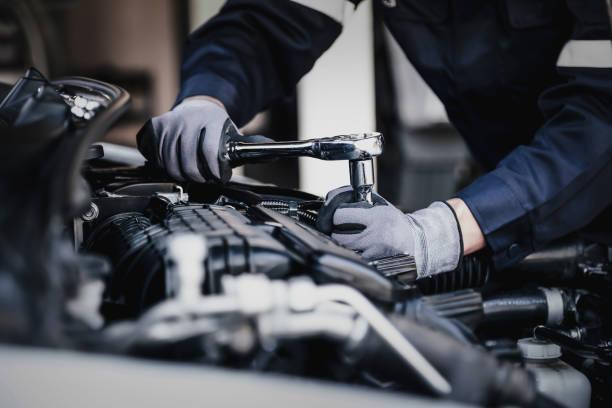
The transition from internal combustion engine (ICE) vehicles to electric vehicles (EVs) has brought about a significant shift in how we think about automotive maintenance. While EV owners often celebrate the absence of oil changes, spark plug replacements, and complex transmission repairs, they are frequently met with a surprising reality at the tire shop: their tires are wearing out much faster than they did on their old gas-powered cars. Studies and manufacturer data suggest that EV tires can wear down 15% to 30% quicker than those on comparable ICE models. This phenomenon isn't a design flaw but rather a direct consequence of the unique physics and engineering that define electric mobility.
For those interested in the technical side of this shift, understanding the interaction between a vehicle's powertrain and the road is a fundamental skill.
The Massive Impact of Battery Weight
The most obvious factor contributing to rapid tire degradation is weight. Electric vehicles are significantly heavier than their ICE counterparts, primarily due to the massive lithium-ion battery packs required to provide a competitive driving range. For example, a popular electric sedan can weigh 500 to 1,000 pounds more than a gas-powered sedan of the same size. This extra mass translates into a constant, increased downward force on the tire’s contact patch. Every time the vehicle corners, accelerates, or hits a bump, the tires must manage more kinetic energy and lateral force than a lighter vehicle would demand.
This constant load causes the rubber to compress more and generate more internal heat as it rolls. Heat is the natural enemy of tire longevity, as it softens the rubber compound and makes it more susceptible to "scrubbing" against the asphalt. In a professional car mechanic course, students learn that specialized load ratings are essential for EVs to prevent sidewall failure. However, even with reinforced tires, the sheer physics of moving a 5,000-pound machine means that the friction between the tread and the road is inherently more abrasive, leading to a shorter lifespan for the rubber.
Instant Torque and the Physics of Acceleration
Unlike an internal combustion engine, which must "rev up" to reach its peak power, an electric motor delivers 100% of its available torque the moment the driver touches the accelerator. This "instant torque" is a hallmark of the EV driving experience, providing the zippy, silent acceleration that many drivers love. However, from a mechanical perspective, this immediate surge of power is incredibly stressful for tires. When you launch an EV from a standstill, the motor tries to spin the wheels with immense force. Even if the tires don't visibly "burn rubber" or squeal, the microscopic interaction at the road surface involves significant slippage and friction.
Regenerative Braking and Friction Dynamics
Another unique feature of EVs that impacts tire wear is regenerative braking. This system allows the electric motor to act as a generator when the driver lifts off the accelerator, converting kinetic energy back into electricity for the battery. While this is great for efficiency and saves the brake pads from wearing out, it shifts the burden of deceleration almost entirely to the tires. In a traditional car, coasting involves very little friction; in an EV, "one-pedal driving" means the tires are constantly engaged in either pushing the car forward or pulling it back to slow it down.
Because regenerative braking applies a backward torque through the drivetrain to the wheels, the tires experience friction during both acceleration and deceleration. This constant "work" means there is rarely a moment when the tire is simply rolling freely. For a technician who has completed a car mechanic course, identifying the specific wear patterns caused by aggressive regen is a key part of modern vehicle diagnostics. The tires are essentially performing double duty, leading to a faster depletion of the tread depth compared to a car that relies on friction brakes for stopping power.
The Trade-off: Rolling Resistance vs. Grip
To maximize the driving range of an EV, manufacturers often equip them with Low Rolling Resistance (LRR) tires. These tires are designed with specialized rubber compounds and tread patterns that minimize the energy lost as the tire deforms while rolling. While these are excellent for squeezing an extra 20 miles out of a battery charge, they often come with a trade-off in longevity. LRR tires are sometimes made with firmer compounds that can be more brittle or thinner treads to reduce weight, both of which can lead to faster visible wear when subjected to the high weight and torque of an electric platform.
Furthermore, many premium EVs use "sticky" performance tires to handle their high horsepower. These soft-compound tires provide incredible grip but are notoriously short-lived. A knowledgeable car mechanic will advise EV owners to check their tire pressure more frequently than ICE owners, as even a small drop in PSI can cause a heavy EV's tires to flex excessively, generating heat and accelerating tread loss. Proper maintenance—including alignment and frequent rotations—is non-negotiable for anyone looking to get the most out of their electric vehicle investment.
Conclusion and Maintenance Tips
In summary, the faster tire wear seen in electric vehicles is the price we pay for heavy batteries, exhilarating torque, and high-efficiency energy recovery. While it may seem like a drawback, understanding these factors allows drivers and mechanics to adapt. By choosing EV-specific tires designed to handle higher load indexes and by practicing smoother acceleration habits, owners can mitigate much of this premature wear. As the industry shifts toward electrification, the role of the technician becomes more specialized, making a car mechanic course an essential step for anyone looking to master the maintenance of these advanced machines.

 English
 Arabic
 Spanish
 Portuguese
 Deutsch
 Turkish
 Dutch
Dutch
 Italiano
 Russian
 Romaian
 Portuguese (Brazil)
 Greek
Greek
