


Advanced Materials in Food Containers Enhancing Durability
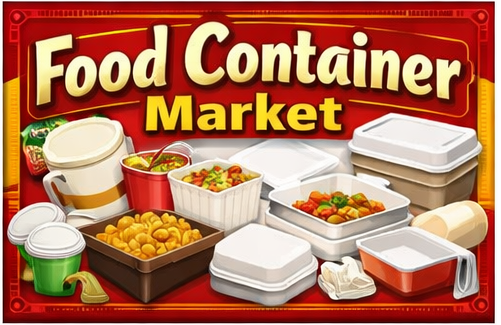
Evolving Consumer Preferences in Everyday Food Containers
The way people approach meals, storage, and portability has changed significantly in recent years, driving innovation in the food container space. Today’s consumers are no longer satisfied with basic functionality—they expect durability, sustainability, and aesthetic appeal from their food storage containers. Whether it’s for meal prep, office lunches, or leftovers, the modern food container must align with both lifestyle convenience and environmental awareness.
One of the most notable shifts is the growing preference for reusable and eco-friendly options. As awareness of plastic waste increases, many households are gradually moving away from single-use packaging toward long-lasting solutions such as glass food containers and stainless steel alternatives. This transition is not just about sustainability—it also reflects concerns about food safety, as consumers seek materials that do not leach chemicals or retain odors.
At the same time, plastic food containers continue to hold a significant share of the market due to their affordability, lightweight nature, and versatility. However, manufacturers are responding to environmental concerns by introducing BPA-free materials, recyclable plastics, and improved product designs that extend usability. This evolution shows that rather than disappearing, plastic is being redefined to meet modern expectations.
Innovation in Design and Functionality
Design innovation has become a critical differentiator in the food storage containers segment. Consumers today look for products that offer more than just storage—they want containers that simplify their daily routines. Features such as leak-proof lids, stackable designs, compartmentalization, and microwave-safe materials are now considered essential.
The rise of the bento food container is a clear example of how functionality meets lifestyle trends. Inspired by traditional Japanese meal presentation, these containers feature multiple compartments that allow users to pack balanced meals without mixing flavors. They have gained immense popularity among working professionals, students, and fitness enthusiasts who prioritize portion control and organized meals.
Another emerging trend is the integration of smart design elements, such as temperature retention, vacuum sealing, and modular stacking systems. These innovations cater to urban consumers who require efficient storage solutions in compact living spaces. As kitchens become more streamlined, the demand for multi-functional food container products continues to grow.
Glass food containers, in particular, are gaining traction due to their premium feel and durability. They are widely preferred for storing hot foods, reheating meals, and maintaining food freshness without absorbing stains or odors. Although heavier than plastic alternatives, their long-term value and sustainability appeal make them a popular choice among environmentally conscious consumers.
Sustainability and Material Shifts
Sustainability is now at the core of product development in the food container industry. Brands are investing heavily in research to create materials that reduce environmental impact while maintaining performance standards. Biodegradable plastics, plant-based polymers, and recycled materials are becoming more common in the production of food storage containers.
Consumers are also becoming more mindful of their purchasing decisions. Many are opting for durable products that can be used repeatedly over time, reducing the need for frequent replacements. This shift is particularly evident in urban markets, where zero-waste lifestyles and minimalism are gaining traction.
In addition, regulatory pressures and corporate sustainability commitments are influencing manufacturers to adopt greener practices. Packaging reduction, recyclable components, and eco-label certifications are now key selling points for both plastic food containers and non-plastic alternatives. These changes are shaping a more responsible and transparent supply chain.
Amid these developments, the market continues to expand steadily. According to Grand View Research, the global food containers market size is projected to reach USD 431.5 billion by 2030, growing at a CAGR of 4.5% from 2025 to 2030. This growth reflects not only rising demand but also the continuous innovation that keeps the category relevant across different consumer segments.
Changing Lifestyles and Future Outlook
Modern lifestyles are playing a crucial role in shaping the future of food containers. The increasing adoption of meal prepping, on-the-go eating habits, and home delivery services has created a strong demand for reliable and versatile storage solutions. Consumers now require containers that can transition seamlessly from refrigerator to microwave to dining table.
The growth of health-conscious eating habits has also influenced product design. Many consumers prefer portion-controlled meals, which has boosted the popularity of compartmentalized food storage containers like bento food container models. These designs help users maintain balanced diets while simplifying meal organization.
E-commerce has further accelerated the accessibility of innovative products. Consumers can now explore a wide range of options—from premium glass food containers to budget-friendly plastic food containers—without geographical limitations. Online platforms also provide detailed product comparisons, enabling informed purchasing decisions.
Looking ahead, the food container market is expected to witness continued transformation driven by technology, sustainability, and consumer-centric design. Smart containers with tracking features, enhanced insulation, and improved material science may soon become mainstream. At the same time, brands that successfully balance affordability with eco-consciousness will likely gain a competitive edge.
In conclusion, the evolution of the food container reflects broader societal changes, including environmental awareness, urbanization, and shifting dietary habits. From traditional plastic food containers to advanced glass food containers and thoughtfully designed bento food container options, the market is diversifying to meet a wide spectrum of needs. As innovation continues, food storage containers will remain an essential part of modern living, combining practicality with sustainability in increasingly sophisticated ways.

 English
 Arabic
 French
 Spanish
 Portuguese
 Deutsch
 Turkish
 Dutch
Dutch
 Italiano
 Russian
 Portuguese (Brazil)
 Greek
Greek
