


What Are the Common Causes of Meningitis?
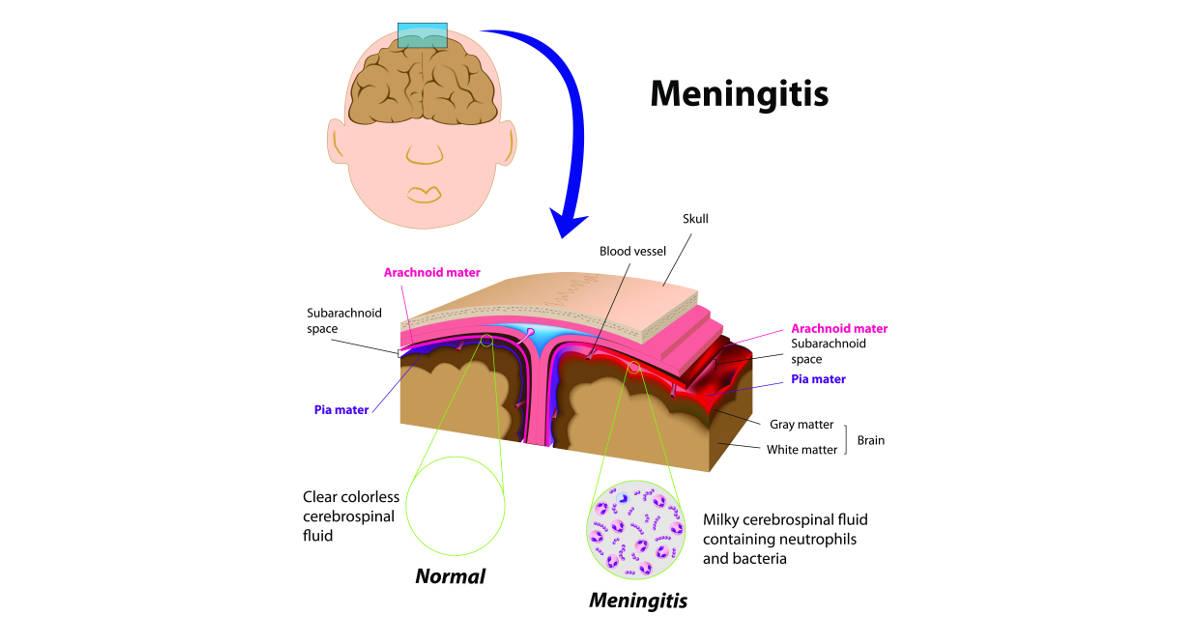
Meningitis is a serious medical condition characterized by inflammation of the meninges, the protective membranes covering the brain and spinal cord. It can progress rapidly and may lead to severe complications, including neurological damage or death, if not treated promptly. Understanding the common causes of meningitis is critical for prevention, early diagnosis, and effective management. In clinical treatment, antibiotics such as ceftriaxone injection are often used, particularly in bacterial cases, to combat the infection quickly and effectively.
1. Bacterial Infections
Bacterial meningitis is one of the most severe forms of the disease and requires immediate medical attention. It is commonly caused by bacteria that enter the bloodstream and travel to the brain and spinal cord. Some of the most frequent bacterial agents include:
- Streptococcus pneumoniae: This is the leading cause of bacterial meningitis in adults and young children. It is often associated with pneumonia, ear infections, or sinus infections.
- Neisseria meningitidis: Known for causing outbreaks, especially in crowded environments like dormitories or military barracks.
- Haemophilus influenzae type b (Hib): Once a common cause in children, now significantly reduced due to vaccination programs.
- Listeria monocytogenes: Typically affects newborns, elderly individuals, and people with weakened immune systems.
Treatment for bacterial meningitis usually involves intravenous antibiotics. Ceftriaxone injection is widely used due to its broad-spectrum activity and effectiveness against many of the bacteria responsible for meningitis. Early administration is crucial to reduce mortality and complications.
2. Viral Infections
Viral meningitis is more common but generally less severe than bacterial meningitis. It often resolves without specific treatment, although supportive care is necessary. Common viral causes include:
- Enteroviruses: These are the most frequent cause, especially during late summer and early fall.
- Herpes simplex virus (HSV): Can cause both meningitis and encephalitis.
- Mumps virus: Less common today due to vaccination.
- Human immunodeficiency virus (HIV): Can cause meningitis during early infection stages.
Unlike bacterial meningitis, viral forms typically do not require antibiotics such as ceftriaxone injection. However, distinguishing between bacterial and viral meningitis is critical, as delayed treatment in bacterial cases can be life-threatening.
3. Fungal Infections
Fungal meningitis is rare but serious, usually affecting individuals with compromised immune systems, such as those with HIV/AIDS, cancer, or those undergoing immunosuppressive therapy. Common fungal causes include:
- Cryptococcus neoformans
- Histoplasma capsulatum
- Coccidioides species
Fungal meningitis is not contagious and develops when fungal organisms spread from other parts of the body to the brain. Treatment involves long-term antifungal medications rather than antibiotics like ceftriaxone injection.
4. Parasitic Infections
Parasitic meningitis is uncommon but can occur in certain parts of the world. It is often caused by parasites found in contaminated food, water, or soil. Examples include:
- Angiostrongylus cantonensis (rat lungworm)
- Naegleria fowleri, a free-living amoeba found in warm freshwater, which causes a rare but often fatal condition known as primary amoebic meningoencephalitis (PAM)
These infections require specialized treatment and are not managed with standard antibiotics such as ceftriaxone injection.
5. Non-Infectious Causes
Not all meningitis cases are caused by infections. Non-infectious meningitis can result from:
- Autoimmune diseases, such as lupus
- Certain medications, including nonsteroidal anti-inflammatory drugs (NSAIDs) and some antibiotics
- Cancer, particularly when it spreads to the meninges (carcinomatous meningitis)
- Head injuries or brain surgery
In such cases, treatment focuses on addressing the underlying cause rather than using antimicrobial therapies like ceftriaxone injection.
6. Risk Factors
Several factors can increase the likelihood of developing meningitis:
- Age: Infants and young children are at higher risk.
- Living conditions: Crowded environments facilitate the spread of infectious agents.
- Weakened immune system: Individuals with chronic illnesses or on immunosuppressive drugs are more vulnerable.
- Lack of vaccination: Vaccines are available for many of the bacteria and viruses that cause meningitis.
7. Transmission and Spread
Meningitis-causing pathogens are often spread through respiratory droplets, close contact, or contaminated food and water. For example, Neisseria meningitidis spreads through coughing, kissing, or sharing utensils. Good hygiene practices and vaccination are essential preventive measures.
8. Symptoms to Watch For
Recognizing the symptoms of meningitis early can be life-saving. Common symptoms include:
- High fever
- Severe headache
- Neck stiffness
- Sensitivity to light
- Nausea and vomiting
- Confusion or difficulty concentrating
- Seizures (in severe cases)
In infants, symptoms may include bulging fontanelle, irritability, and poor feeding.
9. Diagnosis and Treatment
Diagnosis typically involves a combination of physical examination, blood tests, and a lumbar puncture (spinal tap) to analyze cerebrospinal fluid. Imaging studies like CT or MRI scans may also be used.
For bacterial meningitis, immediate treatment with intravenous antibiotics is essential. Ceftriaxone injection is commonly used as a first-line therapy due to its ability to penetrate the central nervous system and effectively target a wide range of bacteria. In some cases, it is combined with other antibiotics or corticosteroids to reduce inflammation.
10. Prevention Strategies
Preventing meningitis involves several approaches
- Vaccination: Vaccines against pneumococcus, meningococcus, and Hib are highly effective.
- Good hygiene: Regular handwashing and avoiding close contact with infected individuals.
- Safe food practices: Properly cooking food and avoiding unpasteurized products.
- Prompt treatment: Early medical care for infections can prevent complications.
Conclusion
Meningitis is a complex condition with multiple causes ranging from bacterial and viral infections to fungi, parasites, and non-infectious factors. Among these, bacterial meningitis remains the most dangerous and requires urgent treatment with antibiotics such as ceftriaxone injection. Understanding the causes, recognizing symptoms early, and seeking timely medical intervention can significantly improve outcomes and save lives. Public health measures, including vaccination and awareness, continue to play a vital role in reducing the global burden of this potentially life-threatening disease.

 English
 Arabic
 French
 Spanish
 Portuguese
 Deutsch
 Dutch
Dutch
 Italiano
 Russian
 Romaian
 Portuguese (Brazil)
 Greek
Greek
