


Laser Hair Removal Dubai: Your Safety Matters Most
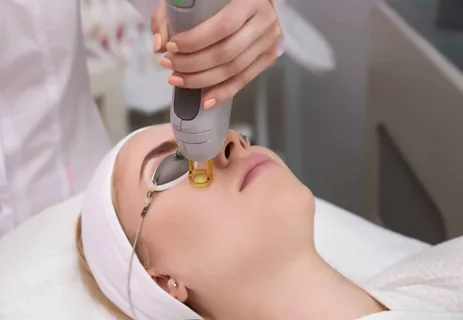
When light energy meets skin, safety considerations become paramount. While permanent hair reduction has an excellent safety record when performed properly, inappropriate treatment can cause burns, scarring, and pigmentation problems that may prove permanent. Understanding safety dimensions of treatment empowers you to protect yourself by choosing appropriate providers, following necessary precautions, and recognizing warning signs of substandard care. This safety-focused guide examines laser hair removal Dubai through the lens of protecting what matters most—your wellbeing.
Foundational Safety Principles
Foundational safety in light-based treatment rests on several principles: appropriate technology selection for your skin type prevents energy absorption by epidermal melanin that causes burns. Correct parameter settings deliver sufficient energy for treatment without exceeding safe thresholds. Adequate cooling protects skin surface while allowing deep energy penetration. Proper patient selection identifies contraindications before treatment begins. Trained operator technique ensures consistent, safe application. Thorough aftercare guidance protects healing skin. When these principles are respected, treatment is remarkably safe. Complications arise when principles are violated—wrong wavelength for skin type, excessive energy, inadequate cooling, or untrained operators. Understanding these principles helps you evaluate provider safety competence.
How Safety-First Approaches Work
Safety-first approaches implement multiple protective layers rather than relying on single safeguards. Comprehensive pre-treatment assessment identifies contraindications, medications affecting photosensitivity, and recent sun exposure requiring postponement. Technology selection algorithms match wavelength to skin type based on established safety parameters. Test spots on new patients verify individual response before full treatment. Treatment monitoring continuously assesses skin reaction, allowing immediate adjustment if adverse response begins. Conservative initial parameters can be increased if well-tolerated rather than starting aggressively and causing problems. Detailed aftercare instructions protect vulnerable post-treatment skin. These layered protections dramatically reduce complication rates compared to casual safety approaches. In our clinical experience, rigorous safety protocols virtually eliminate serious complications while still achieving excellent treatment outcomes.
Why Prioritizing Safety Protects Results
Safety and effectiveness aren't opposing priorities—they're complementary. Unsafe treatment often produces inferior results alongside complications. Burns require treatment interruption while healing, extending timelines. Pigmentation problems may contraindicate continuation until resolved. Scarring can affect appearance more than the hair being treated. Adverse experiences may prevent patients from completing treatment series, compromising results. Conversely, safe treatment produces steady progress without setbacks, allows consistent treatment continuation, and maintains patient confidence throughout. What patients typically report is that safety-focused providers deliver excellent results precisely because avoiding complications keeps treatment on track.
Core Safety Benefits of Quality Treatment
Appropriate Technology Matching
Quality providers select technology appropriate for your specific skin tone, dramatically reducing burn and pigmentation risks.
Trained Operator Expertise
Properly trained practitioners recognize concerning reactions, adjust parameters appropriately, and maintain consistent technique preventing problems.
Conservative Initial Approach
Starting conservatively and increasing intensity based on response prevents unexpected adverse reactions from aggressive initial treatment.
Continuous Monitoring
Watching skin response throughout treatment allows real-time adjustment if concerning signs develop.
Comprehensive Aftercare
Detailed guidance protects vulnerable skin during healing, preventing complications that could affect final results.
Identifying Safe Treatment Candidates
Safe treatment requires appropriate candidate selection. You may be suitable if you're in good general health, have no active skin conditions in treatment areas, aren't taking photosensitizing medications (or can discontinue safely), haven't had recent sun exposure or tanning, have realistic expectations about the process, aren't currently pregnant or nursing, and have no history of abnormal scarring. Conditions requiring special consideration include autoimmune disorders, bleeding disorders, active herpes in treatment areas, diabetes affecting healing, immunosuppression, or current acne treatment with isotretinoin. Honest disclosure of medical history allows providers to determine whether treatment is safe for you.
Safety-Optimized Treatment Protocol
Comprehensive Pre-Treatment Evaluation
Medical history review identifies medications, conditions, or factors affecting safety. Skin typing determines appropriate technology. Treatment area examination checks for contraindications. Previous reaction history informs approach.
Test Spot Verification
Before full treatment, test spots at varying parameters verify your individual response. Unusual reactions are identified before widespread treatment.
Conservative Parameter Initiation
Treatment begins with conservative settings that can be increased based on observed tolerance rather than aggressive initial parameters risking complications.
Continuous Response Monitoring
Throughout treatment, practitioners monitor skin response, ready to adjust if concerning signs develop.
Thorough Aftercare Education
Detailed instructions regarding sun protection, skincare, activity restrictions, and warning signs ensure safe healing.
Safety Considerations by Treatment Area
| Body Area | Specific Safety Considerations |
|---|---|
| Face | Proximity to eyes requires protection; sensitive skin needs conservative parameters |
| Underarms | Sensitive skin; avoid deodorants pre/post treatment |
| Bikini/Brazilian | Extremely sensitive; requires experienced technique |
| Legs | Large area requires consistent technique to avoid overlap |
| Back/Chest | Variable skin sensitivity across area |
| Arms | Often sun-exposed; verify tanning status |
Investment in Safety-Focused Care
Safety-focused care may cost more than discount alternatives, reflecting investment in appropriate technology, trained staff, adequate treatment time, and comprehensive protocols. However, considering potential costs of managing complications—medical treatment, corrective procedures, lost time—quality care proves economical. Complications from bargain treatment may cost significantly more than the "savings" achieved. When evaluating investment, factor safety into value assessment rather than comparing only base prices.
Timeline Impact of Safety Approach
Safety-focused approaches may initially seem slower but actually optimize timelines:
- Conservative starting parameters avoid complications requiring treatment delays
- Complication-free healing allows consistent session scheduling
- Proper technique prevents missed areas requiring retreatment
- Appropriate protocols achieve treatment goals efficiently without setbacks
- Absence of adverse events maintains patient confidence and compliance
Overall, safety focus typically accelerates rather than delays goal achievement.
Recognizing Potential Side Effects Early
Understanding normal versus concerning responses enables early intervention:
Normal Responses:
- Mild redness resolving within hours
- Slight warmth or tingling
- Temporary darkening of treated hair
- Mild swelling around follicles
Concerning Signs Requiring Attention:
- Blistering or crusting
- Severe or prolonged pain
- Significant swelling
- Signs of infection (increasing redness, warmth, discharge)
- Dramatic pigmentation changes
- Unusual scarring appearance
Report concerning signs promptly—early intervention prevents minor issues from becoming serious problems.
Aftercare Safety Essentials
Post-treatment safety requires careful adherence to aftercare:
- Strict sun avoidance for minimum two weeks; SPF 50+ daily
- Avoid heat exposure (hot baths, saunas, intense exercise) for 24-48 hours
- Use gentle, fragrance-free skincare products
- Don't scratch or pick at treated areas
- No waxing, plucking, or depilatories between sessions
- Report any unusual reactions promptly
- Attend all scheduled follow-up appointments
Following these guidelines protects your safety and results.
Choosing Safety-Prioritized Treatment
Your safety deserves priority alongside effectiveness. By understanding safety principles, recognizing safe provider characteristics, and following necessary precautions, you protect yourself while pursuing permanent hair reduction goals. If safety matters as much as results—as it should—selecting providers who demonstrate genuine safety commitment is essential. At Tajmeels Clinic, your safety matters most in our laser hair removal Dubai practice—every aspect of our protocols prioritizes your protection while delivering excellent outcomes. Your wellbeing is non-negotiable, and treatment should never compromise it.

 English
 Arabic
 French
 Spanish
 Portuguese
 Deutsch
 Turkish
 Dutch
Dutch
 Russian
 Romaian
 Portuguese (Brazil)
 Greek
Greek
