


Spot Welding Equipment: Precision, Efficiency, and Reliability for Modern Manufacturing
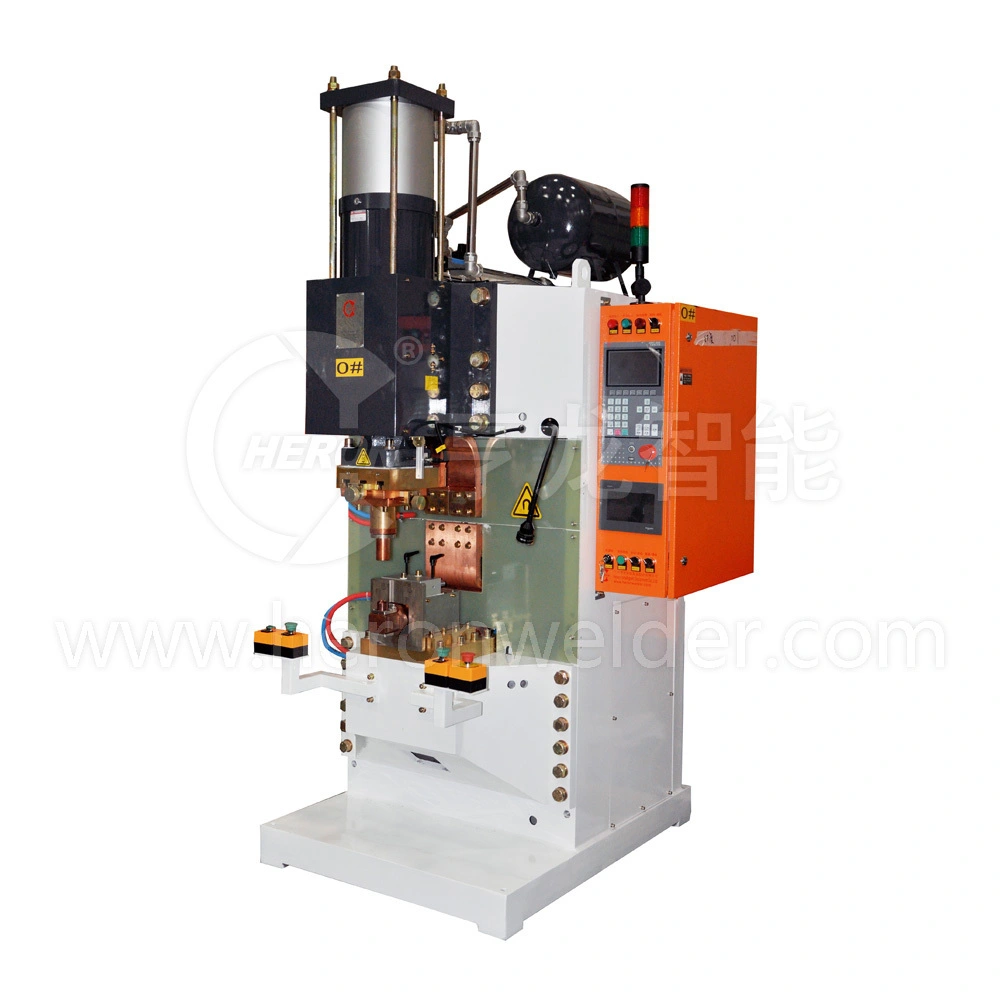
In today’s fast-paced manufacturing environment, achieving precise, high-quality metal joins is non-negotiable. Spot welding equipment has become a cornerstone technology for automotive, appliance, aerospace, and industrial fabrication industries. From lightweight aluminum panels to robust steel assemblies, modern manufacturers rely on advanced spot welding machines to deliver repeatable, cost-effective, and automated metal joining solutions.
At Heron Welder, we specialize in designing and supplying cutting-edge resistance welding systems, including spot, projection, and seam welding machines, along with complete automated production lines tailored for OEMs, factories, and automation integrators worldwide.
What Is Spot Welding and How Does It Work?
Spot welding, a form of resistance welding, involves joining two or more metal sheets by applying pressure and passing a high current through localized areas, creating a weld nugget at the contact point. The process is fast, efficient, and produces strong joints without the need for filler materials.
Key components of spot welding equipment include:
- Electrodes: Conduct electrical current and apply pressure to the workpiece. Typically copper alloy electrodes are used for their conductivity and durability.
- Transformer or MFDC power source: Provides controlled current suitable for different metal types and thicknesses.
- Control system: Ensures precise timing, current, and force to achieve consistent weld quality.
- Cooling system: Maintains electrode integrity and prevents overheating during continuous operations.
Modern spot welding machines, such as those from Heron, often incorporate programmable controllers, real-time monitoring, and automated material handling for optimized production throughput.
Applications of Spot Welding Equipment
Spot welding is widely used across industries where sheet metal joining is required:
- Automotive Manufacturing
Body panels, chassis assemblies, and brackets often rely on spot welding for structural integrity and weight-efficient designs. Heron’s MFDC spot welders provide consistent results for high-strength steels and aluminum alloys. - Appliance and Electronics Fabrication
Washing machines, refrigerators, and battery enclosures benefit from fast, precise welds that maintain product quality and reduce thermal distortion. - Aerospace and Defense
Lightweight aluminum and titanium assemblies require controlled heat input, making precision spot welding systems essential. - Industrial Equipment and Sheet Metal Fabrication
From HVAC components to storage tanks, spot welding ensures high-strength joints with minimal post-processing.
Types of Spot Welding Equipment
Selecting the right type of spot welding equipment is critical for efficiency, weld quality, and automation compatibility. Common categories include:
1. Standard AC Spot Welders
- Best for general-purpose applications with low to medium production volumes.
- Simple operation, reliable for mild and stainless steel sheets.
2. MFDC Spot Welders
- Use Medium-Frequency Direct Current for precise control and reduced electrode wear.
- Ideal for thin metals, aluminum, and high-strength steels in automotive and aerospace applications.
3. Capacitor Discharge Spot Welders
- Deliver short, high-energy pulses for delicate or heat-sensitive components.
- Commonly used in electronics, battery manufacturing, and small metal assemblies.
4. Robotic Spot Welding Systems
- Integrate with automated production lines for high-volume, repeatable welds.
- Heron’s robotic solutions combine MFDC technology, servo-driven arms, and advanced monitoring for consistent quality.
Best Practices for Using Spot Welding Equipment
Maximizing efficiency and weld quality requires proper operation and maintenance:
- Correct Electrode Selection – Use electrodes suitable for the metal type and thickness. Copper-chrome or copper-zirconium alloys are common.
- Maintain Electrode Tip Geometry – Regular dressing prevents inconsistent welds and reduces wear.
- Control Welding Parameters – Optimize current, force, and weld time for each material combination.
- Regular Maintenance and Calibration – Ensures consistent weld nugget formation and prolongs equipment life.
- Implement Quality Monitoring – Modern systems offer real-time nugget measurement and process data logging to reduce defects.
Heron’s spot welding solutions include integrated process control and monitoring, allowing manufacturers to automate parameter adjustments and reduce scrap rates while improving productivity.
Spot Welding vs. Other Resistance Welding Methods
| Feature | Spot Welding | Projection Welding | Seam Welding |
|---|---|---|---|
| Weld Type | Point weld | Raised projection | Continuous seam |
| Materials | Sheets, thin plates | Thick or complex shapes | Sheet metal for fluid-tight seams |
| Speed | Very fast | Moderate | Slower, continuous |
| Applications | Automotive panels, electronics | Heavy-duty joints, brackets | Fuel tanks, roofing, packaging |
While spot welding is ideal for high-speed, localized joins, other resistance welding methods may complement production needs for complex or continuous assemblies.
Why Choose Heron for Spot Welding Equipment?
With decades of global experience, Heron Welder offers:
- Tailored Welding Solutions: Custom machines designed to meet your specific metal types, thicknesses, and production volumes.
- Automation Integration: Spot welders compatible with robotic arms, conveyors, and production line controllers.
- Advanced Technology: MFDC, capacitor discharge, and robotic systems for superior weld quality and efficiency.
- Global Support: Installation, training, and after-sales support for OEMs and factories worldwide.
Manufacturers trust Heron not just for equipment, but as a strategic partner in metal-joining solutions.
FAQs About Spot Welding Equipment
Q1: Can spot welding join aluminum and steel together?
A1: Yes, but specialized MFDC or capacitor discharge systems are recommended to handle differences in conductivity and melting points.
Q2: What maintenance is required for spot welding machines?
A2: Regular electrode dressing, cooling system checks, and control system calibration are essential for consistent weld quality.
Q3: How do I choose the right spot welding machine?
A3: Consider material type, sheet thickness, production volume, and automation requirements. Heron engineers provide consultation to match the right solution.
Q4: Are robotic spot welding systems worth the investment?
A4: For high-volume production, robotic systems reduce labor, improve precision, and provide consistent quality, offering long-term ROI.
Q5: Can spot welding equipment integrate with existing production lines?
A5: Yes. Heron’s spot welding solutions are designed for seamless integration with conveyors, PLCs, and automated systems.
Conclusion: Elevate Your Manufacturing with Heron Spot Welding Equipment
From small-scale fabrication to fully automated automotive lines, spot welding equipment is essential for precision, efficiency, and quality. Partnering with Heron Welder ensures access to advanced, reliable, and customizable solutions that meet the evolving demands of modern manufacturing.
Contact Heron today to request a quote or consult with our engineers for spot welding machines, robotic systems, and fully automated metal-joining production lines tailored to your facility.

 English
 Arabic
 French
 Spanish
 Portuguese
 Deutsch
 Turkish
 Dutch
Dutch
 Italiano
 Russian
 Romaian
 Greek
Greek
