Efficient energy management is a cornerstone of modern industrial control systems. As industries increasingly rely on high-power equipment such as motors, turbines, and automated machinery, the challenge of handling excess energy becomes more critical. Uncontrolled energy buildup can lead to voltage spikes, overheating, and even catastrophic equipment failure. This is where the Dynamics Discharge Board plays a vital role, ensuring safe and controlled energy dissipation across industrial applications.
Understanding Dynamics Discharge Boards
A Dynamics Discharge Board is a specialized component designed to manage and dissipate excess electrical energy generated during system operation. It is commonly used in conjunction with braking resistors and power control circuits to safely handle regenerative energy.
These boards are typically integrated into drive systems or turbine control architectures, where they monitor voltage levels and activate discharge mechanisms when thresholds are exceeded. Key components include switching devices, resistive elements, and control circuitry that work together to regulate energy flow.
The primary function of a dynamics discharge board is to convert excess electrical energy into heat through controlled resistance, preventing it from accumulating within the system.
The Need for Energy Dissipation in Industrial Systems
Industrial systems often generate excess energy during operation, particularly in applications involving deceleration or load changes. For instance, when a motor slows down, it can act as a generator, feeding energy back into the system. Similarly, turbines and heavy machinery can produce transient energy spikes under varying load conditions.
If this energy is not properly managed, it can result in overvoltage conditions that damage sensitive components such as inverters, capacitors, and control electronics. Additionally, excess energy can lead to thermal stress, reducing the lifespan of equipment.
Effective energy dissipation is therefore essential not only for protecting hardware but also for maintaining system stability and ensuring continuous operation.
Key Features of Dynamics Discharge Boards
Dynamics Discharge Boards are engineered with several critical features that enable them to perform reliably in demanding environments.
One of the most important features is their high-power handling capability. These boards are designed to manage significant energy loads without failure, making them suitable for heavy-duty industrial applications.
They also offer fast response times, allowing them to react instantly to voltage spikes. This ensures that excess energy is dissipated before it can cause harm.
Another key feature is seamless integration with braking resistors and control systems. This allows for coordinated operation, where the discharge board activates only when necessary.
Finally, robust thermal management ensures that the heat generated during energy dissipation is safely handled, preventing overheating of the board itself.
How Dynamics Discharge Boards Improve Energy Dissipation
The effectiveness of a Dynamics Discharge Board lies in its ability to manage excess energy in a controlled and efficient manner.
When the system detects a rise in voltage beyond safe limits, the discharge board activates and redirects the excess energy to braking resistors. This process converts electrical energy into heat, which is then safely dissipated into the environment.
By doing so, the board prevents voltage transients and surges, protecting sensitive components from damage. It also helps maintain a stable DC bus voltage, which is critical for the proper functioning of drive systems.
In motor applications, the discharge board enhances dynamic braking performance. By efficiently dissipating regenerative energy, it allows motors to decelerate smoothly without causing instability.
Additionally, the board reduces energy feedback issues, ensuring that excess power does not interfere with other parts of the system.
Applications in Industrial Control Systems
Dynamics Discharge Boards are widely used across various industrial sectors.
In Variable Frequency Drives (VFDs), they play a crucial role in managing regenerative energy during motor braking. Without proper dissipation, this energy could damage the drive system.
In turbine and generator systems, discharge boards help stabilize voltage levels during load fluctuations, ensuring consistent performance.
They are also used in heavy machinery, such as cranes and elevators, where rapid deceleration generates significant energy that must be safely dissipated.
In renewable energy systems, particularly wind turbines, dynamics discharge boards help manage variable energy outputs, contributing to grid stability.
Benefits of Using Dynamics Discharge Boards
The use of Dynamics Discharge Boards offers several tangible benefits.
First, they provide enhanced equipment protection by preventing overvoltage and thermal damage. This extends the lifespan of critical components.
Second, they improve operational safety by reducing the risk of electrical faults and system failures.
Third, they contribute to greater system reliability, ensuring consistent performance even under fluctuating conditions.
Finally, they help reduce maintenance costs and downtime, as systems are less prone to damage and require fewer repairs.
Challenges and Considerations
Despite their advantages, implementing Dynamics Discharge Boards requires careful planning. Proper sizing is essential to ensure that the board can handle the expected energy loads. Undersized components may fail under stress, while oversized systems can increase costs unnecessarily.
Thermal management is another critical consideration. Since energy is dissipated as heat, adequate cooling mechanisms must be in place.
Integration with existing systems can also pose challenges, particularly in older installations. Engineers must ensure compatibility with control architectures and communication protocols.
Finally, organizations must balance cost and performance to achieve optimal results.
Conclusion
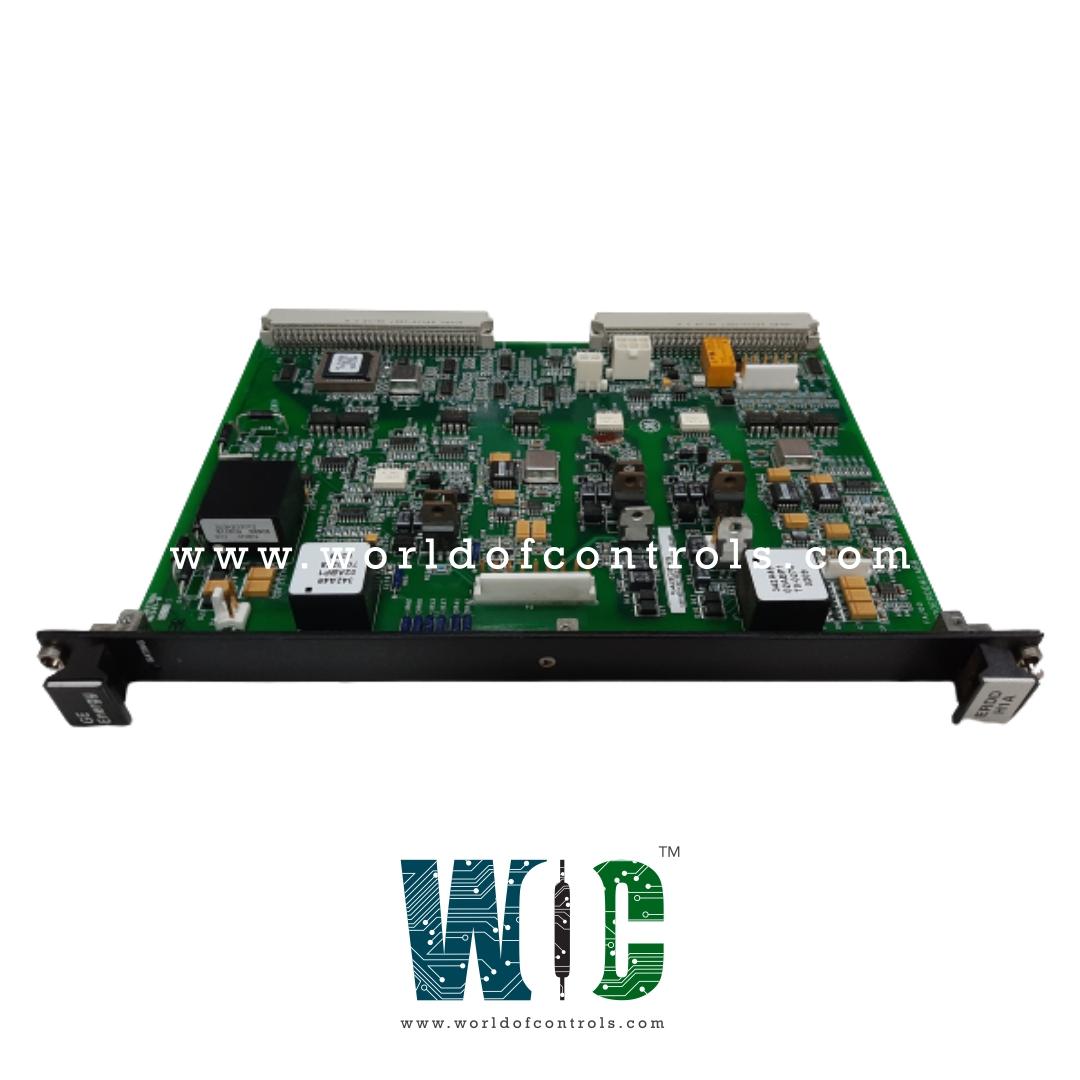
IS200ERDDH1A - DYNAMICS DISCHARGE GE BOARD are a vital component in modern industrial control systems, providing an effective solution for managing excess energy. By ensuring controlled energy dissipation, they protect equipment, enhance system stability, and improve overall operational efficiency.
As industrial systems continue to evolve and demand higher performance, the role of advanced energy management solutions like dynamics discharge boards will become increasingly important. Investing in these technologies is essential for achieving safe, reliable, and efficient industrial operations.




 English
 Arabic
 French
 Spanish
 Portuguese
 Turkish
 Dutch
Dutch
 Italiano
 Russian
 Romaian
 Portuguese (Brazil)
 Greek
Greek
