


How Much Space Does an SBR Wastewater Treatment System Need
Introduction
Water is one of the most important resources in our daily life. We use water at home, in offices, factories, hospitals, hotels, and many other places. After using water, it becomes wastewater. This wastewater must be treated properly before it is released back into the environment. One of the most effective and widely used methods for treating wastewater is the SBR Wastewater Treatment system.
This article explains everything about this system in very simple English. It is written for students, business owners, engineers, and anyone who wants to understand how wastewater treatment works. Each section is explained clearly and in detail to make reading easy and helpful.
Note :- SBR Wastewater Treatment System is a reliable solution used to clean wastewater in industries, commercial buildings, and residential projects. It works in batches to remove dirt, organic waste, and harmful pollutants before water is safely released or reused. This system saves space, reduces operating cost, and delivers consistent treatment results, making it a smart choice for modern wastewater management.
What Is a Wastewater Treatment System?

A wastewater treatment system is a process that cleans dirty water so it can be safely reused or released into rivers, lakes, or the ground. Wastewater usually contains dirt, food waste, chemicals, oil, bacteria, and harmful materials. If this water is not treated, it can harm people, animals, and nature.
The treatment system removes solid waste, breaks down harmful matter, and reduces pollution. There are many types of wastewater treatment systems, and one of the most reliable ones is the SBR system.
Understanding the SBR Wastewater Treatment System
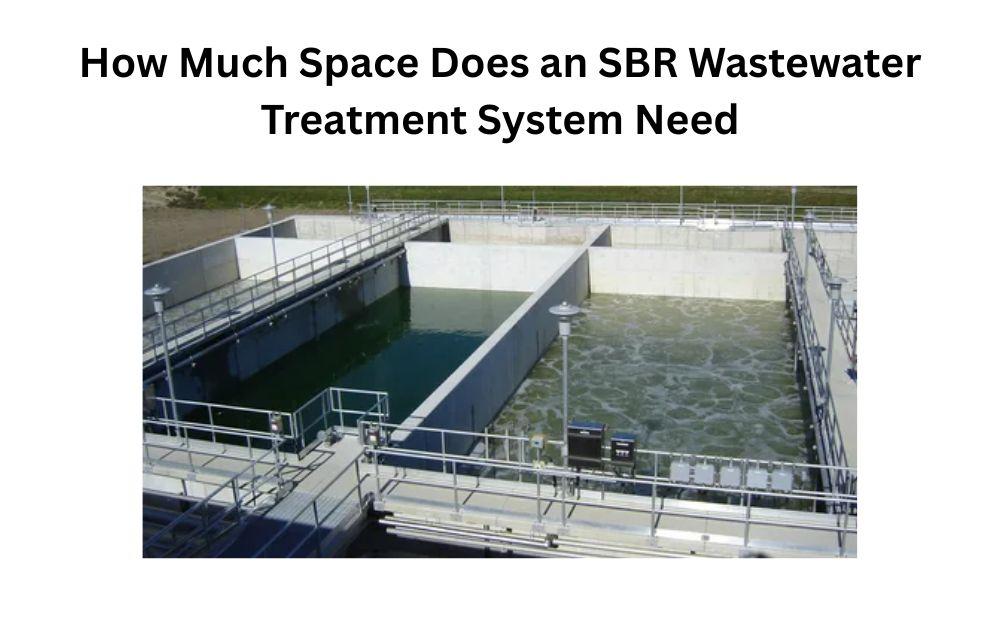
SBR stands for Sequencing Batch Reactor. It is a type of biological wastewater treatment system. Unlike traditional systems that use many tanks, the SBR system treats wastewater in a single tank but in different steps.
This system works in batches. That means wastewater is treated in fixed amounts instead of flowing continuously. Each batch goes through a series of steps inside the same tank. These steps help remove solids, organic waste, and harmful bacteria from the water.
The SBR system is popular because it is simple, flexible, and gives very good treatment results.
Why the SBR System Is Important Today
As cities grow and industries increase, the amount of wastewater also increases. Treating this wastewater properly is very important to protect the environment and public health. The SBR system helps achieve this goal in a simple and efficient way.
Many countries and local authorities now require proper wastewater treatment before discharge. The SBR system helps meet these rules easily while saving space and operating costs.
How the SBR Wastewater Treatment System Works
The SBR system works in a sequence of steps. All these steps happen in the same tank but at different times. This makes the system compact and easy to manage.
Step 1: Fill Stage
In this stage, wastewater enters the treatment tank. The tank already contains active bacteria from the previous cycle. These bacteria help break down organic waste present in the wastewater.
During the fill stage, mixing or aeration may start depending on the system design. This helps the bacteria come into contact with the waste.
Step 2: React Stage
This is the most important stage of the SBR system. In this stage, air is supplied into the tank using blowers or diffusers. The oxygen helps bacteria grow and break down organic matter.
The bacteria consume waste materials such as food particles, oil, and other organic substances. This process reduces pollution in the water.
In some cases, the system also removes nitrogen and phosphorus during this stage, which are harmful to water bodies.
Step 3: Settle Stage
After the reaction stage, aeration is stopped. The water becomes calm, and solid particles settle at the bottom of the tank. These solids are called sludge.
Clear water stays on top while the sludge settles down. This separation is very important to get clean water.
Step 4: Decant Stage
In this stage, the clear treated water is removed from the top of the tank. Special equipment called decanters are used to remove water without disturbing the settled sludge.
The treated water can now be safely discharged or reused for gardening, flushing, or industrial purposes.
Step 5: Idle Stage
This stage is a resting period before the next batch starts. During this time, excess sludge may be removed from the tank. This helps maintain good system performance.
After the idle stage, the system is ready for the next cycle.
Main Parts of an SBR Wastewater Treatment System
An SBR system has several important parts that work together smoothly.
Treatment Tank
This is the main tank where all treatment steps happen. It is designed to hold wastewater safely and allow proper mixing and settling.
Aeration System
The aeration system supplies oxygen to the tank. It includes air blowers, pipes, and diffusers. Oxygen is necessary for bacteria to break down waste.
Decanter
The decanter removes treated water from the tank after settling. It works gently to avoid mixing sludge with clean water.
Control Panel
The control panel manages the timing of each stage. It controls aeration, filling, settling, and decanting automatically. This reduces the need for manual operation.
Sludge Removal System
Excess sludge is removed from time to time to keep the system balanced. This sludge can be further treated or disposed of safely.
Benefits of Using an SBR Wastewater Treatment System
The SBR system offers many advantages compared to traditional treatment methods.
Simple Design and Operation
The system uses one tank for multiple processes. This makes the design simple and easy to understand. Operation is also easy because most processes are automatic.
Saves Space
Since all treatment steps happen in one tank, the system requires less land area. This makes it ideal for places where space is limited.
High Treatment Efficiency
The SBR system provides very good water quality. It effectively removes organic waste, solids, and harmful bacteria.
Flexible Operation
The system can handle changes in wastewater flow and load. This is useful for industries and places where wastewater volume changes daily.
Lower Installation Cost
Because fewer tanks and pipes are needed, installation costs are usually lower compared to other systems.
Easy Upgrades
If wastewater volume increases, the system can be upgraded easily by adjusting cycle times or adding tanks.
Where SBR Wastewater Treatment Systems Are Used
The SBR system is suitable for many different applications.
Residential Buildings
Apartment complexes, housing societies, and villas use SBR systems to treat domestic wastewater efficiently.
Commercial Buildings
Offices, shopping malls, hotels, and hospitals use SBR systems to manage wastewater safely.
Industrial Units
Many industries produce wastewater with organic waste. The SBR system is suitable for food processing, textile units, and small manufacturing plants.
Educational Institutions
Schools, colleges, and universities use SBR systems due to their reliable performance and easy operation.
Remote and Small Locations
Because the system is compact and flexible, it works well in remote areas and small towns.
Treated Water Reuse Possibilities
One of the biggest advantages of the SBR system is water reuse.
Gardening and Landscaping
Treated water can be used for watering plants, gardens, and lawns.
Toilet Flushing
Many buildings reuse treated water for flushing toilets, reducing fresh water use.
Industrial Use
Treated water can be reused for cooling, cleaning, and other non-drinking industrial purposes.
Ground Recharge
In some cases, treated water is used to recharge groundwater safely.
Maintenance of an SBR Wastewater Treatment System
Proper maintenance ensures long life and smooth operation.
Regular Inspection
Pumps, blowers, and valves should be checked regularly to avoid breakdowns.
Sludge Management
Excess sludge should be removed on time to keep bacteria healthy.
Monitoring Water Quality
Basic tests like pH, oxygen level, and clarity help ensure good treatment performance.
Cleaning Equipment
Diffusers and decanters should be cleaned to prevent blockages.
Common Problems and Simple Solutions
Like any system, SBR systems may face issues, but most are easy to fix.
Bad Odor
This usually happens due to low oxygen. Increasing aeration solves the problem.
Poor Settling
If sludge does not settle well, adjusting cycle time helps.
Foaming
Foam may form due to excess bacteria. Sludge removal usually fixes this.
Environmental Benefits of the SBR System
The SBR system helps protect the environment in many ways.
Reduces Water Pollution
Treated water is safe and does not harm rivers or soil.
Saves Fresh Water
Water reuse reduces the demand for fresh water sources.
Supports Sustainable Living
Proper wastewater treatment helps build eco-friendly communities.
Future of SBR Wastewater Treatment Systems
As water scarcity increases, efficient wastewater treatment becomes more important. The SBR system continues to improve with better automation and energy-saving technologies.
Smart control panels and energy-efficient blowers are making SBR systems even more reliable and cost-effective. This makes them a strong solution for future water management needs.
Conclusion
The SBR Wastewater Treatment system is a smart, simple, and effective solution for treating wastewater. It uses one tank to complete multiple treatment steps, saving space and cost. The system is easy to operate, gives high-quality treated water, and supports water reuse.
Because of its flexibility and strong performance, it is widely used in homes, industries, and commercial buildings. With proper maintenance, the system works smoothly for many years.
Choosing the right wastewater treatment system is important for protecting the environment and saving water. The SBR system plays a big role in creating a cleaner and safer future for everyone.
For more insightful articles related to this topic, feel free to visit zepky.com

 Arabic
 French
 Spanish
 Portuguese
 Deutsch
 Turkish
 Dutch
Dutch
 Italiano
 Russian
 Romaian
 Portuguese (Brazil)
 Greek
Greek
