


The Growing Appeal of Beer Bottles with Swing Tops in the U.S. Beverage Market
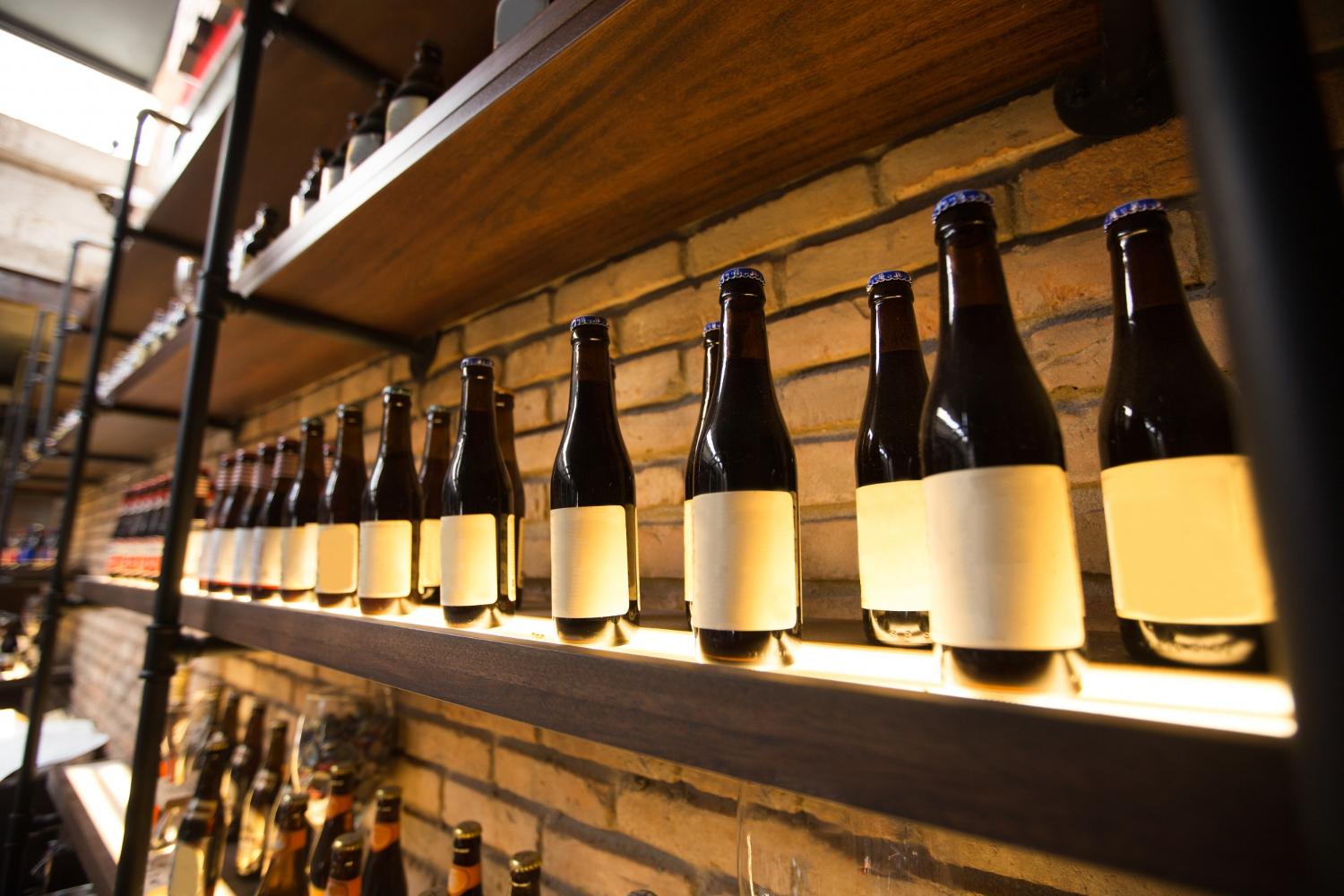
In the evolving landscape of the United States beverage industry, packaging continues to play a vital role in shaping both consumer perception and product functionality. Among the various packaging formats available, beer bottles with swing tops have gained increasing attention for their practicality, reusability, and distinctive design. These bottles, characterized by their hinged ceramic or plastic stopper secured with a wire bail, offer a unique alternative to traditional capped bottles and have become a subject of interest for breweries, homebrewers, and environmentally conscious consumers alike.
Understanding Beer Bottles with Swing Tops
Beer bottles with swing tops are designed with a mechanical closure system that eliminates the need for disposable caps. The closure consists of a stopper that fits tightly into the bottle opening, held in place by a metal wire assembly. This design creates an airtight seal, which is essential for maintaining carbonation and preventing contamination.
The origins of swing-top bottles date back to the late 19th century, when they were introduced as a reusable and convenient solution for carbonated beverages. In the modern US market, these bottles have re-emerged as a practical option that aligns with current sustainability and usability trends.
Functional Advantages of Swing-Top Bottles
One of the defining features of beer bottles with swing tops is their resealability. Unlike standard bottles that require a new cap once opened, swing-top bottles can be closed again without additional tools or materials. This makes them particularly useful in situations where the beverage is not consumed in a single sitting.
The airtight seal provided by the swing-top mechanism is also effective in preserving carbonation. This is especially important for beer, where maintaining the intended level of carbonation is crucial to flavor and mouthfeel. The reliability of the seal depends on the quality of the gasket and the precision of the closure system, both of which are key considerations in manufacturing.
Durability is another advantage. These bottles are typically made from thick glass to withstand repeated use and internal pressure. This makes them suitable not only for commercial use but also for homebrewing, where bottles may be cleaned and reused multiple times.
Materials and Design Considerations
Beer bottles with swing tops are generally made from high-quality glass, chosen for their non-reactive properties and ability to preserve the integrity of the beverage. The closure system includes a stopper, often made of ceramic or durable plastic, and a rubber or silicone gasket that ensures a tight seal.
Bottle color is an important factor in design. Amber glass is commonly used because it provides protection against ultraviolet light, which can degrade beer and produce undesirable flavors. Clear and green options are also available, although they offer less protection and are typically used for specific aesthetic or stylistic purposes.
The shape and size of swing-top bottles can vary, ranging from standard volumes to larger formats. These variations allow for flexibility in usage, whether for individual servings or shared consumption.
Role in Homebrewing Culture
In the United States, the popularity of homebrewing has contributed significantly to the renewed interest in beer bottles with swing tops. Homebrewers often seek packaging solutions that are both reliable and easy to use, and swing-top bottles meet these requirements effectively.
The ability to reuse bottles without the need for specialized capping equipment simplifies the bottling process. Additionally, the consistent seal provided by the swing-top mechanism helps ensure that the beer carbonates properly during the conditioning phase.
Cleaning and maintenance are important aspects of using these bottles in homebrewing. Proper sanitation is essential to prevent contamination, and the removable components of the swing-top closure make thorough cleaning more manageable.
Environmental Impact and Sustainability
Sustainability is a growing concern in the US beverage industry, and beer bottles with swing tops offer several environmental advantages. Their reusability reduces the need for single-use packaging, which can help reduce waste and resource consumption.
Glass itself is a recyclable material, and many swing-top bottles are designed for long-term use, further extending their lifecycle. By minimizing the need for disposable caps and encouraging repeated use, these bottles align with broader efforts to promote sustainable practices.
However, it is important to consider the energy required for cleaning and transporting reusable bottles. While they offer clear benefits in terms of waste reduction, their overall environmental impact depends on how they are integrated into the supply chain and usage patterns.
Use in Craft and Specialty Beverages
The rise of craft and specialty beverages in the United States has created a niche for distinctive packaging formats, including beer bottles with swing tops. These bottles are often associated with traditional brewing methods and artisanal production, which can influence how products are perceived.
Their unique appearance sets them apart from standard bottles, making them a recognizable option in certain segments of the market. While not as widely used as conventional packaging, they serve specific purposes where resealability and presentation are valued.
In addition to beer, swing-top bottles are also used for other carbonated beverages, such as cider and specialty sodas. Their versatility makes them suitable for a range of applications beyond the beer industry.
Manufacturing and Quality Standards
The production of beer bottles with swing tops involves precise engineering to ensure consistency and performance. The glass must be formed to exact specifications, and the closure components must fit securely to create an effective seal.
Quality control is essential throughout the manufacturing process. Bottles are inspected for defects such as cracks, uneven thickness, or imperfections that could compromise their strength. The closure system is also tested to ensure that it can withstand repeated use and maintain its sealing capability over time.
In the United States, manufacturers must adhere to regulatory standards related to food and beverage packaging. This includes ensuring that materials are safe for contact with consumable products and that the bottles meet durability and performance requirements.
Challenges and Limitations
Despite their advantages, beer bottles with swing tops also present certain challenges. One of the primary concerns is cost. The materials and manufacturing processes required for these bottles are typically more complex than those for standard bottles, which can result in higher production costs.
Weight is another factor. Swing-top bottles are generally heavier due to their thicker glass and additional closure components. This can increase transportation costs and impact logistics efficiency.
There are also considerations related to compatibility with automated bottling systems. While some operations can accommodate swing-top bottles, others may require modifications or specialized equipment, which can limit their widespread adoption in large-scale production.
Consumer Perception and Usage Trends
In the US market, consumer preferences are influenced by a combination of functionality, sustainability, and visual appeal. Beer bottles with swing tops align with these factors by offering a reusable and distinctive packaging option.
Their association with traditional and craft beverages can contribute to a perception of authenticity and quality. At the same time, their practical features, such as resealability, make them appealing for everyday use.
Usage trends indicate that while these bottles are not the dominant packaging format, they continue to maintain a steady presence in specific segments of the market. Their role is shaped by both consumer demand and the operational considerations of producers.
Conclusion
Beer bottles with swing tops represent a unique intersection of tradition, functionality, and sustainability within the US beverage industry. Their distinctive design and practicality make them a valuable option for certain advantages applications, particularly in homebrewing and specialty beverage production.
While they face challenges related to cost, weight, and scalability, their benefits in terms of reusability and resealability ensure their continued relevance. As the industry evolves and places greater emphasis on sustainable practices and innovative packaging, these bottles are likely to remain an important part of the broader conversation on beverage packaging solutions.

 English
 Arabic
 French
 Spanish
 Portuguese
 Turkish
 Dutch
Dutch
 Italiano
 Russian
 Romaian
 Portuguese (Brazil)
 Greek
Greek
