


How Assisted Living Encourages Healthy Social Connections
Aging often brings many changes to daily life. Retirement, health challenges, and the loss of long-time social routines can make it more difficult for older adults to maintain meaningful relationships. While independence remains important for seniors, maintaining regular social interaction is equally vital for emotional well-being and overall health.
This is where Assisted Living communities can make a meaningful difference. These communities are designed not only to provide support with daily activities but also to create environments where seniors can form friendships, participate in engaging activities, and stay socially connected.
By offering structured programs, shared experiences, and supportive environments, Assisted Living communities help older adults build healthy social connections that improve quality of life.
The Importance of Social Connection for Seniors
Social interaction plays a critical role in maintaining both mental and physical health as people age. Research consistently shows that seniors who remain socially active tend to experience improved emotional well-being and better cognitive health.
When seniors experience loneliness or isolation, they may face increased risks of:
-
Depression and anxiety
-
Cognitive decline
-
Reduced physical activity
-
Decreased overall well-being
Maintaining social engagement helps seniors feel connected, valued, and emotionally supported.
Assisted Living communities are intentionally designed to encourage these important connections.
A Community Environment That Encourages Interaction
One of the most significant advantages of Assisted Living is the sense of community it provides. Unlike living alone at home, residents in these communities have daily opportunities to interact with others.
Shared spaces such as dining rooms, lounges, gardens, and activity areas encourage residents to spend time together and participate in conversations.
These casual interactions often lead to meaningful friendships that enhance emotional well-being.
For many seniors, simply sharing meals with others can make a significant difference in their daily experience.
Group Activities That Foster Friendships
Another way Assisted Living communities encourage social connections is through organized group activities.
These activities are designed to bring residents together while supporting physical, mental, and emotional health.
Common activities may include:
-
Fitness classes
-
Art workshops
-
Music programs
-
Book clubs
-
Game nights
-
Gardening groups
Participating in these activities allows residents to interact with others who share similar interests. Over time, these shared experiences help residents build lasting relationships.
Opportunities for Meaningful Conversations
Social connections are often strengthened through meaningful conversations and shared experiences.
In Assisted Living communities, residents frequently gather in common areas where they can talk, share stories, and connect with one another.
These conversations help seniors maintain a sense of identity and belonging while encouraging emotional expression.
Meaningful dialogue also provides cognitive stimulation that can support mental wellness.
Dining Experiences That Build Community
Meals play an important role in social life within Assisted Living communities. Instead of eating alone, residents typically enjoy meals in welcoming dining spaces where they can share conversations with friends.
Dining together encourages daily interaction and creates opportunities for residents to connect with others.
These shared experiences often become highlights of the day and contribute to a stronger sense of community.
Social Engagement Supports Mental Wellness
Healthy social connections contribute significantly to emotional and cognitive health.
Seniors who regularly interact with others often experience improved mood, reduced stress, and greater life satisfaction.
Assisted Living communities support mental wellness by encouraging residents to stay engaged and connected.
Programs designed for cognitive stimulation—such as discussion groups, educational workshops, and creative activities—help keep the mind active while promoting social interaction.
Supportive Staff Encourage Engagement
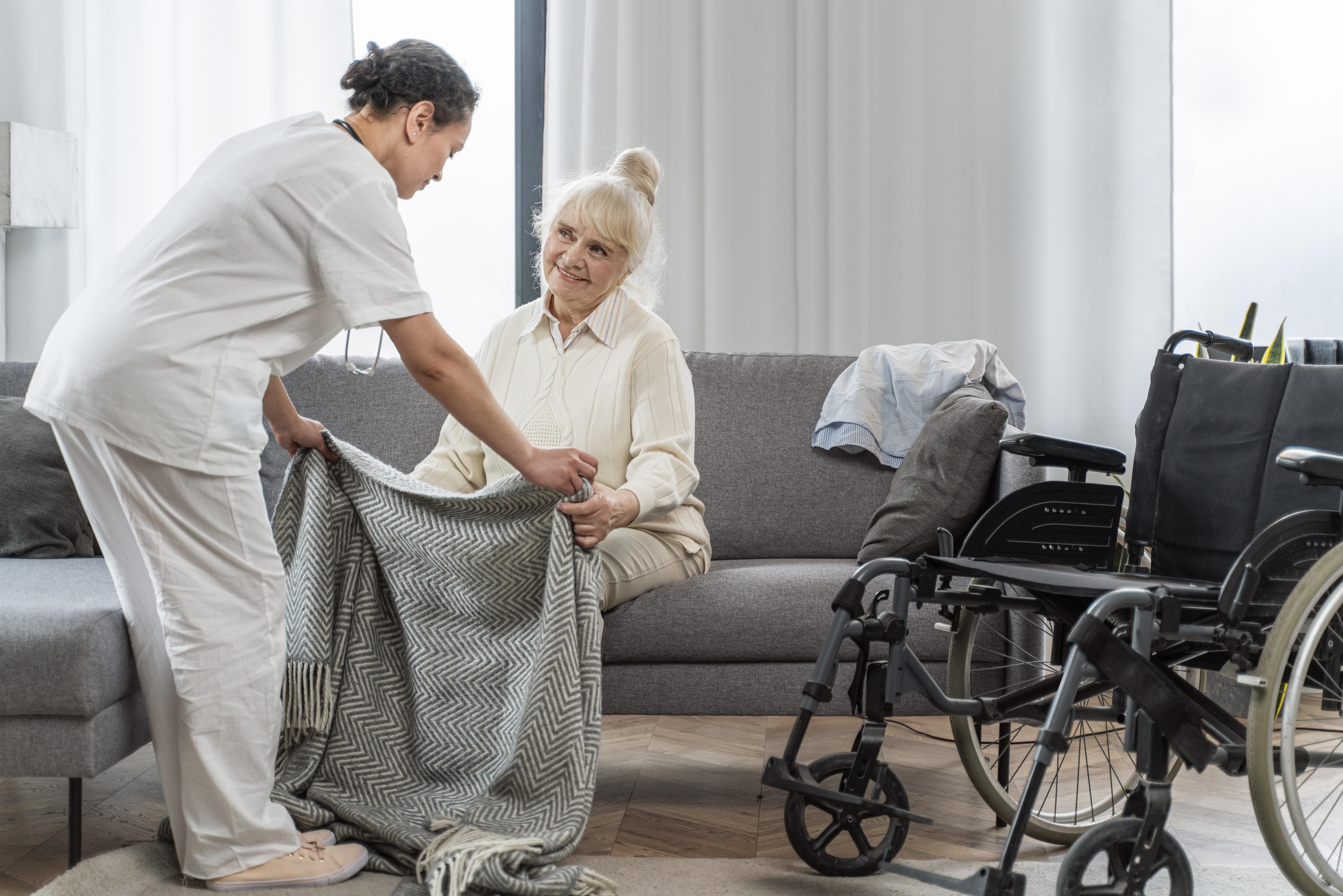
Caregivers and staff members play an important role in fostering social connections within Assisted Living communities.
They often encourage residents to participate in activities and help introduce new residents to others in the community.
This supportive approach helps residents feel welcomed and comfortable forming relationships.
Staff members also help ensure that activities remain accessible and enjoyable for residents with varying abilities.
Family Involvement and Social Events
In addition to resident activities, many Assisted Living communities host events that encourage family participation.
Family gatherings, celebrations, and seasonal events provide opportunities for residents to spend time with loved ones while strengthening community bonds.
These events help maintain important family connections while also encouraging social interaction among residents.
Conclusion
Social connections are essential for emotional health, mental stimulation, and overall happiness as people age. Assisted Living communities provide environments where seniors can build friendships, participate in engaging activities, and enjoy meaningful interactions every day.
At Riverwood Retirement, Assisted Living is designed to support both independence and community engagement. With welcoming spaces, engaging programs, and compassionate staff, residents have countless opportunities to connect with others and enjoy fulfilling social lives in a supportive environment.

 English
 Arabic
 French
 Spanish
 Portuguese
 Deutsch
 Turkish
 Italiano
 Russian
 Romaian
 Portuguese (Brazil)
 Greek
Greek
