


Natural Ways to Manage Type 2 Diabetes: Effective Lifestyle and Diet Tips
Walk through any neighborhood in Denver, Philadelphia, San Diego, or Nashville, and you will find that Type 2 diabetes has quietly become one of the most common chronic conditions in American life. Over 38 million people in the United States are living with diabetes today, and tens of millions more are on the edge of a diagnosis without even knowing it. While modern medicine has delivered powerful tools — from glp 1 pills and injectable therapies to advanced monitoring technology — millions of Americans are also asking a different question: can natural lifestyle changes genuinely make a difference? The answer, backed by decades of research, is a resounding yes.
This guide explores what diabetes actually is, how to recognize it early, and most importantly — the proven natural strategies that help manage Type 2 diabetes through diet, movement, sleep, and stress reduction. Whether you are newly diagnosed or simply trying to stay ahead of the disease, this blog is your practical roadmap.
What Is Diabetes? Understanding the Basics
So what is diabetes, exactly? Diabetes is a chronic metabolic condition where the body is unable to properly regulate blood glucose (sugar) levels. This happens either because the pancreas does not produce enough insulin, or because the body's cells do not respond to insulin effectively — a state called insulin resistance. Left unmanaged, high blood sugar damages blood vessels, nerves, and organs throughout the body over time.
Types of Diabetes: A Quick Overview
There are several types of diabetes, but the two most common are Type 1 and Type 2. Understanding type 1 vs type 2 diabetes is essential for anyone navigating this condition:
• Type 1 Diabetes — an autoimmune disease where the immune system destroys insulin-producing beta cells in the pancreas. It is not preventable and requires lifelong insulin therapy. It typically develops in childhood or early adulthood.
• Type 2 Diabetes — the most common form, affecting 90–95% of all diabetics in the U.S. It develops gradually due to lifestyle and genetic factors. Unlike Type 1, it is largely preventable and manageable through lifestyle changes and medication.
• Gestational Diabetes — develops during pregnancy and increases the mother's long-term risk of Type 2 diabetes.
• Prediabetes — blood sugar is elevated but not yet high enough for a full Type 2 diagnosis. A critical and reversible warning window.
When comparing type 1 vs type 2 diabetes, the key distinction is that Type 2 is directly influenced by diet, weight, and lifestyle — which means natural interventions have real, measurable power over its progression.
How to Know If You Have Diabetes: Recognizing the Warning Signs
A major challenge with Type 2 diabetes is that it can silently develop for years before causing obvious problems. Knowing how to know if you have diabetes starts with recognizing the symptoms of type 2 diabetes early. Here are the signs and symptoms of high sugar level that should never be dismissed:
• Frequent urination, especially at night — as kidneys work to flush excess glucose
• Persistent thirst and dry mouth — directly tied to fluid loss from frequent urination
• Unexplained fatigue — cells cannot get glucose for energy without effective insulin
• Blurred vision — excess sugar causes the lens of the eye to swell
• Slow-healing cuts, bruises, or infections
• Tingling, numbness, or burning sensation in the feet or hands
• Darkened skin patches on the neck, armpits, or groin
• Unexplained weight loss (more common in Type 1, but can occur in Type 2)
• Frequent yeast or skin infections
• Increased hunger even after eating
If you notice several of these signs and symptoms of high sugar level, do not wait. A simple fasting blood glucose test or HbA1c test from your doctor can give you clarity. In cities like Houston, Phoenix, and Charlotte, many community health clinics offer free or low-cost diabetes screening — take advantage of them.
Natural Ways to Manage Type 2 Diabetes: Lifestyle Strategies That Work
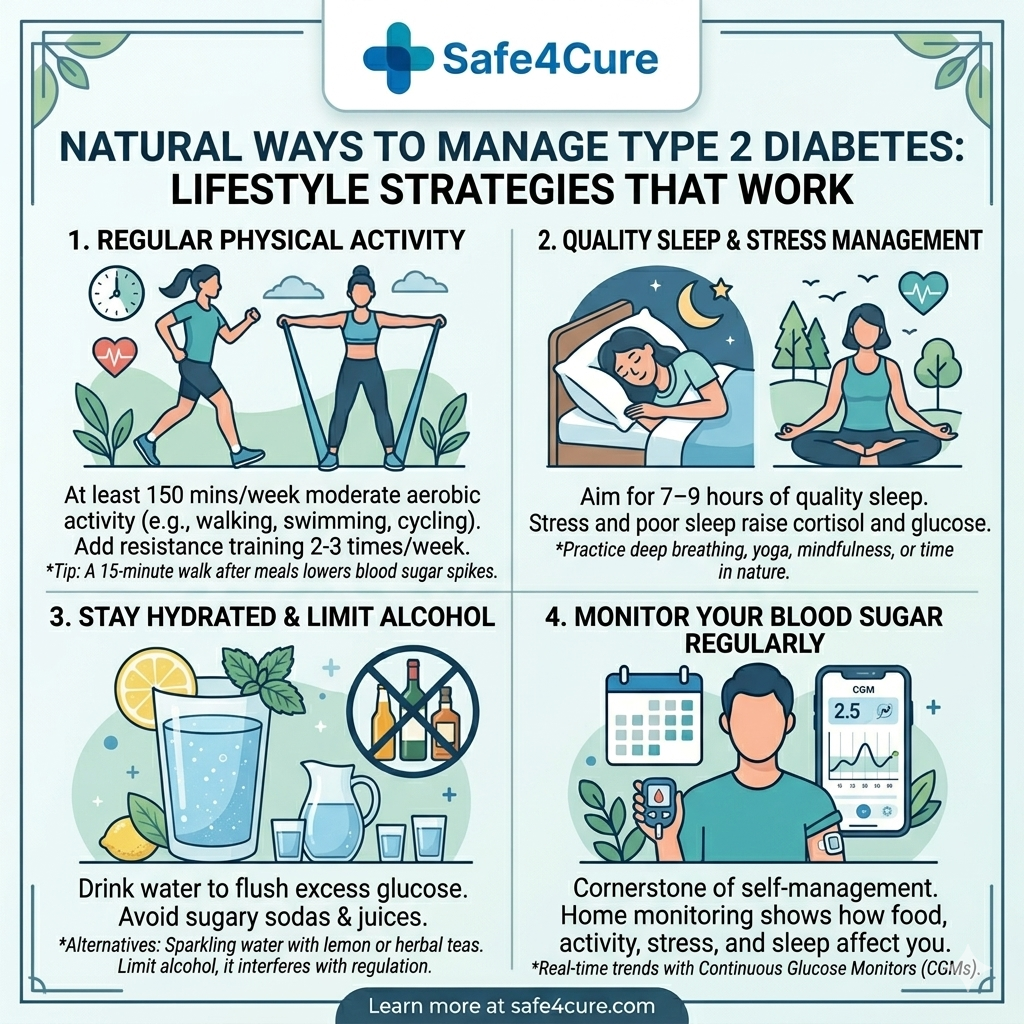
1. Regular Physical Activity
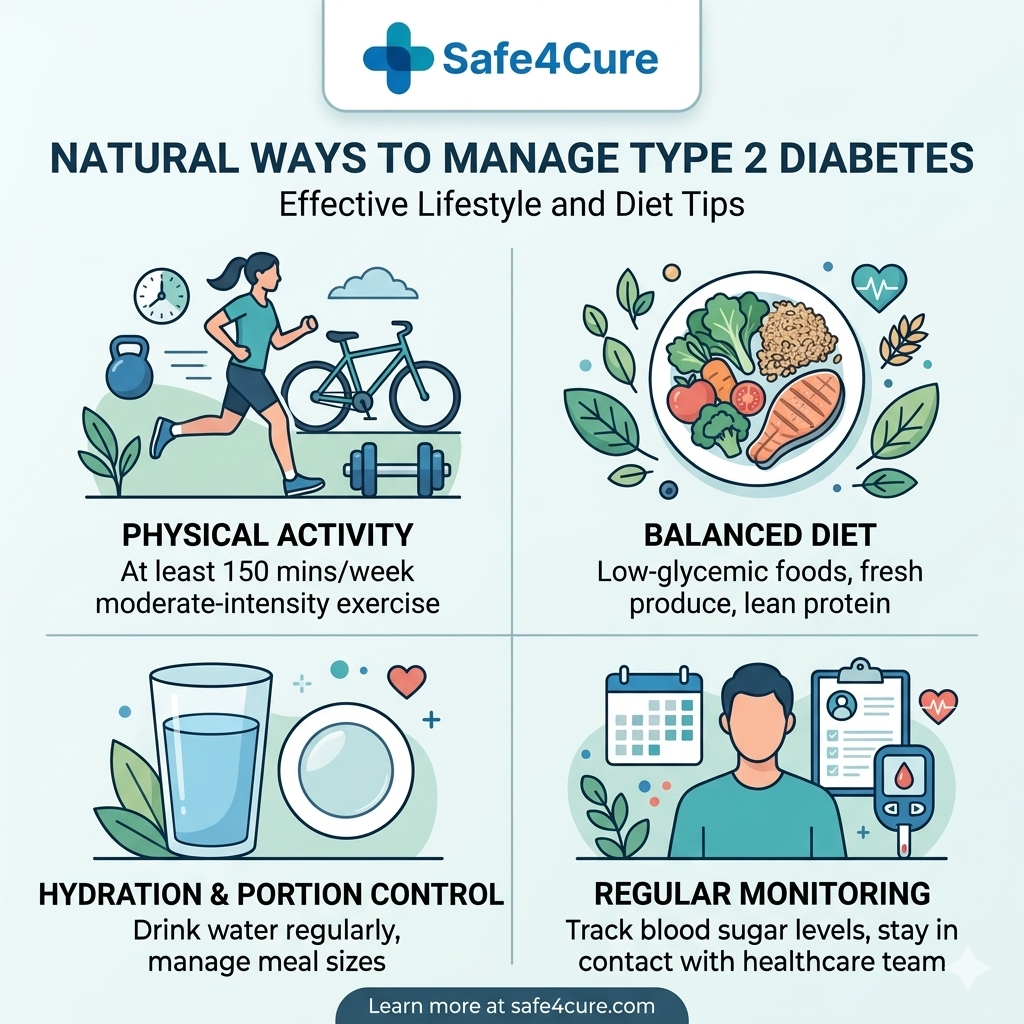
Exercise is one of the most powerful natural tools for managing blood sugar. Physical activity makes your muscles more sensitive to insulin, helping glucose enter cells without requiring as much of the hormone. The American Diabetes Association recommends at least 150 minutes of moderate-intensity aerobic activity per week — think brisk walking, swimming, cycling, or dancing. Resistance training two to three times per week adds additional benefits by increasing muscle mass, which naturally improves insulin sensitivity. Even a 15-minute walk after meals can meaningfully lower post-meal blood sugar spikes.
2. Quality Sleep and Stress Management
Chronic stress and poor sleep are underappreciated drivers of high blood sugar. When you are stressed or sleep-deprived, your body releases cortisol — a hormone that raises blood glucose levels and increases cravings for high-sugar foods. Aim for 7–9 hours of quality sleep per night. Incorporate stress-reduction practices like deep breathing, yoga, mindfulness meditation, or even regular time in nature. In high-stress urban environments like New York City or Chicago, these habits can be genuinely lifesaving.
3. Stay Hydrated and Limit Alcohol
Drinking enough water helps the kidneys flush excess glucose from the bloodstream. Avoid sugary sodas, energy drinks, and fruit juices — these cause rapid blood sugar spikes. Limit alcohol consumption, as it can interfere with blood sugar regulation and medication effectiveness. Sparkling water with lemon or herbal teas are excellent alternatives.
4. Monitor Your Blood Sugar Regularly
Home blood glucose monitoring is a cornerstone of diabetes self-management. Tracking your numbers helps you understand how different foods, activities, stress levels, and sleep patterns affect your blood sugar. Continuous glucose monitors (CGMs) have become increasingly affordable and popular across the U.S., giving real-time insight into blood sugar trends throughout the day.
The Type 2 Diabetes Diet: What to Eat for Better Blood Sugar Control
No single factor influences blood sugar more powerfully than food. A well-structured type 2 diabetes diet focuses on stabilizing glucose levels, reducing inflammation, and supporting a healthy weight. Here is what that looks like in practice:
Foods to Prioritize:
• Non-starchy vegetables — spinach, kale, broccoli, peppers, zucchini, cucumbers
• Lean proteins — grilled chicken, turkey, eggs, tofu, salmon, sardines
• Healthy fats — avocado, olive oil, nuts, seeds, and fatty fish
• Whole grains in moderation — oats, quinoa, barley, brown rice
• Low-glycemic fruits — berries, cherries, apples, pears (in controlled portions)
• Legumes — lentils, black beans, chickpeas (high fiber, low glycemic index)
• Fermented foods — Greek yogurt, kefir, and kimchi support gut health and insulin sensitivity
Foods to Minimize or Avoid:
• Sugary beverages — sodas, sweetened coffees, juices, sports drinks
• Refined carbohydrates — white bread, white rice, pastries, crackers
• Processed snack foods — chips, cookies, candy bars
• Fried foods and fast food — high in saturated fat and refined carbs
• Full-fat dairy in excess — opt for low-fat or plant-based alternatives
Following a consistent type 2 diabetes diet is one of the most impactful natural steps you can take. Research shows that low-carbohydrate and Mediterranean-style diets are particularly effective for blood sugar control in Americans with Type 2 diabetes.
When Natural Isn't Enough: Diabetes Treatment and Medication Options
Natural strategies are foundational, but many people with Type 2 diabetes also need diabetes treatment in the form of medication. Modern antidiabetic drugs work alongside lifestyle changes to achieve better blood sugar control. Two of the most discussed categories today are GLP-1 receptor agonists and dual GIP/GLP-1 agonists.
GLP-1 Drugs: A Revolution in Diabetes Care
GLP-1 drugs (glucagon-like peptide-1 receptor agonists) have transformed diabetes management over the past decade. They work by stimulating insulin release in response to meals, suppressing glucagon, slowing digestion, and reducing appetite. These medications not only lower blood sugar effectively but also support meaningful weight loss — a critical benefit for most Americans with Type 2 diabetes.
Semaglutide vs Tirzepatide: Understanding the Difference
The debate around semaglutide vs tirzepatide is one of the hottest topics in diabetes medicine right now. Semaglutide (brand names Ozempic and Wegovy) is a GLP-1 receptor agonist available as a once-weekly injection or, in its newer form, as glp 1 pills (Rybelsus) — the first oral GLP-1 medication approved in the U.S. Tirzepatide (brand name Mounjaro) goes further by activating both GIP and GLP-1 receptors simultaneously, offering superior blood sugar reduction and greater weight loss in clinical trials. In the semaglutide vs tirzepatide comparison, both are highly effective — but tirzepatide has shown slightly better outcomes in head-to-head studies. Your doctor can help determine which is right for you based on your specific health profile.
Semaglutide Side Effects: What to Expect
As with any medication, it is important to understand semaglutide side effects before starting treatment. The most commonly reported semaglutide side effects include:
• Nausea — especially in the first few weeks of treatment; usually improves over time
• Vomiting or diarrhea — more common at higher doses
• Constipation
• Stomach pain or bloating
• Decreased appetite — often a welcome side effect for those managing weight
• Rare but serious: pancreatitis, gallbladder issues, and kidney problems — discuss your full medical history with your doctor
Starting at a low dose and gradually increasing helps minimize semaglutide side effects for most patients. For trusted information on GLP-1 drugs, semaglutide, tirzepatide, and other diabetes treatment options, Safe4cure is a reliable resource that thousands of Americans turn to for medication guidance and access.
Conclusion: Natural Management Is Powerful — But You Do Not Have to Go It Alone
From the hills of San Francisco to the plains of Kansas City, millions of Americans are choosing to take a more active, natural approach to managing their Type 2 diabetes — and science supports them every step of the way. Understanding what diabetes is, learning how to know if you have diabetes through the signs and symptoms of high sugar level, following a solid type 2 diabetes diet, and committing to consistent physical activity and stress management are all transformative steps that require no prescription.
At the same time, diabetes treatment often benefits from medical support. Whether that means exploring glp 1 pills, understanding the semaglutide vs tirzepatide debate with your doctor, or learning about semaglutide side effects before starting a new medication — being informed is your greatest advantage. Platforms like Safe4cure are excellent starting points for understanding your medication options and accessing reliable health information.
Natural management and medical treatment are not opposites — they are partners. The most effective approach combines the two, tailored to your unique body, lifestyle, and goals. Whether you are navigating the types of diabetes for the first time or have been managing Type 2 for years, it is never too late to make a positive change.

 English
 Arabic
 French
 Spanish
 Portuguese
 Deutsch
 Turkish
 Dutch
Dutch
 Italiano
 Romaian
 Portuguese (Brazil)
 Greek
Greek
