


A Simple Guide to Flipped Classroom Meaning in Modern Education
Introduction
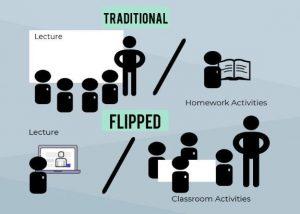
Flipped classroom meaning can be understood as a shift in how learning happens both inside and outside the classroom. Instead of using class time mainly for lectures, students first explore new topics on their own, usually at home, and then use classroom time to practice, discuss, and apply what they have learned.
To better understand the flipped classroom meaning, it helps to see how it changes the learning experience. In this method, students are no longer passive listeners. They come to class prepared with basic knowledge, which allows teachers to focus more on interaction and deeper learning during class sessions.
Understanding the Flipped Classroom Model
The flipped classroom model is based on a simple idea: move direct instruction out of the classroom and bring active learning into it. Students are introduced to new concepts before class through videos, reading materials, or presentations.
Once they are in class, the focus shifts to:
- Group discussions
- Problem-solving exercises
- Practical applications
- Question-and-answer sessions
This model helps students engage more actively, as they are already familiar with the topic before class begins.
A Practical Example from Everyday Learning
Imagine a science class where the topic is the water cycle. In a traditional setup, the teacher would explain the entire concept during class, and students would go home to complete assignments.
In a flipped setup, students might watch a short video or read about the water cycle at home. When they come to class, they participate in activities such as:
- Creating diagrams in groups
- Explaining the process to classmates
- Conducting small experiments
This hands-on approach makes the lesson more memorable and easier to understand.
Why This Approach Is Gaining Attention
The flipped classroom model is becoming popular because it encourages a more active learning environment. Here are some key reasons why educators are adopting it:
1. More Interactive Classrooms
Instead of long lectures, students spend class time engaging with each other. This interaction improves communication and teamwork skills.
2. Better Use of Time
Class time is used for practice and clarification rather than just delivering information. This helps students clear doubts instantly.
3. Flexible Learning Pace
Students can learn at their own speed outside the classroom. They can pause, rewind, or revisit content whenever needed.
4. Increased Responsibility
Students take more ownership of their learning, which builds discipline and confidence over time.
Role of Teachers in a Flipped Classroom
In this model, the teacher’s role changes significantly. Instead of being the main source of information, teachers act as facilitators who guide students through activities and discussions.
They:
- Support students during problem-solving
- Provide feedback in real time
- Encourage participation
- Help clarify difficult concepts
This shift allows teachers to focus more on individual learning needs.
Common Challenges and Simple Solutions
While the flipped classroom model offers many benefits, it also comes with a few challenges.
Lack of Preparation
Some students may not review the material before class. To address this, teachers can keep pre-class content short and engaging.
Limited Access to Resources
Not all students have access to digital tools. Providing offline materials or printed resources can help bridge this gap.
Adjustment Period
Both teachers and students may need time to adapt. Starting with small changes instead of a complete shift can make the transition smoother.
Using Activities to Strengthen Learning
Activities play a major role in making the flipped classroom effective. When students actively participate, they understand concepts more clearly.
For example, teachers can include:
- Peer discussions
- Case studies
- Role-playing tasks
- Group problem-solving
These types of activities encourage collaboration and make learning more meaningful.
Is It Suitable for All Subjects?
The flipped classroom approach can be applied to many subjects, including:
- Mathematics for solving problems step by step
- Language classes for discussion and practice
- Social studies for debates and analysis
- Science for experiments and exploration
It works especially well in subjects where understanding and application are more important than memorization.
Conclusion
The flipped classroom meaning goes beyond just changing when students learn—it changes how they learn. By moving basic instruction outside the classroom and using class time for interaction, this approach creates a more engaging and supportive learning environment.
The flipped classroom model helps students become active participants, improves understanding, and makes classroom time more valuable. While it may take some effort to implement, it offers a practical way to make learning more effective and enjoyable for both students and teachers.

 English
 Arabic
 French
 Spanish
 Portuguese
 Deutsch
 Turkish
 Dutch
Dutch
 Italiano
 Russian
 Romaian
 Greek
Greek
