


How GPS and Telematics Are Revolutionizing Logistics and Fleet Management?
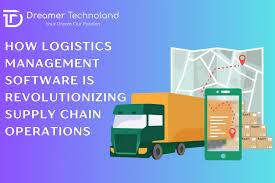
The logistics industry has changed greatly in the last few years. Earlier, companies had to depend on phone calls, paper records, and manual updates to track their vehicles. This often caused delays, confusion, and higher costs. Today, technology like GPS and telematics has completely improved the way transport businesses operate.
With modern fleet management systems, companies can now track vehicles in real time, reduce fuel costs, improve driver safety, and deliver goods faster. These changes are making logistics smarter and more efficient.

What Is GPS Tracking?
GPS tracking is a technology that shows the exact location of a vehicle using satellites. It allows companies to see where their trucks, vans, or delivery vehicles are at any time.
Instead of calling drivers for updates, managers can open a dashboard and check live vehicle locations. This saves time and improves communication.
GPS tracking helps companies:
- Find the shortest and fastest routes
- Avoid traffic delays
- Reduce fuel usage
- Improve delivery accuracy
- Prevent vehicle misuse
This simple but powerful technology has become the backbone of modern fleet management.
Understanding Telematics
Telematics goes one step further than GPS tracking. It not only tracks location but also collects important vehicle data. For example, telematics systems can monitor:
- Speed
- Fuel consumption
- Engine health
- Sudden braking
- Driving behavior
This information helps businesses improve driver performance and reduce maintenance costs. If a vehicle shows signs of a mechanical problem, the system can send alerts before it becomes serious.
Telematics helps companies save money and avoid unexpected breakdowns.
Smarter Fleet Management
Today, fleet management is not just about owning vehicles. It is about managing them smartly using technology.
With a modern fleet management app, managers can:
- Track vehicles in real time
- Assign tasks to drivers
- Monitor fuel usage
- Check maintenance schedules
- Generate performance reports
The best part is that everything can be accessed from a mobile phone or computer. This makes operations simple and organized.
Businesses that use fleet management apps often see better productivity and fewer delivery delays.
Role of Logistics Management Software
Logistics involves planning, transporting, storing, and delivering goods. Handling all of this manually can be difficult.
This is where Logistics Management Software becomes very useful. It helps businesses:
- Plan routes efficiently
- Manage warehouses
- Track shipments
- Handle invoices and documents
- Improve customer communication
When GPS tracking and telematics are connected with Logistics Management Software, companies get complete control over their operations.
This integration reduces errors and improves overall performance.
Importance of Custom Software Development
Every business has different needs. A small delivery company may not require the same features as a large transport company. That is why many companies work with a fleet management software development company to create custom solutions.
A professional development company can build systems that match the company’s size, goals, and workflow. Through proper vehicle management software development, businesses can add features like:
- Custom dashboards
- Automated alerts
- Fuel monitoring systems
- Driver scorecards
- Real-time analytics
Custom solutions give more flexibility and control compared to ready-made software.
Improving Driver Safety
Driver safety is one of the biggest concerns in logistics. Telematics systems can track harsh braking, overspeeding, and sudden turns. Managers can use this data to train drivers and improve safety standards.
Safer driving means:
- Fewer accidents
- Lower insurance costs
- Less vehicle damage
- Better company reputation
This is another reason why modern fleet management systems are so valuable.
Reducing Operational Costs
Fuel and maintenance are major expenses in transportation. GPS tracking helps reduce unnecessary travel and idling time. Telematics helps detect engine problems early.
With the help of a fleet management app, companies can monitor fuel usage and vehicle health in real time. This reduces waste and prevents costly repairs.
In the long run, businesses save a significant amount of money by using smart fleet management systems.
Real-World Business Applications
Many industries benefit from GPS and telematics. For example:
- Delivery and courier services
- Construction companies
- Public transport providers
- Rental car businesses
Even specialized businesses, such as those using glass shop management software, can integrate fleet tracking to manage deliveries of glass products safely and on time.
No matter the industry, vehicle tracking improves efficiency and customer satisfaction.
Better Customer Service
Customers today expect fast and accurate deliveries. With GPS tracking, companies can give customers real-time updates about their shipments.
If there is a delay, managers can quickly adjust routes or inform customers in advance. This builds trust and improves customer experience.
A good fleet management system ensures that goods reach their destination safely and on time.
The Future of Fleet Management
Technology will continue to improve logistics operations. In the future, we may see:
- AI-based route optimization
- Electric vehicle monitoring systems
- Automated maintenance scheduling
- Advanced driver performance tracking
Businesses that invest in strong vehicle management software development today will be better prepared for future challenges.
Working with a trusted fleet management software development company ensures that the system is secure, scalable, and easy to use.
Conclusion
GPS and telematics have completely changed how logistics and transportation companies operate. With modern fleet management tools, businesses can track vehicles, reduce costs, improve safety, and deliver better service.
From simple GPS tracking systems to advanced Logistics Management Software, technology is making fleet operations smarter and more efficient. By using a powerful fleet management app and investing in proper software solutions, companies can stay competitive in a fast-moving world.
Related Article:
What Is the Real Cost of Building Fleet Management Software in 2026?
How to Build an MVP App: A Complete Guide for Startups?
How Does Edge AI Technology Improve Fleet Management?
Complete Information About Agile Methodology In Software Development

 English
 Arabic
 French
 Spanish
 Portuguese
 Deutsch
 Turkish
 Dutch
Dutch
 Italiano
 Romaian
 Portuguese (Brazil)
 Greek
Greek
