


Professional Embroidery Digitizing Services for Flawless Stitch Quality
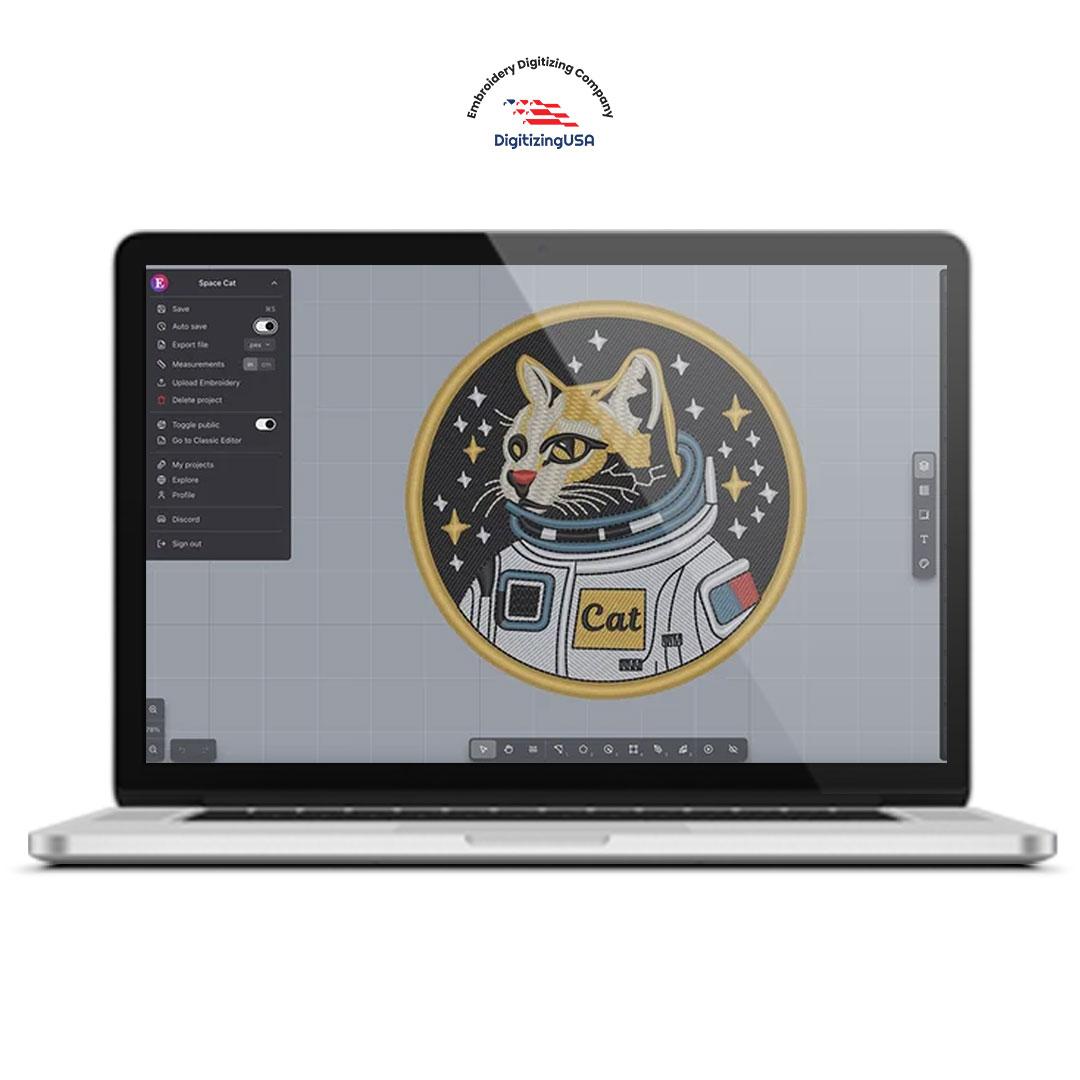
Embroidery has always been a powerful way to bring designs to life on fabric. From corporate logos to custom artwork, embroidery adds a premium and professional touch. However, behind every perfectly stitched design lies a critical process known as embroidery digitizing services.
Embroidery digitizing is not just about converting an image into a stitch file—it is a technical and creative process that determines how your design will look once stitched. With a humanized approach, embroidery digitizing becomes more accurate, efficient, and visually appealing.
In this detailed guide, we will explore everything you need to know about embroidery digitizing services, their importance, process, benefits, and how they ensure flawless embroidery results.
What Are Embroidery Digitizing Services?
Embroidery digitizing services involve converting artwork, logos, or images into a digital format that embroidery machines can read. These formats include DST, PES, EXP, JEF, and more.
Instead of printing ink on fabric, embroidery machines use thread to create designs. Digitizing tells the machine exactly:
-
Where to stitch
-
What type of stitch to use
-
The direction of stitches
-
Stitch density and spacing
-
Thread color sequence
This process requires expertise because every design behaves differently when stitched on fabric.
Why Embroidery Digitizing Is Important
Many people assume embroidery machines automatically understand designs, but that’s not true. Without proper digitizing, even the best machines cannot produce quality results.
Professional embroidery digitizing services ensure:
-
Clean and sharp design output
-
Proper alignment and proportions
-
Smooth stitching without gaps
-
Reduced thread breaks
-
Fabric compatibility
Poor digitizing can lead to issues like puckering, uneven stitching, and distorted designs. That’s why skilled digitizing is essential.
Humanized Embroidery Digitizing – What Does It Mean?
Humanized embroidery digitizing focuses on real-world results rather than automated software outputs. While many tools offer auto-digitizing, they often fail to produce high-quality embroidery.
A humanized approach means:
-
Manually setting stitch types
-
Adjusting density based on fabric
-
Planning stitch direction carefully
-
Minimizing trims and jumps
-
Ensuring smooth thread flow
This approach ensures that the final embroidery looks clean, professional, and visually appealing.
The Complete Process of Embroidery Digitizing
Embroidery digitizing is a step-by-step process that requires attention to detail and technical expertise.
1. Artwork Analysis
The first step is understanding the design. The digitizer evaluates:
-
Complexity of the design
-
Size requirements
-
Fabric type
-
Stitch limitations
Not all designs can be stitched as they are. Some may need adjustments for better results.
2. File Preparation
The artwork is cleaned and optimized. This includes:
-
Removing unnecessary details
-
Simplifying complex elements
-
Adjusting colors
This step ensures the design is ready for digitizing.
3. Stitch Type Selection
Different parts of the design require different stitch types:
-
Satin stitch for borders and text
-
Fill stitch for large areas
-
Run stitch for fine details
Choosing the right stitch type is crucial for quality.
4. Underlay Application
Underlay stitches act as a foundation for top stitches. They help:
-
Stabilize fabric
-
Improve stitch quality
-
Prevent distortion
Proper underlay is essential for professional results.
5. Stitch Direction and Pathing
Stitch direction affects the texture and appearance of the design. Good pathing ensures:
-
Smooth transitions
-
Minimal thread trims
-
Faster production
6. Density Adjustment
Density refers to how closely stitches are placed. Too much density can cause thread breaks, while too little can create gaps.
A skilled digitizer balances density based on fabric type and design.
7. Testing and Editing
After digitizing, the file is tested and refined. Adjustments are made to:
-
Fix stitching issues
-
Improve alignment
-
Enhance overall quality
Types of Embroidery Digitizing Services
Embroidery digitizing services cover a wide range of design needs.
Logo Digitizing
Perfect for businesses looking to embroider logos on uniforms, caps, or promotional items.
3D Puff Digitizing
Used for raised embroidery, commonly seen on caps. Requires special techniques for depth.
Cap Digitizing
Designed specifically for curved surfaces like hats and caps.
Jacket Back Digitizing
Large designs for jackets require careful planning and stitch management.
Appliqué Digitizing
Combines fabric and stitching for creative designs.
Small Letter Digitizing
Requires precision to maintain readability and clarity.
Benefits of Professional Embroidery Digitizing Services
Choosing professional embroidery digitizing services offers several advantages.
High-Quality Output
Your designs look clean, sharp, and visually appealing.
Time Efficiency
Well-digitized files reduce machine time and errors.
Cost Savings
Less thread waste and fewer reworks save money.
Consistency
Every design is stitched the same way every time.
Fabric Compatibility
Designs are optimized for different materials.
Common Mistakes in Embroidery Digitizing
Avoiding mistakes is key to achieving high-quality results.
-
Overly dense stitching
-
Poor underlay usage
-
Incorrect stitch direction
-
Ignoring fabric type
-
Using auto-digitizing without editing
These mistakes can ruin the final output.
Choosing the Right Embroidery Digitizing Service
Selecting the right service provider is important for success.
Look for:
-
Experience and expertise
-
Portfolio of previous work
-
Fast turnaround time
-
Good customer support
-
Understanding of embroidery techniques
A reliable provider ensures consistent quality.
The Role of Technology in Embroidery Digitizing
Modern software has improved embroidery digitizing, but human input is still essential.
Popular tools help with:
-
Design visualization
-
Stitch simulation
-
File conversion
However, manual adjustments are necessary for professional results.
Future of Embroidery Digitizing Services
The embroidery industry continues to evolve with new technologies and trends.
Future developments include:
-
AI-assisted digitizing
-
Faster production methods
-
Improved software tools
-
More customization options
Despite these advancements, human expertise will always play a key role.
Why Businesses Need Embroidery Digitizing Services
Embroidery digitizing services are essential for:
-
Branding and marketing
-
Uniform production
-
Promotional products
-
Custom apparel
High-quality embroidery enhances brand image and professionalism.
Final Thoughts
Embroidery digitizing services are the backbone of successful embroidery. Without proper digitizing, even the best designs can fail on fabric.
A humanized approach ensures that every stitch is carefully planned and executed. It combines technical expertise with creative understanding to produce outstanding results.
Whether you are a business owner, designer, or embroidery enthusiast, investing in professional embroidery digitizing services is the key to achieving flawless, high-quality embroidery.

 English
 Arabic
 French
 Spanish
 Portuguese
 Turkish
 Dutch
Dutch
 Italiano
 Russian
 Romaian
 Portuguese (Brazil)
 Greek
Greek
