


Choosing the Right Wood Type for File Cabinets in the USA
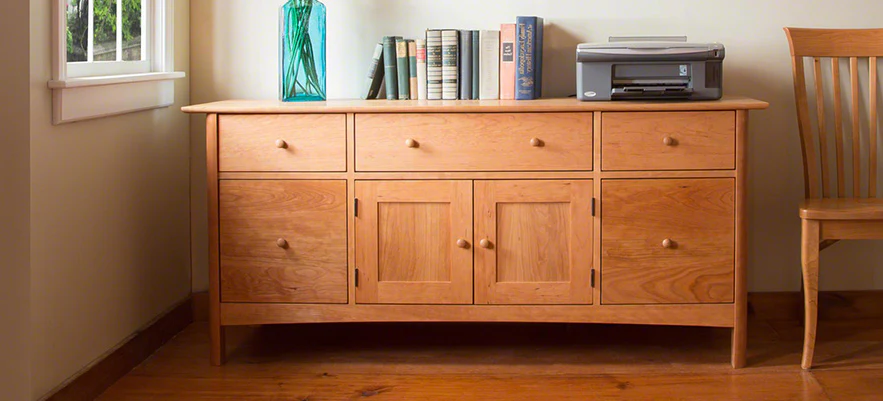
Introduction
In recent years, wooden storage furniture has regained popularity across the United States due to its durability, warmth, and timeless appeal. Among these, file cabinet wooden designs stand out as an essential choice for both home offices and professional workspaces.
Choosing the right wood type is not just about appearance; it directly impacts longevity, maintenance, functionality, and how well the cabinet fits into your interior style. From modern corporate offices in New York to home studies in California, understanding wood types helps buyers make informed decisions that balance beauty with performance.
Why Wood Type Matters in File Cabinets
Wood is a natural material, and each type has its own grain pattern, hardness, and resistance to wear. In file cabinets, these characteristics influence how well the cabinet handles weight from files, how it reacts to humidity changes common in different US regions, and how long it maintains its structural integrity. Softer woods may dent more easily, while hardwoods often provide superior strength and a premium finish. Selecting the right wood type ensures that the cabinet supports daily use without compromising on style or safety.
Hardwoods vs Softwoods for File Cabinets
When choosing wood for file cabinets, buyers in the USA often encounter two main categories: hardwoods and softwoods. Hardwoods such as oak, maple, walnut, and cherry are sourced from deciduous trees and are known for their density and durability. These woods are ideal for file cabinets that need to hold heavy documents over many years. Softwoods like pine or cedar come from coniferous trees and are generally lighter and more affordable, making them suitable for lighter use or decorative storage in home offices. Understanding this distinction helps match the cabinet’s purpose with the right material.
Oak Wood File Cabinets for Strength and Tradition
Oak is one of the most popular wood choices in the United States for office furniture. Its strong grain structure makes it highly resistant to daily wear, which is important for file cabinets that are opened and closed frequently. Oak file cabinets offer a classic appearance that works well in traditional offices, law firms, and home libraries. The wood also accepts stains well, allowing buyers to choose finishes that complement both modern and rustic interiors.
Maple Wood for a Clean and Modern Look
Maple wood is favored for its smooth texture and light, uniform color. In American home offices, maple file cabinets are often chosen for contemporary or minimalist interiors. This wood is dense and durable, making it suitable for storing heavy files without sagging. Maple also resists scratches better than many other woods, which is an advantage in busy office environments. Its subtle grain makes it an excellent option for those who prefer understated elegance.
Walnut Wood for Premium Office Spaces
Walnut is associated with luxury and sophistication. Its rich, dark tones and distinctive grain patterns make walnut file cabinets a statement piece in executive offices across the USA. While walnut is slightly softer than oak or maple, it still offers excellent durability when properly crafted. This wood is ideal for those who value aesthetics as much as functionality, especially in professional settings where furniture reflects brand image and professionalism.
Cherry Wood for Warmth and Elegance
Cherry wood is known for its warm reddish-brown tones that deepen over time. Many American homeowners choose cherry file cabinets for home offices because the wood ages gracefully, adding character with use. Cherry is moderately hard, making it strong enough for file storage while remaining easier to shape into refined designs. Its natural aging process appeals to those who appreciate furniture that develops personality over the years.
Pine Wood as an Affordable Option
Pine is a softwood commonly used for budget-friendly file cabinets in the USA. It is lightweight and easy to move, making it suitable for flexible workspaces or temporary setups. Pine has visible knots that give it a rustic charm, often favored in farmhouse-style home offices. While it may not be as durable as hardwoods, proper construction and finishing can significantly extend its lifespan.
Sustainability and Wood Sourcing in the USA
For environmentally conscious buyers, sustainability plays an important role in choosing wood types. Many US manufacturers now use responsibly sourced or reclaimed wood for file cabinets. Hardwoods like oak and maple can be sustainable when harvested from managed forests. Reclaimed wood options add unique character while reducing environmental impact. Considering sustainability ensures that your purchase aligns with eco-friendly values without sacrificing quality.
Climate Considerations Across the United States
The diverse climate across the USA affects how wood furniture performs. In humid regions such as the Southeast, wood expansion can be an issue, making stable hardwoods a better choice. In drier areas like the Southwest, properly sealed wood prevents cracking. Choosing the right wood type and finish helps file cabinets adapt to regional climate conditions, ensuring long-term durability and performance.
Maintenance and Care of Wooden File Cabinets
Different wood types require varying levels of maintenance. Hardwoods generally need minimal care, such as occasional polishing and dusting. Softer woods may require more attention to prevent dents and scratches. In American offices, regular maintenance not only preserves the appearance of wooden file cabinets but also extends their functional life. Understanding care requirements helps buyers select wood types that match their lifestyle and maintenance preferences.
Customization and Finish Options
One advantage of wooden file cabinets is the wide range of customization options available in the USA. Different wood types respond uniquely to stains, paints, and finishes. Oak and maple are versatile and adapt well to various finishes, while walnut and cherry are often left with natural finishes to highlight their grain. Choosing the right wood type enhances customization possibilities and ensures the final product meets both aesthetic and functional needs.
Cost Considerations for Different Wood Types
Budget plays a significant role in selecting wood for file cabinets. Hardwoods generally come at a higher price point due to their durability and appearance. Softwoods offer a more economical option for those prioritizing cost over longevity. In the US market, understanding price differences helps buyers balance investment with expected usage, ensuring value for money over time.
Choosing the Right Wood Based on Usage
The intended use of the file cabinet should guide wood selection. Heavy-duty office use requires strong hardwoods, while light home use may accommodate softer woods. In shared workspaces or commercial offices across the USA, durability becomes a priority. Matching wood type to usage ensures the cabinet performs well without unnecessary expense.
Conclusion: Making the Right Choice for Wooden File Cabinets in the USA
Selecting the right wood type for file cabinets involves balancing durability, appearance, maintenance, and budget. Whether you prefer the strength of oak, the modern appeal of maple, or the luxury of walnut, understanding wood characteristics leads to smarter purchasing decisions. For buyers in the USA seeking quality craftsmanship and timeless design, Crafters and Weavers offers wooden file cabinets that combine functionality with enduring style, making them a reliable choice for both home and office environments.
FAQs
What is the best wood type for a file cabinet in the USA?
The best wood type depends on usage and preference. Hardwoods like oak and maple are ideal for heavy-duty office use due to their strength and durability. Walnut and cherry are preferred for premium or executive offices, while pine suits lighter home use.
Are wooden file cabinets durable enough for daily office use?
Yes, when made from quality hardwoods and proper construction, wooden file cabinets can handle daily use in American offices. Choosing the right wood type ensures long-term performance and stability.
How does climate in the USA affect wooden file cabinets?
Climate impacts wood expansion and contraction. In humid regions, stable hardwoods with proper sealing perform best. In dry climates, well-finished wood prevents cracking, ensuring durability across different US regions.
Is sustainable wood available for file cabinets?
Many manufacturers in the USA offer sustainably sourced or reclaimed wood options. These choices support environmental responsibility while maintaining quality and unique design appeal.
How should wooden file cabinets be maintained?
Regular dusting, occasional polishing, and avoiding excessive moisture help maintain wooden file cabinets. Maintenance needs vary by wood type, with hardwoods generally requiring less care than softer woods.

 English
 Arabic
 French
 Spanish
 Portuguese
 Deutsch
 Turkish
 Dutch
Dutch
 Italiano
 Russian
 Romaian
 Greek
Greek
