


What Is the Cost of a Circuit Breaker and How to Select
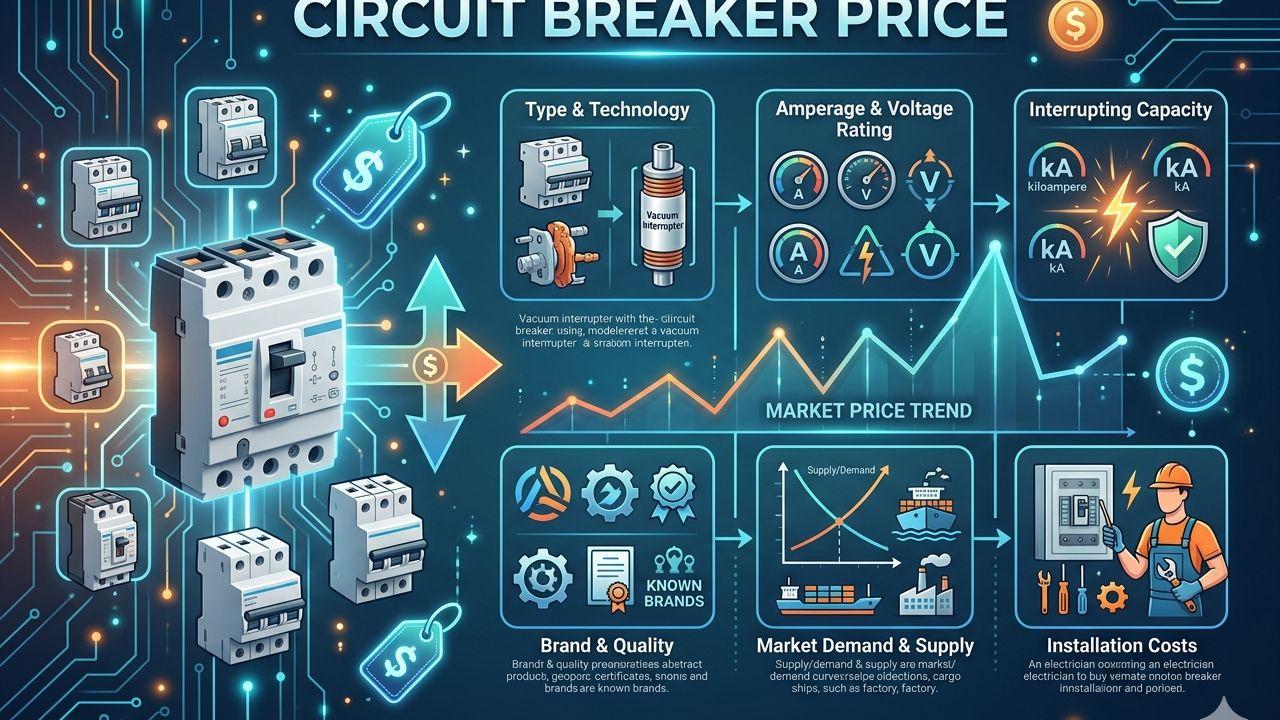
Electrical safety is a top priority in homes, offices, and industries. One of the most essential components for safeguarding electrical systems is the circuit breaker. But when it comes to buying a circuit breaker, many people ask: What is the circuit breaker price, and how can I select the right one for my needs? In this article, we will explore everything you need to know about circuit breakers, their types, factors affecting prices, and tips for making an informed purchase.
Understanding Circuit Breakers
A circuit breaker is an automatic electrical switch designed to protect electrical circuits from damage caused by overcurrent or short circuits. Essentially, it acts as a safety device that interrupts the flow of electricity in case of faults, preventing fires, equipment damage, or electric shocks. Unlike fuses, circuit breakers can be reset and reused, making them more convenient for both residential and commercial applications.
Key Functions of a Circuit Breaker:
-
Protects wiring and appliances from damage.
-
Prevents electrical fires caused by overloads.
-
Allows safe isolation of electrical circuits for maintenance.
-
Provides reliability in both domestic and industrial power systems.
Types of Circuit Breakers
Circuit breakers come in different types, and the choice often influences the circuit breaker price. Here are the most common types:
-
Miniature Circuit Breakers (MCB):
MCBs are commonly used in residential and commercial buildings. They are compact, easy to install, and protect circuits from overloads and short circuits. -
Molded Case Circuit Breakers (MCCB):
MCCBs handle higher voltage and current ratings. They are suitable for industrial applications and large commercial setups. -
Earth Leakage Circuit Breakers (ELCB) / Residual Current Circuit Breakers (RCCB):
These are designed to protect against earth faults and leakage currents. ELCBs are essential in areas with high electrical hazards. -
Air Circuit Breakers (ACB) and Oil Circuit Breakers (OCB):
Used in high-voltage applications, such as power plants or heavy industries. These are more expensive but essential for large-scale power protection.
Factors Affecting Circuit Breaker Price
Understanding what affects the circuit breaker price helps in making a cost-effective and safe purchase. Some key factors include:
-
Type of Circuit Breaker:
As mentioned above, MCBs are generally cheaper, while ACBs and MCCBs for industrial use are more expensive. -
Voltage and Current Rating:
Circuit breakers are rated for specific voltage (V) and current (A). Higher ratings mean they can handle more power, which usually increases the price. -
Brand and Quality:
Trusted brands may have higher prices, but they ensure better safety, reliability, and durability. Low-cost breakers might save money initially but can fail under stress. -
Technology and Features:
Advanced features like adjustable trip settings, remote monitoring, and energy efficiency can increase the cost. -
Material and Build:
Circuit breakers with durable materials and superior construction tend to last longer, influencing their price.
Circuit Breaker Price Range
The circuit breaker price varies depending on type, rating, and brand. Here is an approximate range for reference:
-
MCB (Residential Use): $5 – $25 per unit
-
MCCB (Industrial Use): $50 – $500 per unit
-
RCCB / ELCB: $15 – $100 per unit
-
ACB / High Voltage Industrial Breakers: $1,000 – $10,000 per unit
These prices may vary by region, supplier, and availability. In addition, buying in bulk for industrial projects often reduces the unit price.
How to Choose the Right Circuit Breaker
Choosing the right circuit breaker is crucial for safety and long-term efficiency. Here are practical steps:
-
Assess Electrical Load:
Calculate the total electrical load and identify the circuits that need protection. This will help determine the correct current rating. -
Understand Circuit Requirements:
Residential circuits generally need MCBs or RCCBs, whereas industries require MCCBs or ACBs for higher capacity. -
Consider Environmental Factors:
Factors like humidity, temperature, and dust levels can affect the performance of circuit breakers. Outdoor installations may require weatherproof or corrosion-resistant models. -
Check Standards and Certifications:
Ensure that the circuit breaker meets national and international safety standards such as IEC, UL, or IS. -
Evaluate Price vs. Quality:
While budget is important, prioritize safety and reliability. Investing in a high-quality breaker may save costs related to electrical damage in the long run.
Examples of Common Applications
-
Residential: Protects home appliances, lighting circuits, and outlets. MCBs and RCCBs are sufficient.
-
Commercial Buildings: Offices, shopping malls, and hotels require MCCBs and ELCBs to manage higher loads.
-
Industrial Plants: Factories and heavy industries often use MCCBs and ACBs for machinery and power distribution.
-
Power Distribution Systems: High-voltage breakers ensure the stability of the grid and prevent large-scale outages.
Tips to Reduce Circuit Breaker Costs Without Compromising Safety
-
Compare Multiple Brands: Look for brands with similar quality and warranty but different pricing.
-
Buy in Bulk for Projects: Bulk purchases often come with discounts.
-
Use Energy-Efficient Breakers: Advanced breakers reduce power wastage and lower electricity bills.
-
Work With Licensed Suppliers: Ensure authentic products to avoid cheap, counterfeit breakers.
-
Maintenance Plans: Regular maintenance can extend the lifespan, saving replacement costs.
Conclusion
Understanding the circuit breaker price and the factors that influence it is essential for both residential and industrial electrical safety. Choosing the right type, rating, and brand can protect lives, property, and electrical equipment from damage. While prices vary, prioritizing quality and compliance with safety standards ensures a reliable and long-lasting solution. Whether you are installing a simple home MCB or a high-capacity industrial ACB, careful selection will provide peace of mind and efficient power management.
Investing in the right circuit breaker is not just a purchase; it is an investment in safety, efficiency, and the longevity of your electrical systems. Always compare prices, check certifications, and select a model that fits both your electrical requirements and your budget.

 English
 Arabic
 French
 Spanish
 Portuguese
 Turkish
 Dutch
Dutch
 Italiano
 Russian
 Romaian
 Portuguese (Brazil)
 Greek
Greek
