


The Sacred Significance of Buddha & Deity Statues
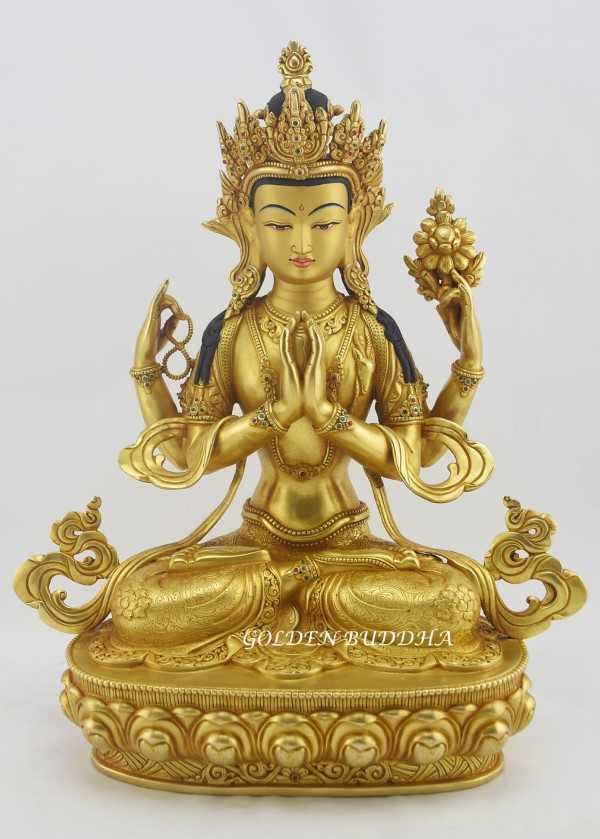
Buddha and deity statues have been cherished for centuries, symbolizing spiritual guidance, wisdom, and protection. More than ornamental pieces, these statues are tools for meditation, devotion, and reflection. Buddha statues embody qualities like enlightenment, mindfulness, and inner peace, encouraging individuals to cultivate compassion and serenity. Deity statues, found in Hinduism, Buddhism, and other spiritual traditions, represent specific virtues or blessings, such as prosperity, healing, or strength. Placing these statues in homes, temples, or meditation areas creates a sacred atmosphere, fostering spiritual connection and mindfulness. Beyond spiritual significance, they are admired for their artistic craftsmanship and cultural heritage, reflecting centuries of human devotion and creativity. Their presence serves as a tangible reminder of higher consciousness, guiding individuals in daily life toward inner balance, wisdom, and positivity.
Historical Roots and Cultural Significance
Buddha and deity statues have a rich history spanning thousands of years. Early Buddha statues appeared in India around the 1st century CE to depict the enlightened state and teachings of the Buddha. Deity statues emerged across Hindu, Buddhist, and East Asian traditions, representing gods and goddesses with unique attributes, postures, and symbolic items. These statues were crafted not only as devotional objects but also to educate followers about spiritual principles and cultural traditions. Over time, their styles, materials, and designs evolved, reflecting local artistic expressions and philosophical beliefs. Understanding their historical background highlights humanity’s enduring quest to connect with the divine and express spiritual ideals visually and meaningfully.
Materials and Craftsmanship
Buddha and deity statues are created using various materials like bronze, brass, gold, stone, wood, and resin. Each material carries unique symbolic significance: bronze and gold are thought to enhance spiritual energy, while wood and stone provide grounding and natural presence. Artisans pay meticulous attention to detail, carefully sculpting facial expressions, hand gestures (mudras), and symbolic elements. These features convey spiritual qualities, such as compassion, wisdom, or protection. The choice of material, along with the skill of the craftsman, ensures that the statue functions both as a spiritual tool and as a work of art, bridging aesthetics and devotion.
Symbolism and Spiritual Meaning
Every Buddha or deity statue carries rich symbolic meaning. Buddha statues often illustrate enlightenment, serenity, and mindfulness, while deity statues embody blessings or virtues like abundance, wisdom, or protection. For example, Ganesha removes obstacles, Lakshmi brings prosperity, and Avalokiteshvara embodies compassion. The posture, gestures, facial expressions, and accompanying objects communicate spiritual lessons and virtues. Meditating or reflecting in front of these statues helps practitioners internalize the qualities they represent, fostering inner peace, mindfulness, and spiritual growth in daily life.
Placement and Ritual Practices
Placement of Buddha and deity statues is a vital aspect of spiritual practice. Statues are positioned in meditation spaces, home altars, temples, or sacred areas to encourage reflection and mindful energy. Rituals often accompany these placements, including offerings of flowers, incense, or prayers to honor the spiritual essence of the statue. Proper positioning and rituals are believed to enhance positive energy, protection, and blessings. Even in modern homes, thoughtful placement of statues fosters a sacred, serene environment, supporting mindfulness, spiritual focus, and inner harmony.
Modern Relevance and Uses
Today, Buddha and deity statues are appreciated for both spiritual and artistic value. People use them in meditation rooms, homes, and workplaces to cultivate calm, focus, and mindfulness. They are also admired as cultural artifacts, showcasing centuries of craftsmanship, symbolism, and artistic heritage. Contemporary designs often merge traditional iconography with modern aesthetics, allowing statues to serve as both decorative and spiritual objects. Their enduring appeal highlights humanity’s desire for connection with higher consciousness, inner peace, and spiritual guidance, proving that these sacred symbols remain relevant and inspiring across generations and cultures.

 Arabic
 French
 Spanish
 Portuguese
 Deutsch
 Turkish
 Dutch
Dutch
 Italiano
 Russian
 Romaian
 Portuguese (Brazil)
 Greek
Greek
