


What Is the Best Way to Handle Hot Food To Go?
Hot food brings comfort and joy, but it can lose quality very fast if not handled with care. When food leaves the kitchen, it enters a different space where heat, air, and movement can change its taste and safety. Many people think packing food is simple, yet small mistakes can cause big problems. Steam can make items soggy. Heat can escape. Bacteria can grow if the food cools too much. That is why the best way to handle hot food starts with understanding temperature control and safe packaging.
How Can Temperature Be Maintained During Transport?
Maintaining correct temperature during delivery requires planning and coordination between kitchen staff and drivers. Hot food must stay above safe heat level to reduce risk of bacterial growth during travel. Insulated boxes help trap internal heat, while double layer boxes slow down heat loss through the outer surface. Packaging food immediately before dispatch prevents early cooling inside the box. Delays between cooking and sealing reduce food quality and safety.
Delivery teams should follow the shortest possible routes to avoid unnecessary waiting time. Traffic planning, driver communication and organized pickup schedule help maintain heat during transport. Even small steps such as tightly closing lids and sealing flaps securely, support temperature retention and prevent exposure to outside air.
What Packaging Materials Work for Hot Food?
Selecting the correct packaging material plays an important role in maintaining food quality. Thin plastic may soften under high heat and can trap steam inside the box which changes the food texture. Paper based boxes with small ventilation openings support airflow while holding warmth inside the structure. Cardboard boxes with an inner lining provide insulation and reduce moisture build up for many dishes. Soups and curries require leak resistant boxes that prevent spillage during movement.
Food safe materials should always be used to avoid chemical release when exposed to high temperatures. Many businesses choose kraft or coated paper because the balance between insulation and airflow protects both heat and texture. Packaging choice influences customer satisfaction because the appearance and condition of food affect the experience.
How Does Ventilation Affect Food Quality?
Steam forms naturally when hot food remains enclosed inside the box. Without ventilation, absorbed moisture softens fried surfaces and changes texture quickly. Small air vents allow excess steam to escape while maintaining internal heat. Balanced ventilation prevents sogginess without allowing too much heat to escape from the package.
A bakery once faced repeated complaints about pastries losing crisp texture during delivery. After adding controlled vent openings in box design, customer feedback improved and product condition remained stable during transport. Ventilation strategy supports freshness and maintains structure of food items during travel.
Why Is Safe Sealing Important for Hot Food?
Proper sealing protects food from contamination and physical damage during movement. The delivery process includes bumps, turns and sudden stops that may cause boxes to shift inside bags. Without secure closure sauces can leak and lids may loosen. Tight folds, strong adhesives and fitted lids prevent accidental openings.
Tamper evident seals provide added reassurance to customers because packaging shows clear signs if opened before arrival. Strong closure also reduces heat escape by limiting airflow around the food surface. Staff training ensures each order receives final inspection before dispatch which prevents costly mistakes and protects business credibility.
How Can Delivery Time Impact Hot Food?
Delivery duration has a direct impact on food temperature and taste. Even well insulated packaging cannot fully protect food during extended travel time. Preparing orders only when the driver arrives for pickup reduces the waiting period between cooking and dispatch. Coordinated scheduling between kitchen and delivery service maintains freshness and warmth.
Weather conditions, traffic congestion and long distance routes increase cooling risk. Clear communication between staff members reduces unnecessary delay inside the restaurant. Customers expect food to arrive in conditions similar to dine in service. Efficient time management supports consistent quality and reduces complaint rate.
What Role Does Hygiene Play in Handling?
Hygiene practices remain essential when packaging hot food for takeaway. Staff members should wash hands thoroughly before touching boxes or sealing packages. Work surfaces must stay clean and separate from raw food preparation zones. Use of gloves and hair covers reduces contamination risk during the packaging stage.
Safe storage of cooked food before dispatch prevents exposure to bacteria or airborne particles. Regular training sessions remind staff about food safety guidelines and temperature control standards. Clean handling process protects public health and builds customer confidence through responsible service practices.
How Can Portion Control Improve Takeaway Experience?
Correct portion size prevents packaging stress and food displacement during transport. Overfilled boxes increase risk of leakage and lid separation while underfilled packages reduce perceived value for customers. Balanced portions allow proper closure and stable positioning inside the delivery bag.
Matching box size with serving volume supports heat retention because internal air space remains controlled. Clear labeling of serving information reduces confusion for customers upon arrival. Portion control supports consistency, reduces waste and keeps presentation intact during the journey from kitchen to doorstep.
Why Are Paper Based Solutions Gaining Attention?
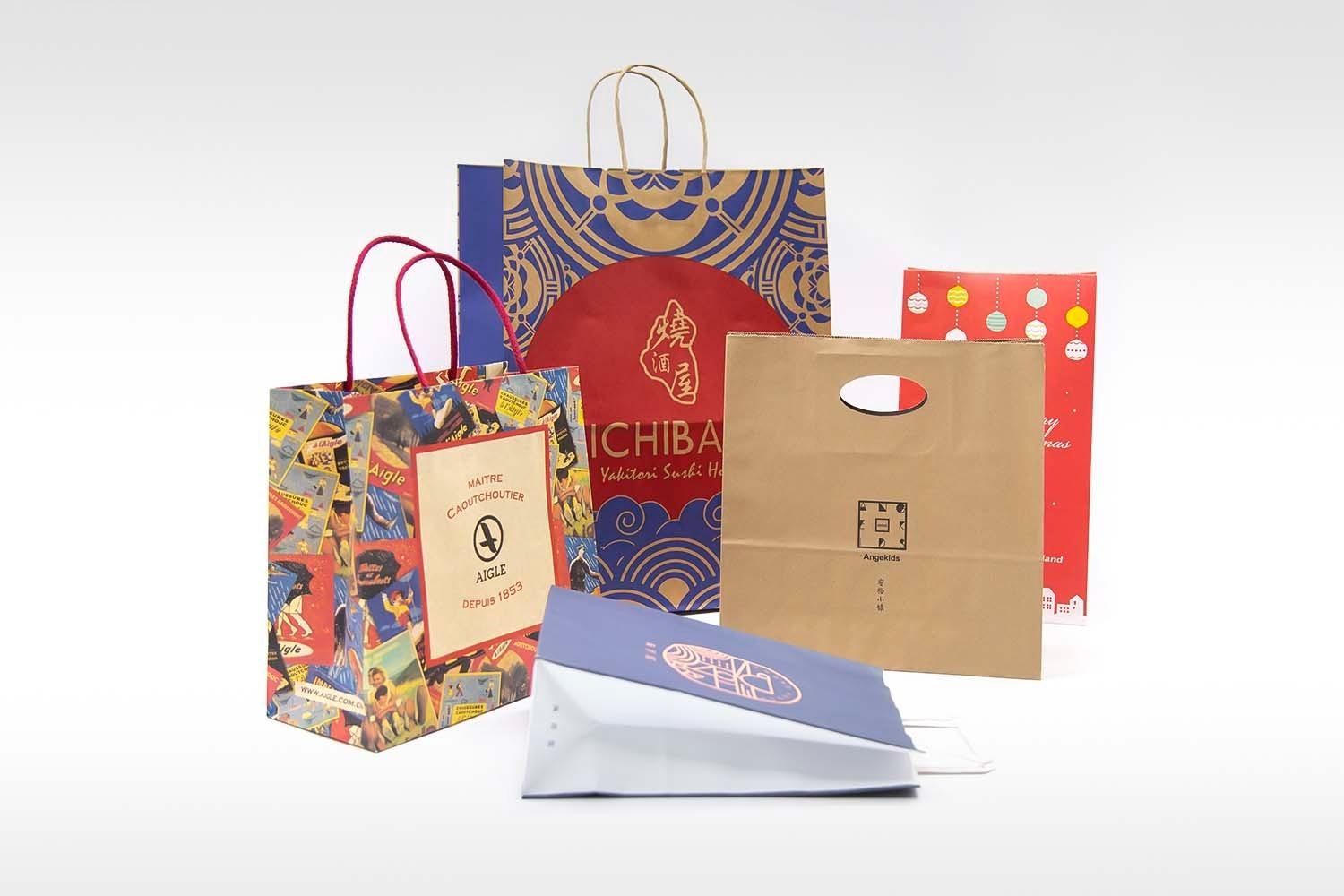
Paper packaging has gained a strong presence in the food service industry due to practical and environmental reasons. Breathable structure allows steam release while still holding warmth for a reasonable period. Many businesses now use personalized paper bags for takeaway orders because they are practical and easy to carry.
Paper materials reduce dependence on plastic and respond to growing customer awareness about waste management. In the USA several small restaurants have adopted paper solutions to meet local packaging guidelines and customer preference. Shift toward paper based packaging reflects broader change in food service practices.
How Can Businesses Improve Customer Confidence?
Customer trust grows when the handling process remains transparent and consistent. Informing customers about temperature control measures and safe packaging methods shows responsibility. Adding reheating instructions when needed helps maintain food quality after arrival.
Clean appearance of packaging, secure seals and organized presentation create a sense of care and reliability. Honest communication about delivery timing and food safety practices builds long term loyalty. Confidence develops through consistent experience rather than marketing claims.
What Should Startups Consider Before Choosing Packaging?
New food businesses often focus on recipe development and menu design yet packaging decisions influence customer perception equally. Cost, durability, insulation capacity and safety certification must be evaluated before final selection. Testing different packaging samples under real delivery conditions helps identify potential weaknesses.
Some startups explore suppliers that understand takeaway requirements. Companies like Packlim provide packaging solutions designed for food transport without adding complexity to the process. Careful planning during the early stage prevents operational challenges and protects product quality during expansion.
How Does Smart Packaging Support Business Growth?
Functional packaging supports smooth operations and repeat business. When boxes hold heat properly and prevent leakage customer satisfaction improves naturally. Organized design also reflects brand identity effectively without relying on heavy promotion.
Consistent packaging quality reduces complaint handling time and product waste. Proper handling of hot food strengthens business reputation and encourages long term growth. Attention to detail in the packaging process influences the overall success of takeaway service.

 English
 Arabic
 French
 Spanish
 Portuguese
 Deutsch
 Turkish
 Italiano
 Russian
 Romaian
 Portuguese (Brazil)
 Greek
Greek
