


Private Pilot Kit: Essential Gear for Safety and Flight Preparedness
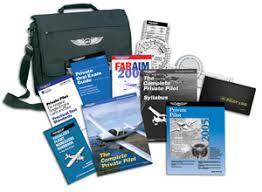
Flying as a private pilot comes with the responsibility of being fully prepared for every aspect of a flight. A Private Pilot Kit is an essential collection of tools, supplies, and resources designed to enhance safety, comfort, and situational awareness. Whether you are flying solo, with passengers, or on cross-country trips, having the right kit ensures you are equipped for both routine operations and unexpected challenges.
A Private Pilot Kit is more than just equipment, it represents a pilot’s commitment to safety, preparedness, and professionalism. From emergencies to long-duration flights, the kit provides items that support first aid, navigation, communication, and personal comfort. By keeping everything organized and accessible, pilots can maintain focus on flying without distraction, while also being prepared for any unforeseen circumstances.
Core Components of a Private Pilot Kit
The contents of a Private Pilot Kit vary depending on the pilot’s experience, flight type, and personal preferences. However, certain categories of items are essential for every pilot.
First Aid and Medical Supplies
Safety begins with the ability to manage minor injuries and health issues. Every Private Pilot Kit should include:
-
Bandages and gauze pads
-
Adhesive tape and antiseptic wipes
-
Pain relief medication
-
Tweezers and small scissors
These items allow pilots to address minor injuries efficiently without compromising flight safety. For private pilots flying with passengers, a well-stocked first aid kit also ensures everyone onboard can be cared for during unexpected incidents.
Emergency and Survival Tools
Flying over remote areas or regions with limited support requires readiness for unexpected situations. A Private Pilot Kit should include basic survival and safety tools such as:
-
Compact flashlight
-
Whistle and reflective signal mirror
-
Multipurpose survival tool
-
Thermal blanket
These items enhance safety in off-airport scenarios or in-flight diversions. A thermal blanket can prevent hypothermia during unplanned stops, while signaling devices help rescuers locate the pilot or aircraft efficiently.
Navigation and Flight Planning Essentials
Even with modern avionics and GPS systems, pilots benefit from traditional navigation tools for backup purposes. Essential navigation items for a Private Pilot Kit include:
-
Waterproof sectional charts
-
Compass
-
Flight log notepad and pencil
-
Backup watch for timekeeping
These tools ensure pilots can maintain situational awareness and safely navigate when electronic systems fail or when flying in areas with limited connectivity.
Communication and Technology Tools
Communication is critical for safety. While aircraft radios are standard, a Private Pilot Kit should include supplementary communication tools such as:
-
Portable phone charger
-
Spare batteries
-
Small emergency beacon
These items provide additional ways to maintain communication in case of equipment malfunction or battery failure, helping pilots stay connected during emergency situations or extended flights.
Personal Comfort and Endurance Items
Flying can be physically demanding, especially on long trips. A Private Pilot Kit should include items that maintain comfort and alertness, such as:
-
Bottled water
-
Energy bars or snacks
-
Sunglasses and sunscreen
-
Gloves for temperature protection
These items help pilots stay focused, reduce fatigue, and maintain energy levels, ensuring safer and more comfortable flight experiences.
Choosing the Right Private Pilot Kit
Selecting a Private Pilot Kit requires consideration of the types of flights, typical duration, and regions in which the pilot operates. A pilot who primarily flies local circuits may prefer a lightweight, compact kit, while long cross-country flights or trips over remote terrain may require a more extensive setup. Key considerations include:
-
FAA-approved or aviation-specific kits: Ensures compliance with safety standards.
-
Weight and storage: Kits should fit conveniently in the cockpit or flight bag.
-
Regular inspection: Replacing expired medical supplies and testing electronic devices is essential.
-
Personalization: Adding items specific to health needs, climate, or flight type enhances readiness.
By tailoring a Private Pilot Kit to personal flying habits, pilots optimize preparedness without adding unnecessary bulk or complexity.
Benefits of a Private Pilot Kit
The value of a Private Pilot Kit goes beyond the physical items it contains. It provides pilots with confidence and peace of mind, knowing they are prepared for a wide range of scenarios. Key benefits include:
-
Reduced stress during unexpected events: Quick access to tools and supplies helps pilots manage emergencies calmly.
-
Enhanced situational awareness: Backup navigation and communication tools support better decision-making.
-
Improved personal safety: First aid and survival supplies protect pilots and passengers in case of unplanned incidents.
-
Professionalism and preparedness: Maintaining a well-equipped kit demonstrates responsibility and commitment to safety.
Integrating a Private Pilot Kit Into Flight Routine
To maximize its effectiveness, a Private Pilot Kit should become a standard part of pre-flight planning. Pilots should:
-
Inspect the kit regularly for missing or expired items
-
Ensure batteries in communication devices are charged
-
Familiarize themselves with the location and use of each item
-
Adjust the contents seasonally or based on specific flight routes
This integration ensures the kit is always ready and accessible, enhancing safety without distracting from flight operations.
Final Words
A Private Pilot Kit is an indispensable companion for every private pilot. From first aid and survival tools to navigation, communication, and comfort items, it provides comprehensive support for safety and preparedness. Regardless of flight experience, type of aircraft, or flight length, carrying a well-maintained Private Pilot Kit ensures that pilots are equipped to handle emergencies, maintain comfort, and make informed decisions during every flight. Investing time in assembling and maintaining such a kit reflects professionalism and enhances both personal and passenger safety, making every flight more secure and confident.

 English
 Arabic
 French
 Spanish
 Portuguese
 Deutsch
 Turkish
 Dutch
Dutch
 Italiano
 Russian
 Romaian
 Greek
Greek
