Global investment markets have historically been limited by geography, regulations, and high entry barriers. Many valuable assets such as real estate, commodities, private equity, and infrastructure projects have remained accessible mainly to large institutions and wealthy investors. Cross-border investment also involves legal complexity, high transaction costs, and lengthy settlement periods. These challenges have slowed the flow of capital across international markets and restricted participation in high-value assets.
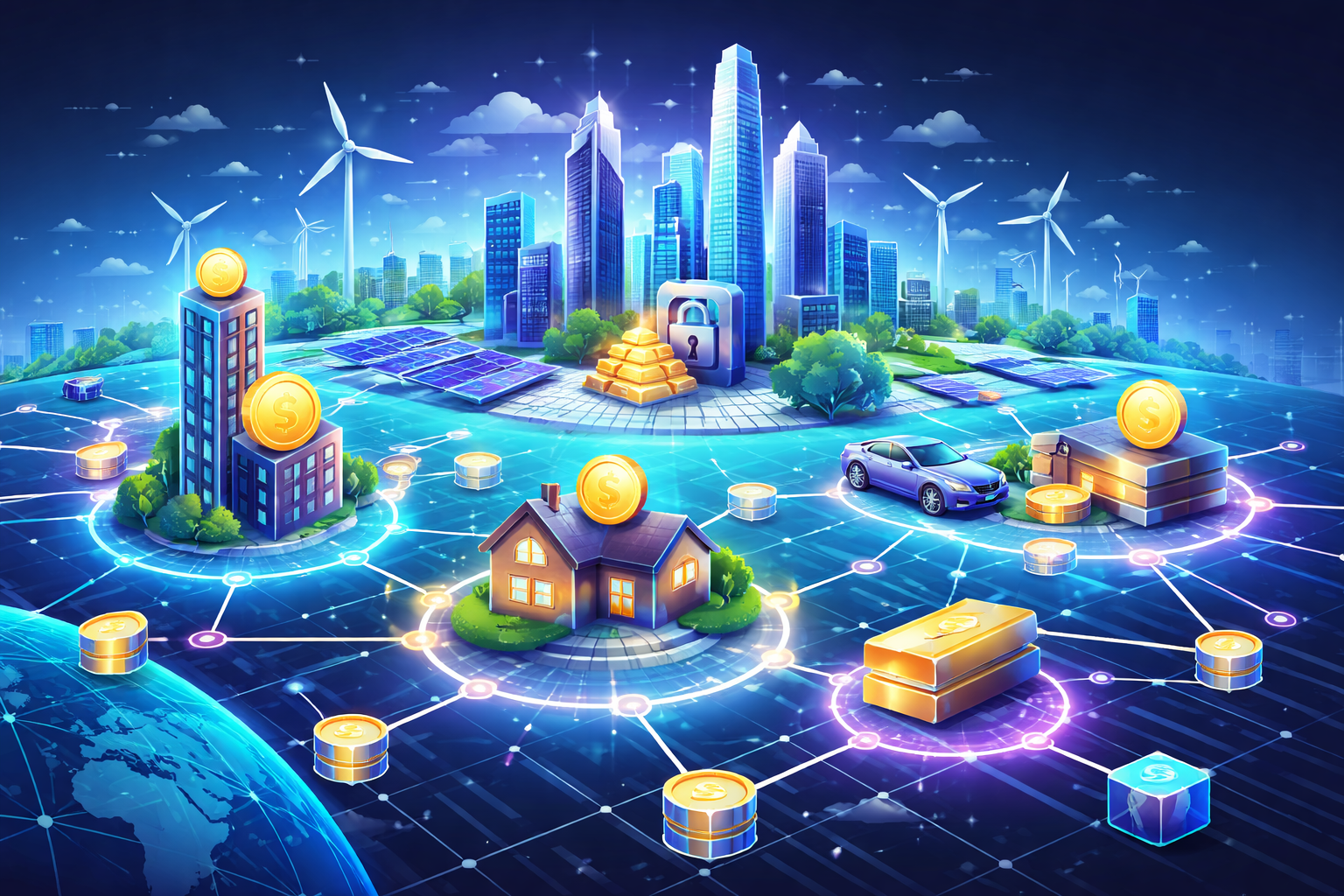
Real World Asset Tokenization is emerging as a digital financial model that connects physical assets with blockchain infrastructure. By representing ownership rights as blockchain-based tokens, assets can be divided into smaller units and distributed across digital networks. This structure opens the possibility for investors from different regions to participate in asset markets that were previously difficult to access.
The rise of RWA Tokenization is closely connected with the growth of decentralized finance ecosystems, blockchain infrastructure, and digital asset markets. Financial institutions, startups, and asset managers are now evaluating how tokenized assets can support cross-border investments while maintaining regulatory compliance and asset security. The combination of digital ownership records and blockchain verification has introduced new ways to manage, trade, and distribute real-world assets.
As international markets continue to expand digitally, Real World Asset Tokenization is gradually forming a framework where assets are not limited by national boundaries. Investors can gain exposure to global assets while asset owners gain access to a wider pool of capital.
Understanding Real World Asset Tokenization
Real World Asset Tokenization refers to the process of converting ownership rights of physical or traditional financial assets into blockchain-based tokens. These tokens represent a fractional share or complete ownership of an underlying asset such as real estate, commodities, artwork, infrastructure, or financial instruments.
Through this approach, assets that were once difficult to divide or transfer can be represented digitally and distributed through blockchain networks. Each token corresponds to a specific share of the asset, allowing multiple investors to participate without requiring full ownership of the underlying property.
RWA Tokenization creates a digital representation of the asset while maintaining the legal structure that governs ownership. The tokens serve as records of investment participation and can be managed through smart contract frameworks and blockchain protocols.
RWA token development typically involves asset evaluation, legal structuring, token creation, and digital distribution through blockchain-based platforms. Once the tokenized asset enters a blockchain network, investors can purchase or trade tokenized shares within compliant marketplaces.
This structure offers a pathway for asset owners to access global capital while investors gain exposure to diversified asset classes across international markets.
The Need for Borderless Investment Opportunities
Traditional investment models often involve complex procedures when capital flows across international boundaries. Investors must consider regulatory restrictions, currency conversions, intermediary institutions, and settlement processes that vary between countries.
Large financial institutions have the resources to navigate these complexities. However, individual investors and smaller firms frequently encounter limitations when attempting to invest in foreign asset markets.
Real World Asset Tokenization presents an alternative model where digital tokens represent ownership rights, allowing investors to participate through blockchain-based platforms. Instead of relying entirely on traditional financial infrastructure, tokenized assets can be transferred digitally through decentralized networks while maintaining legal documentation associated with the underlying asset.
This structure reduces reliance on intermediaries and introduces a system where investors from multiple regions can participate in the same asset market. For instance, a property located in one country could have tokenized ownership distributed among investors located across several continents.
Through rwa tokenization platform development, digital infrastructure is being designed to support these cross-border investment flows while maintaining compliance with financial regulations.
Asset Classes Benefiting from Tokenization
Real World Asset Tokenization can apply to a wide variety of physical and financial assets. Several sectors are currently experimenting with tokenized asset structures.
Real estate is among the most prominent sectors adopting tokenization. Property assets traditionally require large capital commitments and involve complex ownership transfers. Tokenization allows properties to be divided into smaller digital shares that can be distributed to multiple investors.
Commodities such as gold, silver, and agricultural products are also entering tokenized markets. Blockchain tokens representing these assets can reflect physical reserves stored in secure facilities.
Infrastructure projects such as energy plants, transportation networks, and renewable energy farms have also gained attention within tokenization ecosystems. Tokenized investment participation can attract capital from international investors interested in long-term infrastructure returns.
Art and collectibles represent another asset category gaining attention in tokenized investment markets. Rare artwork and high-value collectibles can be divided into tokenized shares, allowing investors to participate without purchasing the entire asset.
Financial instruments such as bonds, loans, and private equity funds are also entering tokenized frameworks through RWA tokenization development services.
The Role of Blockchain Infrastructure
Blockchain infrastructure serves as the technical foundation behind Real World Asset Tokenization. Blockchain networks provide distributed ledgers that record transactions and ownership records across a decentralized network of participants.
Each token transaction is recorded on the blockchain, creating a verifiable record of asset ownership and transfer history. This digital record system allows investors and asset managers to track ownership distribution across tokenized assets.
Smart contracts are also integrated within many RWA token development systems. These contracts contain programmable rules that govern how tokens can be transferred, traded, or distributed among participants. For example, dividend payments from a tokenized property investment could be distributed automatically through smart contract protocols.
Through rwa tokenization platform development, companies are designing digital environments where tokenized assets can be issued, traded, and monitored through blockchain networks.
A RWA tokenization development company may work on creating digital infrastructure that connects asset owners, investors, custodians, and compliance systems within a unified tokenization ecosystem.
Fractional Ownership and Market Accessibility
One of the major economic implications of Real World Asset Tokenization lies in fractional ownership structures. Many valuable assets have historically required significant capital investment. Real estate properties, infrastructure projects, and private equity funds often involve large investment thresholds.
Tokenization divides these assets into smaller digital units that represent partial ownership. Investors can purchase fractions of an asset rather than committing to full ownership.
This structure introduces broader market participation. Individuals who previously could not invest in high-value assets may gain access through smaller tokenized investment units.
RWA Tokenization Services frequently focus on structuring assets in a way that supports fractional ownership while maintaining legal clarity regarding investor rights and obligations.
Asset owners also benefit from fractional distribution. Instead of selling an entire property or asset, owners can distribute tokenized shares while maintaining partial ownership.
This structure creates liquidity opportunities within markets that were previously considered illiquid.
Digital Marketplaces for Tokenized Assets
Tokenized assets require digital marketplaces where investors can purchase, sell, or exchange tokenized shares. These marketplaces operate through blockchain platforms and financial compliance systems.
RWA tokenization platform development often includes the creation of digital exchanges or secondary markets where tokenized assets can circulate among investors. These platforms integrate identity verification systems, regulatory compliance frameworks, and blockchain transaction records.
Through such platforms, investors can participate in tokenized markets using digital wallets that store tokenized asset shares.
RWA tokenization development services may also include wallet infrastructure, asset management interfaces, and reporting systems that help investors monitor their tokenized holdings.
Digital marketplaces also allow asset managers to list new tokenized investment opportunities while providing investors with data related to asset performance and market activity.
Regulatory Considerations in Tokenized Investment Markets
Regulation remains a major consideration within Real World Asset Tokenization ecosystems. Because tokenized assets represent real ownership rights, they must comply with existing financial regulations and asset ownership laws.
Governments and financial authorities across several countries have begun examining frameworks for tokenized securities and digital asset markets. These regulations aim to protect investors while supporting innovation within blockchain financial systems.
RWA Tokenization Company operations often involve collaboration with legal advisors, financial regulators, and compliance specialists. Asset tokenization must align with securities laws, anti-money laundering standards, and investor protection frameworks.
RWA tokenization development services frequently incorporate compliance mechanisms such as identity verification, transaction monitoring, and jurisdiction-based access restrictions.
Legal clarity remains an important factor for institutional investors considering participation in tokenized asset markets.
Institutional Interest in Tokenized Assets
Institutional investors have begun paying attention to tokenized real-world assets as digital financial markets continue to expand. Asset management firms, banks, and investment funds are evaluating tokenization as a method for diversifying portfolios and reaching new investment markets.
Large financial institutions have started experimenting with tokenized bonds, tokenized real estate funds, and tokenized commodities. These initiatives demonstrate growing interest in blockchain-based asset representation.
RWA tokenization development company solutions often focus on providing infrastructure for institutional-grade tokenization platforms. These platforms must meet strict regulatory and security standards.
Institutional participation also contributes to market liquidity and credibility within tokenized asset ecosystems.
As digital financial infrastructure matures, institutional investors may increasingly allocate capital toward tokenized asset markets.
Global Capital Distribution Through Tokenization
One of the most significant implications of Real World Asset Tokenization is its potential impact on global capital distribution. Traditional financial systems often concentrate investment opportunities within developed markets and established financial centers.
Tokenization introduces the possibility for capital to flow into emerging markets through digital asset distribution. Infrastructure projects, agricultural investments, and property developments in developing regions could attract capital from international investors.
Through rwa tokenization platform development, asset managers can present investment opportunities to a global investor base. Investors from different countries may participate in the same asset ecosystem without requiring complex cross-border financial procedures.
This structure supports a more interconnected investment environment where digital infrastructure bridges geographical investment barriers.
Security and Custody Considerations
Security and custody remain critical components within tokenized asset systems. Investors must have confidence that tokenized assets accurately represent the underlying physical or financial asset.
Custodial systems are responsible for maintaining the physical assets associated with tokenized shares. For example, a tokenized gold asset must correspond to physical gold stored in secure vaults.
RWA Tokenization Services frequently involve partnerships with custodians, auditors, and legal entities that confirm the existence and management of the underlying asset.
Blockchain records provide transaction verification, while custodial institutions provide assurance regarding asset storage and legal ownership structures.
RWA token development frameworks often include multi-layer security mechanisms, including wallet protection, encryption protocols, and access management systems.
Market Liquidity and Investment Flexibility
Liquidity has long been a challenge for many real-world assets. Real estate, infrastructure projects, and private equity investments often involve long holding periods and limited exit options.
Tokenized assets introduce digital trading opportunities that may increase liquidity within these markets. Investors can transfer or sell tokenized shares through digital asset marketplaces.
RWA Tokenization allows investors to adjust their portfolio exposure without waiting for full asset liquidation. Partial ownership shares may be transferred independently of the entire asset.
This structure creates more flexible investment models compared with traditional asset ownership structures.
RWA tokenization development services often focus on designing trading environments where tokenized shares can circulate efficiently within regulated marketplaces.
The Expanding Ecosystem of Tokenization Companies
The growth of tokenized asset markets has led to the emergence of companies focused specifically on tokenization infrastructure. A RWA Tokenization Company typically provides services that connect asset owners with blockchain technology and digital investor networks.
These companies may assist with asset evaluation, legal structuring, token creation, compliance integration, and marketplace listing. Their role is to bridge the gap between traditional asset markets and blockchain-based investment platforms.
RWA tokenization development company solutions may include blockchain architecture design, token issuance frameworks, digital wallet integration, and regulatory compliance modules.
As tokenized asset markets continue to develop, the ecosystem of service providers supporting tokenization is also expanding.
The Future of Borderless Investments
Real World Asset Tokenization is gradually introducing new structures within global investment markets. By linking physical assets with blockchain infrastructure, tokenized investment models create new opportunities for capital participation across geographical boundaries.
Investors may gain exposure to international asset markets while asset owners gain access to broader investor networks. The combination of digital tokens, blockchain verification, and regulated financial frameworks presents a hybrid investment environment that merges traditional asset ownership with digital financial infrastructure.
Although regulatory development and technological maturity remain ongoing factors, the trajectory of tokenized asset markets indicates increasing adoption across financial sectors.
RWA Tokenization represents a model where ownership, investment participation, and asset distribution can occur within globally connected digital networks.
As blockchain infrastructure continues to integrate with financial systems, Real World Asset Tokenization is likely to remain a significant component of emerging borderless investment ecosystems.




 Arabic
 French
 Spanish
 Portuguese
 Deutsch
 Turkish
 Dutch
Dutch
 Italiano
 Russian
 Romaian
 Portuguese (Brazil)
 Greek
Greek
