


What Influences Pink Salt Price in International Market Today?
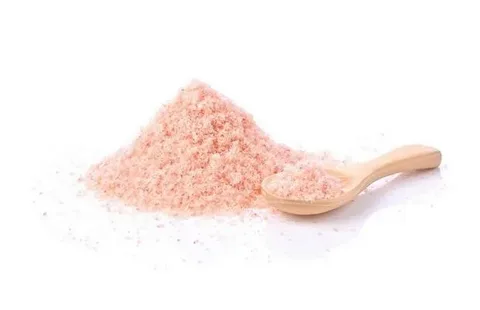
Pink salt has evolved from a regional mineral product into a globally recognized commodity. Valued for its natural origin, trace mineral content, and attractive color, it is widely used in households, restaurants, spas, and decorative industries. The pink salt price in the international market is shaped by a complex mix of production capacity, export policies, global demand, logistics, and branding strategies. As consumer preferences shift toward natural and minimally processed products, this mineral continues to gain prominence across continents.
Global Supply and Major Exporting Source
A significant portion of the world’s pink salt supply originates from mines in Pakistan. The well-known Khewra Salt Mine is one of the largest and oldest sources, producing vast quantities annually. Because of this strong supply base, Pakistan plays a central role in determining availability in global markets.
International pricing begins with the export cost set by producers. Mining expenses, labor wages, equipment maintenance, and local transportation contribute to the base export rate. Since production volumes are high, exporters can often offer competitive prices compared to alternative mineral salts. However, global buyers must also account for freight charges, import duties, and currency exchange rates.
Demand Trends Across Regions
Consumer demand significantly impacts the pink salt price in international market transactions. In North America and Europe, health-conscious consumers prefer natural salt alternatives over heavily refined table salt. Gourmet chefs and organic food brands also promote pink salt for its flavor profile and aesthetic appeal.
In the Middle East and parts of Asia, pink salt is valued for both culinary and cultural uses. Decorative salt lamps and wellness products are particularly popular in retail markets. As these regions increase imports, global demand strengthens, influencing overall pricing trends.
Seasonal consumption patterns also play a role. For example, during holiday seasons, decorative and gift-related products may see higher demand, affecting wholesale and retail rates internationally. Commercial contracts for food manufacturing can further increase bulk purchase volumes at certain times of the year.
Shipping Costs and Trade Logistics
Transportation is a major factor in shaping global pricing. International freight rates fluctuate depending on fuel prices, container availability, and global trade conditions. When shipping costs rise, importers must pay higher landed costs, which can increase retail prices in their respective markets.
Port congestion and global supply chain disruptions may temporarily influence availability and pricing. If international logistics become challenging, buyers might experience delayed shipments or higher costs. Conversely, when freight rates stabilize or decrease, the pink salt price in international market environments may become more competitive.
Customs duties and import regulations also differ by country. Some nations impose tariffs or require strict food safety certifications, adding to the final product cost. Compliance with these regulations often involves additional testing and documentation expenses.
Quality Standards and Product Variations
Quality consistency is crucial in international trade. Buyers typically request specific grain sizes, purity levels, and packaging standards. High-grade edible pink salt with uniform color and texture usually commands a higher price compared to lower-grade industrial varieties.
Beyond culinary use, pink salt is sold globally in various forms, including fine powder, coarse crystals, cooking slabs, bath salts, and decorative lamps. Each form carries a different price range depending on processing and craftsmanship. Value-added products like carved salt lamps often have significantly higher international retail prices due to shaping, polishing, electrical components, and branding.
Packaging also affects cost. Premium retail packaging designed for supermarkets in developed countries adds to production expenses. Branded products marketed as organic or gourmet may achieve higher price points due to consumer perception and marketing strategies.
Currency Exchange and Economic Conditions
Exchange rate fluctuations have a direct impact on global pricing. Since pink salt exports are often traded in major currencies such as the US dollar, changes in currency value can alter profit margins for exporters and importers alike. A weaker exporting country currency can make products more affordable internationally, potentially increasing demand.
Global economic conditions also influence consumer spending behavior. During periods of economic stability, demand for premium and specialty food items tends to rise. In contrast, economic downturns may shift consumer focus toward more affordable alternatives, slightly affecting premium salt sales.
Trade agreements between countries can further shape pricing. Favorable agreements may reduce tariffs and facilitate smoother import processes, making pink salt more competitively priced in certain regions.
Competitive Landscape in Global Markets
Although Pakistan remains the dominant source, other countries have entered the specialty salt market with alternative mineral salts. This competition encourages exporters to maintain quality and competitive pricing. Branding, storytelling about origin, and sustainable mining practices have become important marketing tools in international markets.
Retailers often differentiate products based on origin, purity claims, and packaging aesthetics. These branding elements can significantly increase the final retail price, even if the base export cost remains moderate. Therefore, the pink salt price in international market settings often reflects both commodity value and brand positioning.
Future Outlook of Global Pricing
The future of pink salt in global trade appears promising. Growing awareness about natural ingredients and minimally processed foods supports steady demand. Expansion into emerging markets and increased online retail distribution are likely to sustain international sales growth.
Technological advancements in mining and packaging may help control production costs, while improved logistics networks could stabilize freight expenses. However, global economic trends and energy prices will continue to influence transportation costs and final market pricing.
In conclusion, the pink salt price in international market conditions is determined by multiple interconnected factors, including production costs, shipping expenses, quality standards, currency exchange rates, and global demand patterns. As long as consumer interest in natural and specialty food products remains strong, pink salt is expected to maintain its value and competitive presence across worldwide markets.

 English
 Arabic
 French
 Spanish
 Portuguese
 Deutsch
 Turkish
 Dutch
Dutch
 Italiano
 Romaian
 Portuguese (Brazil)
 Greek
Greek
