


Engine Solutions: Modern Innovations for Performance, Efficiency, and Reliability
Introduction
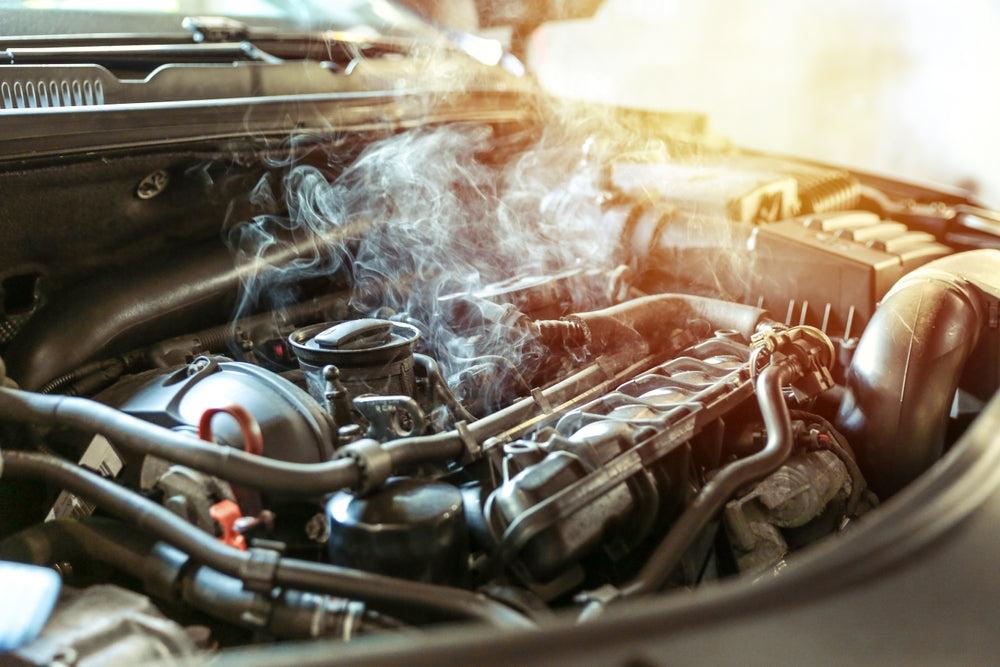
Engines are the driving force behind modern transportation, industrial machinery, and power generation systems. From passenger vehicles and commercial trucks to construction equipment and generators, engines play a critical role in keeping industries and economies moving. However, as technology evolves and environmental concerns increase, traditional engine systems face new challenges related to efficiency, emissions, durability, and maintenance. This is where engine solutions come into play.
Engine solutions refer to a combination of technologies, services, diagnostics, upgrades, and maintenance strategies designed to improve engine performance, extend lifespan, and reduce operational costs. Modern engine solutions focus not only on fixing problems but also on preventing failures and optimizing performance through intelligent engineering and innovation.
Understanding Engine Solutions
Engine solutions encompass a wide range of services and technologies aimed at enhancing engine functionality. These solutions address mechanical, electronic, and environmental aspects of engine operation.
They typically include:
-
Engine diagnostics and troubleshooting
-
Performance optimization
-
Fuel efficiency improvements
-
Emission control systems
-
Engine rebuilding and remanufacturing
-
Preventive maintenance programs
Instead of replacing entire engines when problems arise, modern solutions aim to repair, upgrade, and optimize existing systems, making operations more cost-effective and sustainable.
Importance of Engine Solutions in Modern Industries
Today’s industries rely heavily on machinery operating continuously under demanding conditions. Engine downtime can lead to financial losses, delayed operations, and reduced productivity. Engine solutions help businesses avoid these issues by ensuring consistent performance and reliability.
Key benefits include:
-
Reduced maintenance costs
-
Improved engine lifespan
-
Enhanced fuel economy
-
Lower emissions and environmental impact
-
Increased operational efficiency
For fleet operators and industrial businesses, adopting effective engine solutions can significantly improve profitability while maintaining compliance with environmental regulations.
Advanced Engine Diagnostics
One of the most important components of modern engine solutions is advanced diagnostics. Modern engines are controlled by electronic control units (ECUs) that monitor performance in real time.
Diagnostic tools analyze data such as:
-
Fuel injection timing
-
Air-to-fuel ratio
-
Engine temperature
-
Sensor performance
-
Exhaust emissions
By identifying issues early, technicians can prevent minor problems from turning into major mechanical failures. Computerized diagnostics also reduce repair time, allowing faster and more accurate servicing.
Engine Performance Optimization
Performance optimization focuses on improving power output while maintaining reliability and efficiency. Engineers achieve this through adjustments and upgrades tailored to specific applications.
Common optimization methods include:
ECU Remapping
Reprogramming engine software improves fuel delivery and ignition timing, resulting in better acceleration and smoother operation.
Turbocharger Enhancement
Upgraded turbo systems increase airflow into the engine, boosting power without significantly increasing fuel consumption.
Air Intake and Exhaust Improvements
Enhanced airflow systems allow engines to breathe more efficiently, improving combustion performance.
Performance optimization is particularly valuable for commercial vehicles and heavy machinery that require maximum output under heavy loads.
Fuel Efficiency Solutions
Rising fuel costs make efficiency a top priority for engine owners. Engine solutions help reduce fuel consumption without compromising performance.
Some efficiency strategies include:
-
Precision fuel injection systems
-
Improved combustion chamber design
-
Low-friction engine components
-
Smart engine management software
Efficient engines not only save money but also reduce carbon emissions, making them environmentally responsible choices.
Emission Control and Environmental Compliance
Environmental regulations worldwide are becoming stricter, pushing manufacturers and operators to adopt cleaner engine technologies. Engine solutions now focus heavily on reducing harmful emissions.
Key emission control technologies include:
-
Exhaust Gas Recirculation (EGR) systems
-
Diesel Particulate Filters (DPF)
-
Selective Catalytic Reduction (SCR) systems
-
Advanced catalytic converters
These technologies reduce pollutants such as nitrogen oxides and particulate matter, helping engines meet global environmental standards while maintaining performance.
Engine Repair, Rebuilding, and Remanufacturing
When engines suffer significant wear or damage, replacement is not always the best option. Engine rebuilding and remanufacturing provide cost-effective alternatives.
Engine Rebuilding
This process involves disassembling the engine, repairing damaged components, and replacing worn parts such as pistons, bearings, and seals.
Engine Remanufacturing
Remanufactured engines are restored to factory-level performance using advanced machining and quality testing procedures.
These solutions extend engine life while costing significantly less than purchasing new equipment.
Preventive Maintenance Strategies
Preventive maintenance is a core element of successful engine solutions. Instead of waiting for failures, regular servicing ensures engines operate smoothly over time.
Preventive maintenance includes:
-
Regular oil and filter changes
-
Cooling system inspections
-
Fuel system cleaning
-
Belt and timing checks
-
Sensor calibration
Scheduled maintenance reduces unexpected breakdowns and improves long-term reliability. Businesses that implement maintenance programs often experience fewer operational disruptions.
Role of Technology and Automation
Technology has transformed engine solutions dramatically. Modern engines are increasingly integrated with digital monitoring systems and automation tools.
Innovations include:
-
Predictive maintenance using data analytics
-
Internet of Things (IoT) engine monitoring
-
Remote diagnostics
-
Artificial intelligence-based performance analysis
These technologies allow operators to monitor engine health in real time and receive alerts before failures occur, minimizing downtime and repair expenses.
Engine Solutions for Different Applications
Engine solutions vary depending on the type of engine and its application.
Automotive Sector
Passenger vehicles benefit from fuel optimization, emission reduction, and improved driving performance.
Commercial Transportation
Truck fleets require durability improvements, fuel savings, and maintenance efficiency.
Industrial Machinery
Construction and agricultural equipment rely on heavy-duty engine upgrades for long operational hours.
Power Generation
Generators require stable performance and efficient fuel consumption to ensure uninterrupted electricity supply.
Each application demands customized solutions based on workload and environmental conditions.
Challenges in Engine Management
Despite technological advancements, engines still face several challenges:
-
Increasing environmental regulations
-
Rising fuel prices
-
Complex electronic systems
-
High repair costs for modern engines
Engine solution providers must continuously innovate to address these issues while maintaining affordability and reliability.
Future Trends in Engine Solutions
The future of engine solutions is shaped by sustainability and digital transformation. Emerging trends include:
-
Hybrid engine optimization systems
-
Alternative fuel compatibility (biofuels and hydrogen)
-
AI-driven diagnostics
-
Lightweight engine materials
-
Electrification support technologies
Although electric vehicles are gaining popularity, combustion engines will continue to operate globally for decades, making advanced engine solutions essential.
Conclusion
Engine solutions represent the evolution of engine management from simple repair practices to intelligent performance optimization systems. By combining advanced diagnostics, preventive maintenance, fuel efficiency strategies, and emission control technologies, modern engine solutions ensure engines operate efficiently, reliably, and sustainably.
Whether in automotive, industrial, or power generation sectors, effective engine solutions reduce operational costs, extend equipment lifespan, and support environmental responsibility. As technology continues to advance, engine solutions will become even more data-driven and innovative, helping industries meet future performance and sustainability demands.
For more information.

 English
 Arabic
 French
 Spanish
 Portuguese
 Deutsch
 Turkish
 Dutch
Dutch
 Italiano
 Russian
 Portuguese (Brazil)
 Greek
Greek
