


Sustainability in Eye Makeup: What Ethical Buyers Should Look For
The beauty industry generates over 120 billion units of packaging annually, with eye makeup products contributing significantly to environmental waste. According to Zero Waste Week research, cosmetics packaging represents one of the fastest-growing waste streams globally. Ethical consumers seeking cruelty-free eyeliner and sustainable eye makeup must evaluate multiple factors beyond animal testing policies, including packaging materials, ingredient sourcing, manufacturing practices, and supply chain transparency.
Sustainability in eye makeup encompasses environmental impact, animal welfare, and social responsibility throughout the entire product lifecycle. Understanding key certifications, recognizing greenwashing tactics, and identifying genuinely ethical brands allows consumers to align purchasing decisions with personal values while supporting companies driving positive industry change.
The Distinction Between Cruelty-Free and Vegan
These terms represent different ethical standards that often create consumer confusion. Cruelty-free certification confirms no animal testing occurred during product development or ingredient sourcing. Vegan certification indicates products contain no animal-derived ingredients, including beeswax, carmine, lanolin, or keratin.
Products can be cruelty-free without being vegan, or vegan without being cruelty-free. Ethical consumers prioritizing both animal welfare and ingredient origin should seek products carrying both characteristics. Reading ingredient lists carefully prevents assumptions based solely on cruelty-free claims.
Sustainable Packaging Solutions
Packaging represents the most visible environmental impact of eye makeup products, with material choices determining recyclability, biodegradability, and overall ecological footprint.
Sustainable Packaging Materials:
Glass provides indefinitely recyclable containers that maintain product integrity without leaching chemicals. Frosted or colored glass protects light-sensitive formulations while offering premium aesthetic appeal. The primary drawback involves weight, increasing shipping emissions,s and breakage risk.
Aluminum offers lightweight, infinitely recyclable packaging suitable for pencil eyeliners and compact containers. This material recycles without quality degradation, making it environmentally superior to most plastics. Aluminum production requires significant energy, though recycling reduces this impact by 95%.
Post-Consumer Recycled (PCR) Plastic incorporates previously used plastic into new packaging, reducing virgin plastic demand. While still plastic, PCR materials demonstrate commitment to circular economy principles. Consumers should verify recycling symbols and local acceptance before disposal.
Bamboo and other rapidly renewable materials provide biodegradable alternatives for product housing. Bamboo grows quickly without pesticides or extensive water requirements, making it environmentally preferable to conventional wood or plastic. These materials work well for palettes and pencil housings.
Refillable Systems represent the most impactful packaging innovation, reducing waste by 70-80% compared to single-use products. Consumers purchase a permanent compact or case, then replace product pans or cartridges as needed. This approach minimizes packaging while maintaining product hygiene and performance.
The Problem With Conventional Plastic Packaging
Traditional plastic cosmetic containers create persistent environmental pollution. Most eye makeup packaging uses mixed plastics or small component sizes that recycling facilities cannot process effectively. These materials accumulate in landfills and oceans, taking centuries to degrade while releasing microplastics into ecosystems.
Black plastic packaging, common in cosmetics for aesthetic reasons, proves particularly problematic. Recycling scanners cannot detect black pigment, sending these items to landfills despite their technical recyclability. Ethical brands increasingly avoid black plastic or clearly mark alternatives for proper disposal.
Ingredient Sourcing and Supply Chain Ethics
Sustainable eye makeup extends beyond product formulation to encompass how and where brands source raw materials. Ethical ingredient procurement considers environmental impact, labor conditions, and community effects.
Ethical Sourcing Priorities:
Fair Trade Certification ensures ingredient suppliers receive fair compensation and work under safe conditions. This certification particularly matters for botanical ingredients like shea butter, coconut oil, and essential oils, where supply chains often exploit vulnerable agricultural communities.
Organic Certification verifies ingredients grown without synthetic pesticides, herbicides, or genetically modified organisms. Organic farming practices protect soil health, water quality, and biodiversity while reducing chemical exposure for agricultural workers. However, organic certification focuses on farming methods rather than broader sustainability or ethical labor practices.
Sustainable Harvesting prevents ingredient collection from damaging ecosystems or depleting natural resources. Mica, commonly used for shimmer in eye makeup, presents particular ethical concerns due to illegal mining operations employing child labor. Responsible brands source synthetic mica or verify ethical mining practices through supply chain audits.
Local Sourcing reduces transportation emissions while supporting regional economies. Brands prioritizing ingredients from nearby sources demonstrate commitment to minimizing carbon footprint beyond basic product formulation.
The Mica Mining Crisis
Natural mica creates the shimmer effect in eyeshadows, highlighters, and many eyeliners. However, according to investigative research, significant portions of the global mica supply originate from illegal mines in India and Madagascar employing children under dangerous conditions.
Ethical makeup brands address this crisis through several approaches: sourcing mica from verified ethical suppliers with transparent supply chains, using synthetic mica alternatives that eliminate mining concerns entirely, or pursuing certification through the Responsible Mica Initiative, ensuring fair labor practices. Consumers should specifically question mica sourcing when evaluating eye makeup ethics.
Manufacturing and Production Ethics
Where and how brands manufacture products impacts sustainability as significantly as ingredient and packaging choices.
Sustainable Manufacturing Practices:
Renewable Energy powers production facilities with wind, solar, or hydroelectric sources, dramatically reducing carbon emissions associated with manufacturing. Forward-thinking brands publicize renewable energy commitments and publish annual sustainability reports detailing energy sources.
Water Conservation implements closed-loop systems, minimizing water consumption during production. Cosmetic manufacturing traditionally requires substantial water resources, making conservation efforts environmentally critical.
Waste Reduction establishes zero-waste-to-landfill goals through comprehensive recycling, composting organic materials, and repurposing production byproducts. Brands achieving these targets demonstrate holistic sustainability commitment beyond consumer-facing packaging.
Local Manufacturing reduces shipping emissions while supporting domestic employment. Products manufactured near their primary markets minimize transportation environmental impact, though ingredient sourcing location also factors into overall footprint calculations.
Worker Welfare ensures safe working conditions, fair wages, and reasonable hours for production employees. Some certifications, including B Corporation status, verify comprehensive ethical standards encompassing worker treatment alongside environmental practices.
Recognizing Greenwashing in Eye Makeup
Increased consumer demand for sustainable products created opportunities for misleading marketing. Understanding greenwashing tactics helps distinguish genuinely ethical brands from those using sustainability as a marketing strategy without substantive commitment.
Common Greenwashing Red Flags:
Vague Environmental Claims use terms like "eco-friendly," "natural," or "green" without specific, verifiable details. These descriptors lack regulatory definitions, allowing brands to apply them without meeting particular standards.
Cherry-Picking Single Attributes highlights one sustainable aspect while ignoring problematic practices elsewhere. Brands may emphasize recyclable packaging while sourcing ingredients unethically, or tout cruelty-free status while using excessive plastic packaging.
Misleading Imagery employs leaves, earth tones, and nature photography, suggesting environmental consciousness without corresponding practices. Visual branding creates a sustainability impression contradicted by actual ingredient sourcing or manufacturing methods.
Irrelevant Claims advertises the absence of ingredients that the product type never contains. Proclaiming "paraben-free" eyeliner when eyeliner formulations rarely include parabens misleads consumers into perceiving special environmental consideration.
Hidden Trade-Offs promotes the environmentally friendly aspect while downplaying significant negative impacts. Biodegradable packaging means little if ingredient sourcing destroys ecosystems or manufacturing practices generate excessive emissions.
Verifying Authentic Sustainability
Genuine sustainability commitment is demonstrated through third-party certifications, detailed transparency reports, supply chain documentation, and willingness to acknowledge shortcomings. Brands authentically pursuing sustainability publish annual reports detailing progress, setbacks, and ongoing challenges rather than presenting perfection.
Consumers can verify claims by researching certifications on issuing organization websites, reading detailed ingredient sourcing information on brand websites, examining sustainability reports for specific metrics rather than vague promises, and noting whether brands address the full product lifecycle, including disposal.
Carbon Footprint and Climate Impact
Eye makeup's climate impact extends beyond packaging to encompass ingredient production, manufacturing energy, transportation emissions, and end-of-life disposal.
Reducing Carbon Footprint:
Brands committed to climate action pursue carbon neutrality through emissions reduction and offset programs. This involves calculating total carbon footprint across operations, implementing reduction strategies including renewable energy and local sourcing, and offsetting remaining emissions through verified environmental projects.
Some progressive brands pursue a carbon-negative status, removing more carbon from the atmosphere than their operations produce. This ambitious goal requires extensive renewable energy use, significant carbon offset investments, and innovative packaging materials that sequester carbon.
Consumer Impact:
Individual purchasing choices affect industry-wide practices. Supporting brands with verified sustainability commitments signals market demand, encouraging broader industry adoption. Conversely, purchases from companies engaging in greenwashing or ignoring sustainability concerns perpetuate harmful practices.
Consumers maximize positive impact by researching before purchasing, supporting brands with comprehensive sustainability programs rather than single eco-friendly attributes, communicating sustainability priorities to favorite brands through feedback channels, and properly disposing of products and packaging according to local recycling capabilities.
Finding Truly Sustainable Eye Makeup
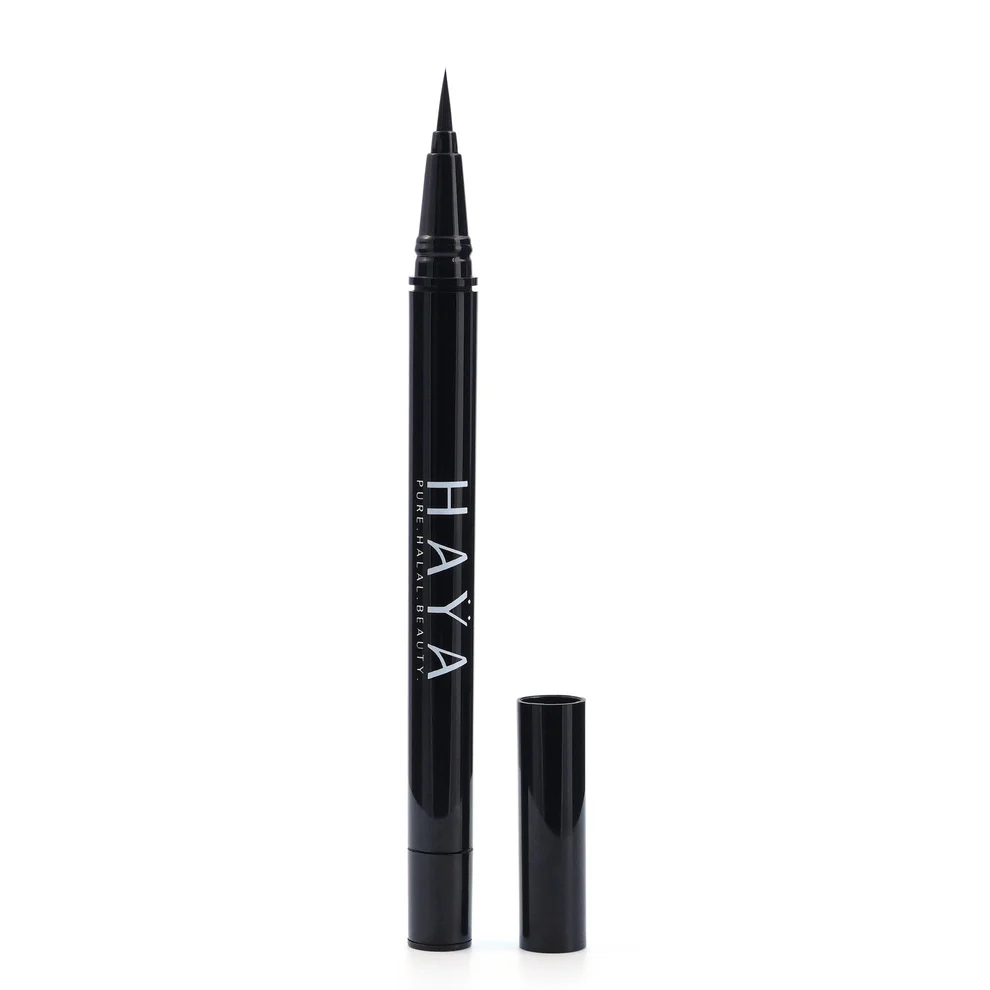
Identifying ethical makeup requires evaluating multiple factors simultaneously rather than relying on single certifications or claims. Haya Beauty demonstrates commitment to sustainability through cruelty-free eyeliner formulations, transparent ingredient sourcing, and packaging choices minimizing environmental impact.
Their approach to ethical makeup encompasses comprehensive consideration of ingredient origins, manufacturing practices, and end-of-life disposal. By prioritizing third-party certifications over marketing claims, Haya Beauty provides consumers with verifiable assurance that their purchases align with stated values.
For individuals seeking eye makeup products that genuinely support environmental and ethical standards, Haya Beauty offers options combining performance with principle. Their dedication to transparency allows consumers to make informed decisions based on documented practices rather than aspirational marketing language.
Frequently Asked Questions
Does cruelty-free certification guarantee vegan formulation?
No. Cruelty-free means no animal testing, while vegan means no animal-derived ingredients. Products can be cruelty-free but contain beeswax, carmine, or other animal ingredients.
Are natural eye makeup products automatically more sustainable?
Not necessarily. Natural ingredients may require more resources to produce or source unsustainably. Synthetic ingredients can be more environmentally efficient when properly formulated.
How can consumers verify sustainability claims?
Check for third-party certifications on organization websites, read detailed brand sustainability reports, research ingredient sourcing transparency, and note whether brands acknowledge challenges alongside achievements.
What is the most sustainable packaging option for eye makeup?
Refillable systems offer maximum waste reduction. When refills aren't available, glass and aluminum containers recycled through proper channels provide better sustainability than conventional plastic.
Do small indie brands practice better sustainability than large corporations?
Not automatically. While small brands may have shorter supply chains, large corporations often have resources for comprehensive sustainability programs. Evaluate each brand individually, regardless of size.
How does mica sourcing affect eye makeup ethics?
Much natural mica comes from mines using child labor. Ethical brands source verified ethical mica or use synthetic alternatives. Consumers should specifically question mica sourcing when purchasing shimmer products.

 English
 Arabic
 French
 Spanish
 Portuguese
 Deutsch
 Turkish
 Dutch
Dutch
 Italiano
 Russian
 Portuguese (Brazil)
 Greek
Greek
