


Fire Risk Assessment in London – Complete 2026 Guide for Businesses & Landlords
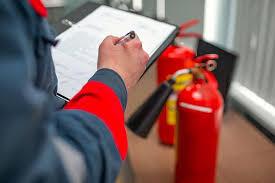
Fire safety is a legal and moral responsibility for every property owner in London. Whether you manage a commercial building, rental property, office, warehouse, restaurant, or block of flats, conducting a professional fire risk assessment is essential. It not only ensures compliance with UK fire safety laws but also protects lives, property, and businesses from devastating losses.
This comprehensive guide explains what a fire risk assessment is, why it is required, who needs it, legal responsibilities, costs, and how to stay compliant in 2026.
What is a Fire Risk Assessment?
A fire risk assessment is a structured Fire Risk Assessment in London review of a building to identify fire hazards, evaluate risks, and implement safety measures to reduce the likelihood of fire and protect occupants.
It includes:
-
Identifying potential fire hazards
-
Identifying people at risk
-
Evaluating and reducing risks
-
Recording findings
-
Reviewing and updating regularly
The goal is prevention and safe evacuation in case of emergency.
Legal Requirements in London
Fire safety in London is governed by the Regulatory Reform (Fire Safety) Order 2005. This law applies to almost all non-domestic premises in England and Wales.
Under this law:
-
A “Responsible Person” must carry out a fire risk assessment.
-
The assessment must be documented if five or more people are employed.
-
Fire safety measures must be maintained and regularly reviewed.
The Responsible Person can be:
-
Employer
-
Landlord
-
Building owner
-
Managing agent
Failure to comply can lead to fines, prosecution, or imprisonment.
Who Needs a Fire Risk Assessment?
In London, a fire risk assessment is required for:
-
Offices
-
Shops and retail units
-
Restaurants and cafes
-
Warehouses
-
Schools and nurseries
-
Hotels and guest houses
-
Blocks of flats (communal areas)
-
Industrial units
Even small businesses operating from shared buildings must ensure compliance.
Why Fire Risk Assessments Are Important?
1. Protect Lives
The primary objective is to safeguard employees, tenants, and visitors.
2. Legal Compliance
Avoid legal penalties and enforcement action.
3. Insurance Requirement
Many insurance companies require proof of a valid fire risk assessment.
4. Business Continuity
Preventing fire reduces risk of business closure and financial loss.
5. Peace of Mind
Knowing your property meets safety standards builds trust with staff and customers.
The 5 Key Steps of a Fire Risk Assessment
Professional fire risk assessors follow a structured approach:
Step 1: Identify Fire Hazards
Common hazards include:
-
Faulty electrical systems
-
Flammable materials
-
Cooking equipment
-
Heating appliances
-
Poor storage practices
Step 2: Identify People at Risk
Consider:
-
Employees
-
Customers
-
Elderly residents
-
Disabled individuals
-
Night staff
Step 3: Evaluate and Reduce Risks
This may involve:
-
Installing fire alarms
-
Improving emergency lighting
-
Adding fire extinguishers
-
Clearing escape routes
Step 4: Record Findings
A written report includes identified hazards, risk level, and recommendations.
Step 5: Review Regularly
Assessments must be reviewed annually or after major changes like renovations.
How Often Should It Be Updated?
You should review your fire risk assessment:
-
Every 12 months
-
After structural changes
-
After a fire incident
-
If occupancy changes
-
If business activities change
Regular reviews ensure continued compliance.
Cost of Fire Risk Assessment in London (2026)
The cost depends on:
-
Property size
-
Building complexity
-
Risk level
-
Type of business
Small offices may pay a lower fee, while larger commercial buildings require more detailed inspections. Although costs vary, investing in professional assessment is far cheaper than facing penalties or fire damage.
Common Fire Safety Improvements Recommended
After inspection, assessors often recommend:
-
Upgrading fire alarm systems
-
Installing emergency lighting
-
Servicing fire extinguishers
-
Improving signage
-
Staff fire safety training
-
Creating evacuation plans
Implementing these measures significantly reduces risk.
Penalties for Non-Compliance
The London Fire Brigade actively enforces fire safety regulations. Non-compliance can result in:
-
Heavy fines
-
Enforcement notices
-
Prohibition notices (closing premises)
-
Criminal prosecution
Serious breaches can lead to unlimited fines or imprisonment.
Choosing a Professional Fire Risk Assessor
When hiring a fire risk assessor in London, ensure they:
-
Have recognised fire safety qualifications
-
Carry professional indemnity insurance
-
Provide detailed written reports
-
Offer practical recommendations
-
Have experience in your industry
Working with qualified professionals ensures legal compliance and quality service.
Fire Risk Assessment for Landlords
Landlords in London must assess communal areas of:
-
Blocks of flats
-
HMOs (Houses in Multiple Occupation)
-
Shared buildings
They must ensure:
-
Clear escape routes
-
Fire doors in good condition
-
Functional alarms
-
Emergency lighting
Tenant safety is a legal responsibility.
Fire Risk Assessment for Small Businesses
Even small offices or shops must comply with fire safety laws. Simple steps like maintaining extinguishers, checking electrical wiring, and training staff can make a major difference.
Small businesses should never ignore legal fire safety duties.
Future of Fire Safety in London
With increased awareness and stricter enforcement, fire safety standards continue to improve. Modern technology like smart fire alarm systems and digital risk assessment records are becoming more common in London properties.
Proactive safety management is the best way to avoid legal trouble and protect lives. A fire risk assessment in London is not just a legal requirement—it is a critical step in protecting lives, property, and businesses. Under the Regulatory Reform (Fire Safety) Order 2005, every responsible person must ensure proper fire safety measures are in place.
Regular inspections, professional assessments, and prompt corrective actions help maintain compliance and prevent devastating consequences. Whether you are a landlord, shop owner, or business operator, investing in fire safety today protects your future tomorrow.
5 Short FAQs
1. Is fire risk assessment mandatory in London?
Yes, it is legally required for all non-domestic premises.
2. Who is responsible for arranging it?
The employer, landlord, or building owner is the Responsible Person.
3. How often should it be reviewed?
At least once a year or after major changes.
4. What happens if I don’t comply?
You may face fines, prosecution, or closure of your premises.
5. Can I do it myself?
Small low-risk businesses can, but hiring a qualified professional is strongly recommended.

 English
 Arabic
 French
 Spanish
 Portuguese
 Turkish
 Dutch
Dutch
 Italiano
 Russian
 Romaian
 Portuguese (Brazil)
 Greek
Greek
